Japan has deployed soldiers and snow-clearing equipment to tackle severe winter storms that have caused fatalities, injuries, and widespread transport disruption across northern regions.
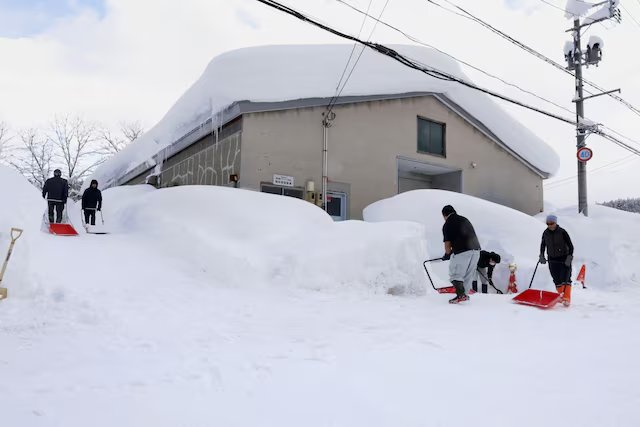
Winter storms of unusual intensity have disrupted life across parts of Japan. Beginning on January 20, such weather has led to at least 30 deaths, alongside over 100 serious injuries, mainly in northern and western areas. Because of relentless snow accumulation, travel networks face severe delays. Several major airports were temporarily shut down. The severe weather could affect voter turnout in Sunday’s general election.
In Aomori city, snowfall has reached nearly two metres deep. This situation disrupts essential local operations. Assistance arrives through the deployment of the national Self-Defence Forces. Their role supports snow clearance in severely affected zones. Municipal teams remain active, managing roadways and shared spaces. Help combines military aid alongside ongoing civic effort.
One thousand snow-clearing machines now move across Sapporo’s streets, where roads stretch nearly 3,800 kilometres under thick winter cover. Mobility returns slowly after authorities blocked major routes due to blizzards blanketing Hokkaido. Transport hubs stay shut, not yet ready for public use following heavy accumulations overnight. Movement remains difficult despite efforts underway since the early morning hours began clearing operations. Disruption spreads through surrounding areas because connections by rail and bus still face suspension today.
Severe weather disrupts transport and services
Last week, New Chitose Airport in Sapporo shut down briefly due to heavy snow, leaving many travelers unable to proceed. Because of the weather, train operations faced stoppages or disruptions throughout the impacted regions. Meanwhile, certain roads stay inaccessible as teams remove snow to allow safe passage.
Over one hundred severe injuries tied to winter conditions appear in official reports from national emergency teams. Clearing heavy rooftop accumulations has led some individuals into dangerous situations. Driveway shoveling accounts for a portion of these harmful events. Falls during such efforts make up several of the recorded fatalities. Physical strain from removing frozen precipitation links directly to multiple fatal outcomes.
Frozen ground now deepens risks across roads and walkways, as authorities highlight hazards tied to subzero weather paired with slick patches. Water from thawing drifts may weaken structures while making travel risky during the coming period. Emergency teams face added pressure due to persistent cold alongside fresh layers of snowfall.
Social and Political Outcomes
With severe winter weather unfolding, a national vote approaches during midseason - occurring near such conditions for the first time in decades past. Forecast models suggest remote regions will face the strongest effects, where snow or ice might block travel routes. Because of this, reaching voting locations could become challenging, particularly in mountainous districts. In those areas, fewer citizens may cast ballots compared to usual patterns. The timing adds complexity, as electoral participation often depends on ease of movement across terrain normally passable.
Unusually high snowfall amounts mark this winter compared to earlier ones, triggering concerns over how ready Japan is for natural disruptions. Infrastructure across certain areas now faces scrutiny due to these shifting weather patterns.
Despite ongoing challenges, monitoring efforts remain active across regions impacted by severe weather. Coordination now takes place among federal units alongside regional teams delivering support where needed. Public safety continues under close attention during debris removal work already underway. Persistent storms appear probable according to current projections shaping response timelines.
What's Your Reaction?