Lindt & Sprüngli shifts to 100% Rainforest Alliance Certified cocoa, strengthening sustainable sourcing practices.
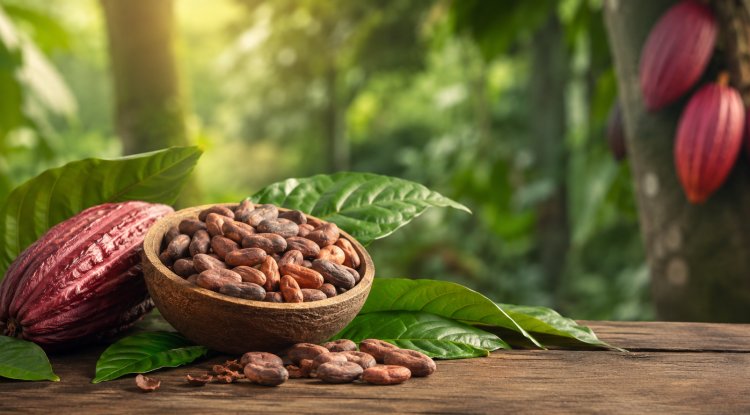
Swiss chocolate maker Lindt & Sprüngli has announced that all its cocoa will now come from Rainforest Alliance Certified sources under the company’s Farming Program. This is an important step in its approach to sustainable cocoa production. It brings the company’s cocoa supply chain into a recognized certification system and improves oversight of environmental, social, and economic practices in cocoa-growing areas. This development is particularly relevant as issues like cocoa sustainability, certified cocoa sourcing, Rainforest Alliance certification, cocoa traceability, and sustainable agriculture grow in importance for investors, regulators, and consumers worldwide.
The transition will apply to all cocoa sourced by Lindt & Sprüngli starting in 2026. It aligns the company’s purchasing system with the Rainforest Alliance’s Sustainable Agriculture Standard. This framework promotes responsible farming and supports farmers' livelihoods and environmental protection. As scrutiny of global agricultural supply chains increases, the company’s choice reflects rising expectations regarding cocoa sustainability and sourcing in the food and beverage sector.
Certification Framework Strengthens Supply Chain Oversight
Lindt & Sprüngli states that this milestone marks a major step forward in its sustainability strategy. By sourcing all cocoa as Rainforest Alliance Certified, the company aims to improve transparency and accountability throughout its cocoa supply chain.
The Rainforest Alliance runs a global certification program based on its Sustainable Agriculture Standard. This establishes requirements for farmers and supply chain participants. Farmers must follow standards covering environmental management, working conditions, and responsible farming practices to gain certification. The organization also offers training and technical support to help farmers meet these standards and improve long-term productivity.
Certification has become vital for the cocoa sector as companies face pressure to tackle issues such as deforestation, biodiversity loss, child labor, and low farmer incomes. While certification alone doesn’t solve these problems, it provides a system for monitoring performance and encouraging continuous improvement at the farm level.
The certification standard includes requirements for ecosystem conservation, pest management, labor conditions, and responsible land use. These factors are now essential for investors and regulators, who focus more on sustainable sourcing practices.
Existing Sustainability Programs to Continue
Lindt & Sprüngli stated that adopting Rainforest Alliance certification will complement its existing sustainability efforts. The company plans to continue programs under its Farming Program that go beyond the certification requirements.
These programs include projects focused on agroforestry, forest conservation, ecosystem restoration, and community development. The company also aims to maintain support for cocoa farmers through income-related initiatives and agricultural training.
One key initiative is the Living Income Pilot Program. This program helps participating farmers close the gap between their current earnings and a living income. It aims to improve economic resilience in cocoa-producing communities while promoting sustainable farming practices.
Industry observers increasingly see living income as an important indicator of sustainability. Farmers with stable and adequate incomes are generally better positioned to invest in improvements, adopt climate-resilient practices, and manage risks from crop diseases and market changes.
As climate challenges continue to impact cocoa-growing regions, initiatives that enhance farmer livelihoods are crucial for long-term supply chain resilience. Addressing economic conditions at the farm level is becoming more linked to securing future agricultural supplies for food companies.
Rainforest Alliance Seal to Appear on Packaging
As part of this transition, Lindt & Sprüngli will gradually introduce the Rainforest Alliance seal on qualifying products in its lineup. The company said the rollout will take place over time and mainly affect permanent product lines where packaging allows.
However, the certification mark may not appear on every item. The company noted that packaging constraints might limit the seal's use on seasonal products and individually wrapped items where space is limited.
This phased introduction aims to give consumers a clear sign that the cocoa in applicable products is sourced through the Rainforest Alliance certification framework. This move also reflects the increasing importance of clear sustainability communication in consumer-driven industries.
As companies make sustainability claims, stakeholders are paying more attention to how they present and verify certification information. Clear labeling and accurate communication have become vital parts of corporate sustainability strategies.
Growing Importance of Responsible Cocoa Sourcing
This announcement comes when cocoa supply chains face increased scrutiny from governments, investors, and advocacy groups. Regulatory changes in various markets are emphasizing due diligence and supply chain transparency, especially for commodities linked to environmental and social risks.
For investors, certification can indicate how well companies manage supply chain risks. However, stakeholders are now more interested in measurable outcomes beyond certification status. These include improvements in farmers' livelihoods, efforts to protect forests, and initiatives for environmental restoration.
The cocoa industry still faces challenges related to climate change, land degradation, and socioeconomic issues in producing regions. Companies are expected not just to demonstrate responsible sourcing but also to show long-term impact.
Focus Shifts to Measurable Outcomes
Lindt & Sprüngli’s move to 100% Rainforest Alliance Certified cocoa represents a significant step in its sustainability efforts and positions its cocoa sourcing within a recognized global certification system. This shift enhances the company’s ability to manage environmental and social risks while promoting greater transparency in its supply chain.
As certification becomes more integrated into corporate sustainability strategies, the focus will now be on how effectively the company delivers measurable results through its farmer support programs, forest conservation initiatives, and efforts to improve income. For stakeholders in the food industry, this announcement underscores the growing importance of certified sourcing in balancing business goals with environmental and social responsibilities.
What's Your Reaction?