Syntetica secures $30M to scale nylon recycling technology and expand circular textile production.
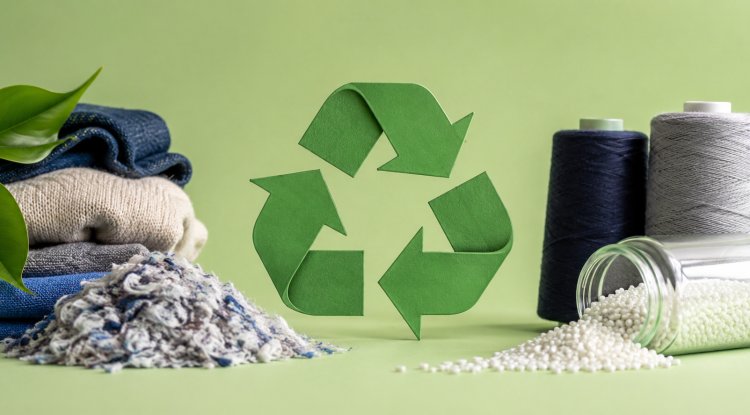
Lululemon, Syntetica, nylon recycling, textile recycling, circular economy are gaining greater attention as the fashion industry looks for solutions to reduce textile waste and increase the use of recycled materials. Circular textile tech startup, Syntetica, announced they raised $30 million in a Series A round to commercialize their chemical Nylon recycling technology, based in Paris. Its investment was sponsored by athletic apparel company Lululemon, apparel manufacturer MAS Holdings, and a number of institutional investors specializing in sustainable industrial innovation.
The money will allow Syntetica to take its recycling technology from lab development to commercialization. The company is aiming to have its first demonstration plant in France, where it wants to treat hundreds of tons of post-consumer textile waste per year. The project is representative of the growing industry-wide focus on improving the circular economy and decreasing the use of virgin inputs.
The technology targets hard-to-recycle nylon waste.The technology is applied to hard-to-recycle nylon waste.
In 2023, Marco Bertone and Louis Monsigny started Syntetica, a company that has created a chemical recycling process for Nylon 6 and Nylon 66 recycling from mixed textile waste in a single operation. It is a solution for one of the biggest technical challenges in the nylon recycling sector, according to the company, because each nylon type generally needs its own recycling process.
Nylon 6,6 is a versatile material which is commonly used in making sportswear, outerwear and performance apparel due to its resistance to wear, strength and durability. The same properties also render the material hard to recycle efficiently after use, however. In response to the rising demand for more circular manufacturing systems, it is becoming vital for companies heavily dependent on nylon-based fabrics to develop scalable recycling technologies.
Focusing on a big recycling deficit
Synthetic nylon is just about 2% of the annual global usage of about seven million tons of nylon, says Syntetica. The challenge has been to recognise, separate and industrial scale process various types of nylon from post-consumer textile waste.
The technologies that currently exist for recycling are geared toward reycling relatively clean manufacturing scraps that are produced during manufacturing. Syntetica's technology, by contrast, targets post-consumer textiles – the bulk of textile waste, about 80%. The recovery of valuable raw materials from used garments has the potential to greatly increase the recycled nylon feedstocks and help decrease the amount of textiles sent to landfills or incinerated.
The company feels that the potential value of unlocking this waste stream is one of the biggest opportunities for circularity in the textile industry.
The setting up of a commercial demonstration plant is supported.
The fund-raising is expected to go towards the development of the first commercial demonstration plant in France by Syntetica. The plant is expected to help extend technology from laboratory to industrial manufacturing by testing the technology under commercial operating conditions.
The demonstration facility will be realized in collaboration with the Centre for Sustainable Materials of Michelin in Clermont-Ferrand. The plant will be able to recycle up to hundreds of tons of textile waste per year once running and will showcase the commercialisation potential of the company's recycling platform.
Looking at the achievement, Marco Bertone, co-founder and CEO of Syntetica, noted that, in the past, mixed nylon waste was an economically too costly and too complex problem to be addressed. The company has proven that it is feasible to recover high-value materials from waste streams that have been considered waste in the past, and the new funding will contribute to the company's growth from laboratory innovation to a full-scale rollout of commercial production, he said.
Plans Beyond Nylon Recycling
While the company's focus is on nylon recycling, Syntetica will continue to develop its technology platform to other materials and industrial applications in the future. Potential applications could also be in other industries like automotive manufacturing or specialty chemicals, where high performance polymers are used.
A diversified expansion into various sectors may enable the technology to tackle a wider variety of plastic waste-streams and make more recycled raw material available for industrial production.
Broad Investor Support
The Ecotechnologies 2 fund, led by the French government through Bpifrance, was the lead investor in the Series A investment round. Other participants included SWEN Capital Partners, Lululemon, MAS Holdings, existing investor EQT Ventures and a handful of family offices, including those of Peugeot and Etam and the biggest shareholder of Indorama Ventures.
The financing also saw the involvement of public institutions, such as public investment bank Bpifrance and the European Innovation Council, demonstrating ongoing institutional backing for technologies that enable new manufacturing solutions for circular economy and resource efficiency.
To meet the success criteria for recycling technology, a partnership between brands, manufacturers and industrial partners who can scale innovation is essential, said Sid Amalean, Director of Group Innovation at MAS Holdings. He said Syntetica has integrated these elements and now MAS Holdings is excited to partner with the company as it works to commercialise the technology by lending its skills in apparel manufacturing.
What's Your Reaction?