Macquarie Secures $405 Million For Vertelo EV Push
Macquarie raises $405m for Vertelo to boost EV fleets in India with GCF support, driving sustainable mobility growth
Macquarie Asset Management (MAM) has made its largest investment in the electric vehicle (EV) industry in Asia thus far with a $405 million investment in Vertelo, an Indian fleet electrification platform. The funding is comprised of $205 million from institutional investors and $200 million in concessional funding from the Green Climate Fund (GCF), which acts as the anchor investor. The Macquarie Green Energy Transition Solutions Fund, Allianz Global Investors, and Australian Ethical are additional supporters of the round.
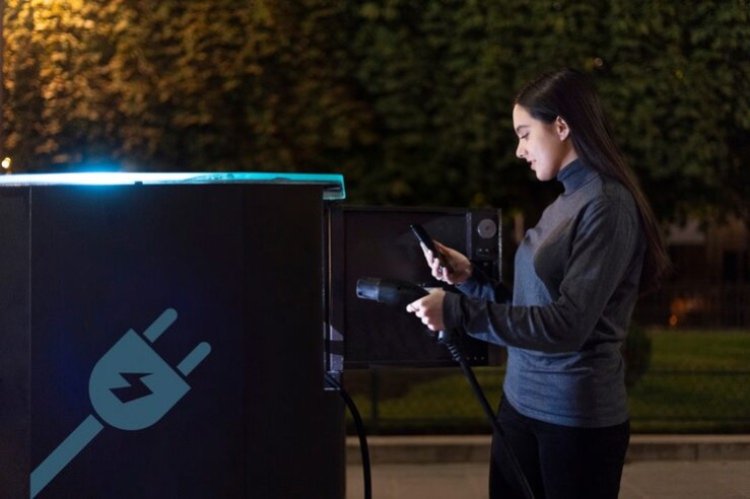
Vertelo, which offers integrated solutions for fleet electrification that includes charging infrastructure, leasing and financing, fleet management, energy optimization, and end-of-life services for EVs, was launched in April 2024 by MAM's Green Investment team. By forming alliances with important original equipment manufacturers like Tata Motors, MG Motors, JBM, Switch Mobility, Eicher Volvo, and Eka Mobility during the previous year, Vertelo has created a solid operational foundation in India's expanding EV industry.
The importance of the fundraising was underscored by MAM Managing Director Abhishek Poddar, who noted that the $405 million investment is the company's largest commitment to the electric vehicle industry in Asia. He underlined that the growth is consistent with Macquarie's larger global plan to promote expanding companies and industries in the energy transition space. Highlighting India's potential as a strategic market for the expansion of electric vehicles, Poddar said that the teams at MAM Green Investment and Vertelo have successfully established a strong operating platform there in just over a year.
The initiative will promote the development of vital infrastructure for EVs in India and establish a viable environment for their adoption, according to Henry Gonzalez, Chief Investment Officer at the Green Climate Fund. He emphasized the function of blended finance in facilitating access to climate finance and fostering the shift towards climate-resilient, low-emission development. Gonzalez emphasized that such investments, by combining concessional financing with private capital, may help scale solutions in developing markets, thereby increasing their impact and lowering financial risk.
The potential environmental advantages of backing Vertelo's growth were also emphasized by private capital partners. According to Allianz Global Investors' Peter Ellersiek and Lucie Bernatkova, investing in India's EV infrastructure produces quantifiable benefits in the climate transition. Similarly, Australian Ethical's Head of Private Markets, Adam Roberts, emphasized that investments like Vertelo are consistent with the firm's ethical emphasis on people, the planet, and sustainable development.
The Indian electric vehicle market is predicted to expand at a compound yearly rate of 27%, with sales anticipated to reach $59 billion by 2035. Demand is being driven by supportive government policies and increasing corporate commitments to decarbonization, which is creating opportunities for platforms like Vertelo to play a key role in expanding the nation's EV ecosystem. Vertelo's all-encompassing strategy, which covers everything from fleet management to energy optimization, allows it to assist India's fleet electrification in both its operational and financial components.
Since 1999, Macquarie has maintained a strong presence in India, with investments totaling over $4.2 billion in a variety of industries. The company has significant teams in Mumbai and Gurugram, demonstrating India's strategic importance as both an investment target and an operational hub. Macquarie wants to use Vertelo to utilize its local knowledge to promote the adoption of EVs, helping India move toward a transportation sector that is more sustainable and produces fewer emissions.
The increasing trend of mixed finance, which combines concessional and commercial capital to support massive climate solutions in developing markets, is exemplified by the alliance between Macquarie and the Green Climate Fund. Such initiatives promote the development of vital infrastructure and boost investor trust in the industry by making it easier to get access to crucial funding. The fusion of foreign investment with India-based businesses is predicted to improve the nation's EV environment, serving as an example for other developing nations looking to increase their sustainable transportation alternatives.
Vertelo intends to cover the entire lifespan of electric fleets as it expands, from procurement to energy optimization and ultimately car recycling. The platform's emphasis on an integrated approach guarantees that the adoption of electric vehicles is not just sped up but is also viable and affordable. India's EV industry is on the verge of a major revolution as institutional investors and concessional capital providers become more interested, with Vertelo leading the way in promoting a cleaner and more sustainable future for transportation.
The $405 million raise, in general, highlights the increasing significance of EV infrastructure investment in India and the potential of blended finance to promote climate-friendly solutions. The participation of the Green Climate Fund shows a dedication to promoting low-carbon development in developing countries, and Macquarie's participation shows confidence in the market potential. Together, the investors are working to develop a sustainable and scalable model for fleet electrification that can be used in other markets that are experiencing comparable challenges in the energy transition.
With the funding, Vertelo will be able to speed up the deployment of electric vehicle fleets and charging infrastructure throughout India, improve operational efficiency, and enhance ties with vehicle manufacturers and fleet operators. This cooperative strategy seeks to make India's EV transition both economically viable and environmentally sustainable, which would help achieve larger national and worldwide climate targets.
What's Your Reaction?