Heavy monsoon rain cools Delhi-NCR, triggers yellow alert, causes waterlogging and flight delays.
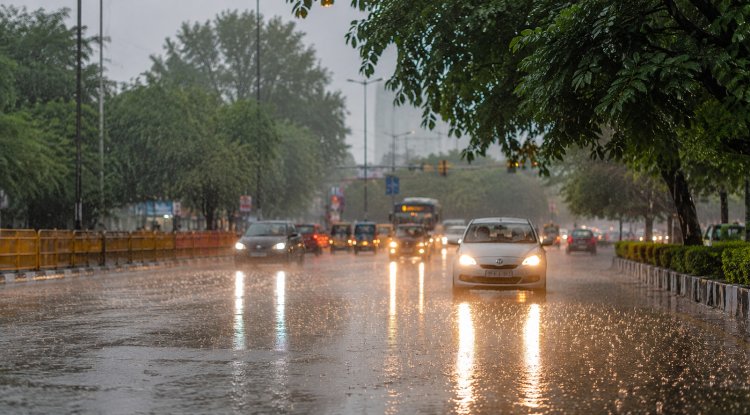
After a long, hot summer, the relief from the extreme heat has finally arrived in the NCR, but dramatically. Heavy rains have been reported in the geographical centre of the country, engulfing the landscape and disrupting the lives of millions of people. A thick layer of heavy rain engulfed vast areas of Delhi and its adjoining urban clusters early on Wednesday morning, according to The Times of India. The sudden monsoon surge was so strong that the India Meteorological Department issued a yellow weather alert for the region, indicating a detailed forecast of intermittent thunderstorms, lightning and strong gusty winds that will dominate the local weather conditions in the coming days.
The current weather warning underscores a highly active five-day meteorological outlook during which the National Capital Region is predicted to remain under a generally overcast, cloudy sky. Weather scientists predict that the local population will experience a fluctuating mix of consistent light showers alongside sudden, isolated spells of moderate to heavy rainfall. Along with the substantial precipitation, the region is bracing for steady winds moving at speeds of thirty to forty kilometres per hour, with intense, localised gusts occasionally touching up to fifty kilometers per hour. For the immediate days ahead, the weather department expects a continuation of this unstable pattern, particularly during the morning and forenoon hours, followed by a lighter, gentler spell of rain as the night sets in.
This sudden monsoon has again revealed the well-known weaknesses of the region's huge urban infrastructure. In the city of Delhi, the widespread waterlogging soon clogged major roads and low-lying residential areas, resulting in significant traffic congestion and heavy traffic jams during morning peak hours. Flooding in the streets, high winds toppled large trees in some neighbourhoods, and structural damage to parked cars and emergency clearing operations by municipal crews were also reported. The turbulence also spread up in the air and caused a lot of trouble for the flights at Indira Gandhi International Airport, as hundreds of domestic flights were delayed one after another, and some international flights were diverted to nearby regional airports such as Lucknow.
According to weather experts, this intense burst of precipitation is the product of a powerful, complex interaction between multiple major atmospheric systems. Specifically, the simultaneous convergence of an active western disturbance, a prominent low-pressure trough, and the heavy moisture release from a weakening depression combined to create a highly volatile environment for widespread monsoon activity. This dynamic, moisture-laden weather system has not only affected the national capital but has also dropped significant volumes of rain across the neighbouring agrarian belts of Haryana, Punjab, and western Uttar Pradesh, offering vital agricultural irrigation while stretching municipal drainage networks to their absolute limits.
In addition to the immediate physical and logistical disruptions, the heavy rains have also ushered in a welcome and necessary reset of the local environment. Delhi had been battling with unseasonably warm and humid nights before the rains, with minimum temperatures hitting almost 30 degrees Celsius, the warmest July night in two years. Day temperatures after the rain are expected to be significantly cooler, with a 2-4 degree Celsius drop to a much more comfortable operating range. At the same time, the heavy rain is cleaning the city's air. The heavy rains did their job well and took the pollution in the air with them, bringing the Air Quality Index of Delhi back down from the moderate zone and ushering it back into the highly desirable satisfactory zone, providing a fresh breath of air for the millions of people that inhabit the city.
What's Your Reaction?