MRPL has cancelled the charter of an Iraq-bound crude oil tanker and is seeking an alternative vessel as refiners navigate ongoing shipping and geopolitical risks in the Middle East.
India's Mangalore Refinery and Petrochemicals Ltd (MRPL) has cancelled the charter of a crude oil tanker that was scheduled to load crude from Iraq, citing technical reasons. The move comes at a time when maritime security concerns remain elevated in the Strait of Hormuz, a key global oil transit route, although it is not yet clear whether regional tensions directly influenced the decision.
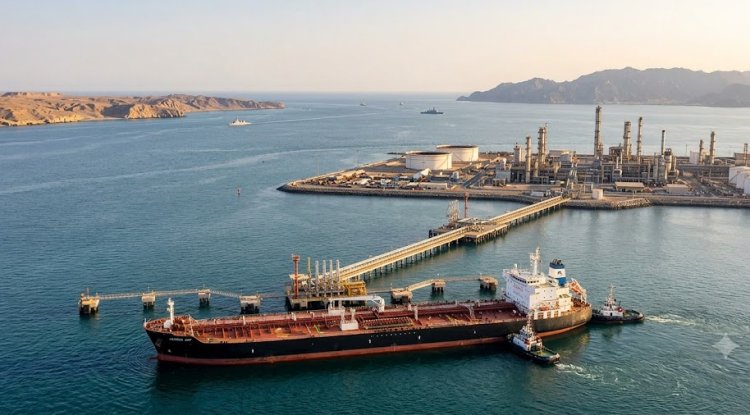
Sources from the shipping sector revealed that the Aframax tanker named Jasmin Joy has been unbooked by MRPL, which was supposed to load crude oil from the oil terminal of Basrah in Iraq. Apparently, MRPL has already started looking for another ship in order to ensure its planned loading of crude oil.
The development follows recent disruption that has been experienced lately concerning shipping through the Strait of Hormuz, through which almost a fifth of the world’s oil and natural gas passes. The rising geopolitical tension in this area poses a risk to those operating the tankers, hence increasing logistics expenses for companies relying on crude from the Middle East.
The MRPL has a refinery with a daily capacity of 300,000 barrels of oil located in the state of Karnataka, and this company is known to be one of the largest state-owned refineries in India. The MRPL is highly reliant on the imports of crude oil from the Middle East, mainly Iraq.
According to industry analysts, this cancellation illustrates the ongoing uncertainties that exist within global energy supply chains even though there are indications that there is improvement in tanker traffic at the Strait of Hormuz. Refineries are keeping close tabs on shipping and maritime security while trying to avoid disruption in their crude oil supplies. Any prolonged constraints on tanker availability could increase procurement costs and affect refining margins.
India is heavily dependent on foreign sources as far as its requirement of crude oil is concerned, with over 85% of it being imported. The most recent development highlights the need for having a diverse crude source as well as robust shipping logistics and plans for ensuring fuel supply safety.
What's Your Reaction?