Nepal Leads Asia in Electric Vehicle Adoption with 70% New Car Sales
Nepal is now one of the top countries globally for electric vehicle adoption, with over 70% of new cars sold being electric. Backed by clean hydroelectric energy, strong government policy, and low operating costs, Nepal is rapidly transitioning to sustainable transportation.
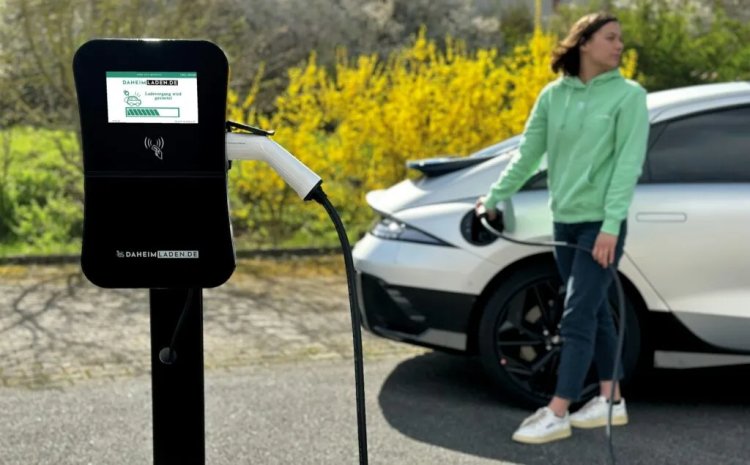
Nepal has become a world leader in electric cars, second only to Norway in the percentage of new electric car sales. During the fiscal year from July 2023 through July 2024, more than 70% of new four-wheel passenger vehicles bought in the country were battery electric vehicles. This represents a tremendous change in transportation and environmental wellness in the country, as it indicates an extremely rapid transition away from fossil fuels and towards clean energy sources.
The rapid increase in the popularity of electric vehicles is driven by deteriorating air pollution levels, especially in the Kathmandu Valley, whose cause is transport for about a quarter of the air pollution. The valley is often faced with pollution levels from 10 to 20 times the World Health Organization recommended levels. In 2021, air pollution accounted for about 19% of all national fatalities. Health workers estimated that life expectancy in the capital would rise by a further 2.6 years if pollution was lowered to safe levels.
The import of electric vehicles in 2020 was a mere 250, while in 2024 it was more than 13,000. Of the 11,701 electric vehicles imported in the last financial year, 76.4% were Chinese, with leading brands such as BYD, Changan, Great Wall Motors, and NIO. The same are ruling the EV market of Nepal because of pricing and availability.
The government has also introduced a sequence of policies encouraging electric vehicle use. These include lower import duties, buying subsidies, and bank preferences loans. Combined with lower costs to operate—approximately a tenth that of petrol vehicles—these policies make EVs affordable to the majority of consumers. The Nepalese government wants 90% of private vehicle sales and 60% of public transport sales to be electric by 2030.
The country's reliance on hydroelectric power, which is renewable and unlimited, works in its favor for EV infrastructure. Nepal abandoned electricity load shedding in 2018, and there has been a constant supply of power for charging vehicles since then. There are more than 100 charging stations available across the country now, but the majority are concentrated in cities. Rural regions still lack sufficient infrastructure in place, and this still works as a limiting factor for its further development.
Apart from automobiles, Nepal has also increased its fleet of electric public transport vehicles. The Sajha Yatayat Cooperative brought 40 electric buses to the roads of Kathmandu, and electric minibuses connect most mountain villages where the road conditions are not friendly for heavy vehicles. The country also has a very long history of using electric two-wheelers and three-wheelers, which have been running on the roads for the last thirty years.
Despite progress, issues remain. The cost of battery replacement and lack of an adequate system for recycling batteries are both economic and environmental issues. There is also a necessity for charging outlets to be developed outside of major cities so that their use can be more widespread. Yet the advantages of electric vehicles—lower pollution, lower noise pollution, lower foreign fossil fuel dependence—make electric vehicles a practical and strategic choice for economic as well as environmental issues.
Nepal is a model for the world's other emerging countries. With continued government investment, proper infrastructure, and popular backing, the same environmental and public health gains can be made in impoverished settings as well. As arguments burn throughout most of the globe about how quickly to phase out fossil-fuel vehicles, Nepal's experience demonstrates what can be done with clear policy and decisive action.
Source
Cyrene Oraya Reyes, Electric Vehicles in Nepal: Leading the World with 70% of New Electric Vehicles on the Streets, Published July 16, 2025 | Wikimedia Commons.
What's Your Reaction?