The Dutch-German N05-A offshore gas project has become Europe’s first to receive MiQ’s Grade A methane certification, following an independent audit. The project runs on offshore wind power and supplies gas to the Netherlands and Germany.
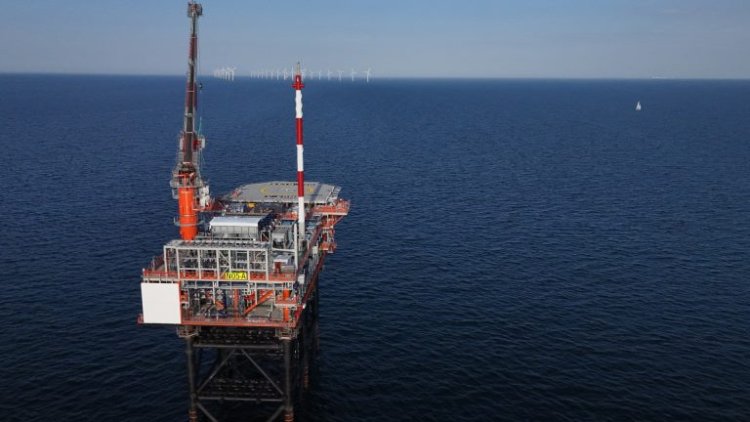
The Dutch-German N05-A offshore gas development has become the first project in Europe to receive a Grade-A methane certification under the MiQ Methane Emissions Performance Standard, according to company statements released this week.
The project, located in the North Sea and operated by Netherlands-based ONE-Dyas, underwent an independent audit by Intertek to assess its methane emissions intensity and operational practices. The certification indicates that the project met MiQ’s highest performance band for methane management.
Methane is a potent greenhouse gas and a key focus of European climate and regulatory efforts. The MiQ standard provides a grading framework that evaluates natural gas production sites based on measured methane emissions and operational controls. Producers in the United States have adopted the system and it is increasingly being referenced in European markets.
Gas from the N05-A field will be marketed by BP to utilities and industrial buyers in the Netherlands and Germany. Certification allows buyers to differentiate supplies based on methane performance metrics, which are becoming more relevant under European Union methane regulations and corporate disclosure requirements.
One operational feature of the project is its reliance on electricity from the Riffgat offshore wind farm, operated by EWE Energy. Power is delivered to the platform via a nine-kilometre subsea cable. According to the operator, this removes the need for conventional gas-fired power generation on the platform and reduces operational greenhouse gas emissions. Electrification also limits methane slip associated with gas-driven equipment.
The N05-A field forms part of the GEMS area, which is estimated to hold up to 50 billion cubic meters of gas resources. The development comes at a time when European governments are seeking to balance domestic energy production with climate targets and reduced dependence on imports.
Company executives said the certification reflects project design and monitoring systems. Independent verification is expected to become more common as regulators and buyers seek emissions transparency across gas supply chains.
The certification does not change the broader emissions profile of natural gas combustion, but signals increased scrutiny of upstream methane management as Europe’s energy transition continues.
What's Your Reaction?