OMV secures €450M EIB funding to build a major green hydrogen plant, advancing industrial decarbonization.
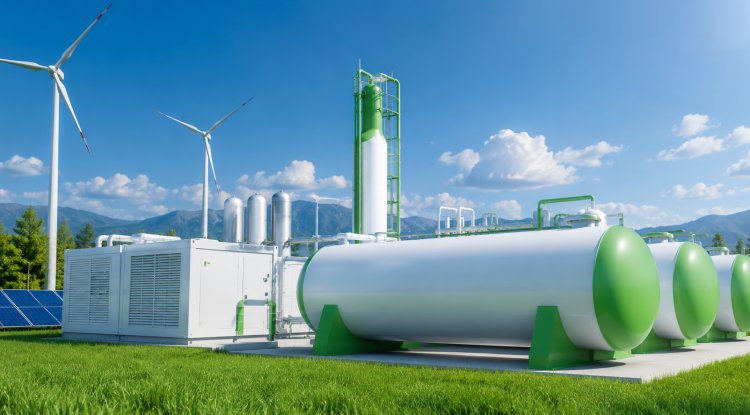
Vienna-based OMV, the energy and chemical firm, has received a €450m loan from the European Investment Bank (EIB) to help build one of Europe's largest green hydrogen factories. The financing represents a big contribution to the development of decarbonization and clean energy infrastructure in Europe. The project is being developed in the town of Bruck an der Leitha, Austria, and is poised to enhance the town's efforts to become a low-carbon industrial site as well as the EU's overall climate objectives. The investment also reflects the increasing drive in the continent to invest in renewable energy, decarbonising industry and clean energy transition.
The 140 MW green hydrogen plant is in the construction phase and will go into commercial operation by the end of 2027. When it goes into operation, the plant will be one of the biggest in Europe for green hydrogen production, with a capacity of up to 23,000 tonnes per year. The total investment for the project is estimated at €600 million, of which the EIB loan would contribute a significant amount to the development costs. The hydrogen generated at the plant will be primarily utilized at the OMV Schwechat refinery in Lower Austria to replace conventionally manufactured hydrogen and thereby lower emissions from the refinery.
Initiatives to Support Refinery Decarbonization
The new hydrogen production plant will be a major factor in reducing OMV's carbon footprint in its refining processes, the company stated. The refinery will produce fuels and chemical products using hydrogen sourced from the facility, thus helping to reduce the greenhouse gas footprint compared with hydrogen sourced from fossil fuels.
The company claims the project will cut carbon dioxide emissions by about 150,000 tonnes per year - making up nearly 10% of the refinery's direct emissions. This decrease will help achieve Austria's and the EU's climate goals and will further drive cleaner industrial production processes.
Locally made hydrogen with renewables will also help its hydrogen operations become more energy sustainable, and lower the reliance on fossil fuel sources that are typically employed in refining, the company added.
As a component of OMV's Long-Term Climate Strategy.As a part of OMV's Long-Term Climate Strategy.
The green hydrogen plant is part of OMV's Strategy 2030, which will enable the company to shift from being a traditional oil and gas producer to a supplier of sustainable fuels, chemicals and circular economy solutions. This approach will help OMV to increasingly invest in low-carbon technologies and decrease dependence on fossil fuel production.
In addition, the company has pledged to become a "net zero" emitter by 2050, which is in line with international climate targets. Investing in renewable fuels, recycling technologies and hydrogen production is likely to play an even greater role in OMV's operations in the future.
The facility is a significant step toward OMV's decarbonization efforts, said Reinhard Florey, OMV's Deputy Chairman of the Executive Board and Chief Financial Officer. Locally generated green hydrogen will enable OMV to use more sustainable energy in its production and help develop products with reduced emissions, he added.
The project reflects the company's willingness to make a contribution to Austria's energy transition and to push for a more environmentally friendly operation of industry, he said.
The growing importance of Green Hydrogen in energy transition.
With direct electrification not an option for many industrial sectors, green hydrogen is increasingly recognized as a key technology to decarbonize these industries. Certain sectors like aviation, heavy transport, steel production, refining, and chemicals, demand high-temperature processes or fuels with a high energy density, which is not always possible to replace with renewable electricity.
Green hydrogen is made through electrolysis with renewable electricity, unlike conventional hydrogen which is mostly produced by using natural gas, resulting in substantial carbon dioxide emissions. In this process, the hydrogen is separated from the water, but no direct carbon emissions are generated, thus providing a cleaner process for industrial use.
To scale up the production of green hydrogen, significant investments must be made in renewable power generation, electrolyzer capacity, storage, transportation and infrastructure. To speed up the continent's transition to climate-neutral industries, the funding of hydrogen projects has become a priority for governments and financial institutions in Europe.
EIB underlines the strategic importance of hydrogen investment.EIB confirms hydrogen's strategic value for investment.
The European Investment Bank said the financing deal was part of its ongoing backing of initiatives that boost Europe's clean energy economy, increase competitiveness of industry and energy security.
Vice-President of the EIB Karl Nehammer explained that green hydrogen is a major pillar of Europe's pathway towards climate-neutral and secure energy system while at the same time opening up a competitive market. Supporting the production of hydrogen at industrial scale will play a role in replacing fossil fuel-based hydrogen in refining with renewable hydrogen and helping to decarbonize heavy industry, he said.
The investment is also part of the EIB's broader interest in funding projects that are contributing to the European Union's climate goals, foster innovation and drive up the use of clean energy solutions across the European Union.
The OMV project is progressing towards completion in 2027 and will be one of the largest operational green hydrogen plants in Europe. The project's integration of large-scale renewable hydrogen production and refinery decarbonization underscores the increasing importance of hydrogen in decarbonizing industries and advancing the transition to a lower-carbon energy system.
What's Your Reaction?