An intense heatwave across south-eastern Australia has heightened bushfire risks, with Melbourne forecast to experience its hottest day in 17 years amid emergency warnings and preparedness measures.

Australia’s bushfire hazards were heightened with the developing extreme bushfire risk event due to the intense heatwave occurring across Australia, particularly in & around Melbourne, which recorded the hottest day since 2009 on 27th January 2023.
Heat, drought, and wind together create extreme bushfire risk conditions according to government officials, leading health & emergency authorities to warn that precautions are critical as the heatwave event escalates.
Severe weather also impacted a broad area of South Australia (SA), NSW & Victoria, with most towns experiencing record-breaking heat, significantly elevating risk to emergency responses, as well as increasing health-related events and also the potential for rapid spread of bushfire during this time of significant risk to bushfire events due to prolonged heatwave events, particularly along the bushfire season in Australia.
Heat Record Expected With Current Weather
Exceeding 40 degrees Celsius, Melbourne faces its warmest day since 2009, according to the weather bureau. Inland zones grow hotter still—air heated in central Australia travels toward southern latitudes. Surrounding districts share comparable heat patterns, forecasts indicate.
A prolonged spell of intense warmth emerged due to a stationary zone of high pressure pulling arid air masses over wide areas, with minimal clouds permitting swift daytime warming. In parallel, night-time readings showed little decline, offering slight recovery for communities while placing added strain on essential networks, including electricity grids and rail lines.
One major news outlet reported warnings from experts that ongoing weather patterns may extend periods of extreme heat while keeping wildfire risks high in several regions. Conditions show little sign of shifting soon.
Bushfire Risk and Emergency Readiness
With temperatures climbing sharply, fire officials moved to higher alert stages in multiple areas. Dry plants, starved by months of scant rain, waited like tinder across wide stretches of land. Because of this, even small sparks could grow dangerous fast under current weather patterns. Strong breezes mixed with very low moisture in the air made control efforts harder than usual. Heatwaves left little room for error when flames took hold near rural zones.
Awaiting potential threats, fire teams stood ready alongside aerial units positioned for rapid response. Review of exit strategies unfolded among officials responsible for vulnerable neighbourhoods. To reduce risk exposure, individuals received guidance to eliminate flame-triggering actions. Attention was directed toward maintaining awareness of alerts issued during daylight hours.
Should flames ignite amid such dryness, control may prove challenging—especially where woods or open fields border towns. To reduce risk, several areas introduced fire restrictions without delay.
Health Warnings and Urban Impact
Warnings emerged from health officials as high temperatures created danger, especially for the elderly, infants, young children, and persons managing long-term health issues. Medical centres stood ready, expecting more cases tied to excessive heat—conditions such as fluid loss and overheated bodies. Despite calm appearances, systems braced under growing pressure from environmental strain.
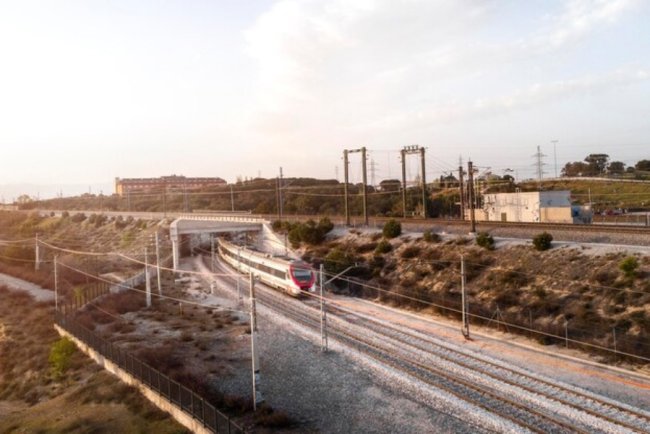
Facing intensified warmth, cities like Melbourne contended with trapped heat from dense construction, slowing night-time temperature drops. As railways and streets underwent close review by transit authorities for thermal stress, energy suppliers noted rising consumption patterns tied to indoor climate systems. Heat persistence shaped operational awareness across services.
In various regions, public cooling facilities provided a place of refuge as well as a way for individuals at risk to receive care. The emphasis was placed on providing individuals access to ongoing hydration while also trying to discourage people from spending extended periods outdoors in the middle of the day. Relief was provided to individuals affected by rising temperatures through community members modifying their normal routines in accordance with local government officials’ suggestions.
Broad Climate and Seasonal Patterns
Summer in Australia often brings heatwaves, yet specialists observe these extremes occurring with greater intensity now than before. Though not always linked to immediate drought conditions, extended high temperatures reduce moisture in plants and earth alike. Fire risk grows steadily under such circumstances, building pressure across regions unprepared for sudden blazes. Even landscapes once considered resilient face new stress when hot spells stretch beyond normal limits. Patterns suggest a shift is underway, altering how environments respond to seasonal warmth.
Following recent storms and floods, a sudden shift brought intense heat to areas already stressed by erratic summer patterns. Where downpours once disrupted roads, temperatures now climb sharply under cloudless skies. Such rapid swings between extremes challenge response systems meant for single events. Preparedness weakens when heavy rains give way quickly to scorching days. Communities reeling from one crisis often confront another before recovery begins. Unpredictable sequences like these stretch emergency planning beyond usual limits. Shifts that were gradual in past decades now unfold in weeks or even days. Heat follows floods with little warning, leaving little room for adjustment. Conditions once distinct blur into overlapping threats across seasons. Response timelines shrink just as complexity increases without clear precedent.
Frequent warnings emerge from climate experts connecting higher worldwide temperatures to a greater chance of extreme heat periods. These conditions tend to intensify the potential for wildfires to spread through Australian regions. Such patterns grow more evident as warming trends continue without reversal.
Ongoing Monitoring and Response
With the heatwave advancing, monitoring by Australian authorities persisted without pause. So long as elevated temperatures held and fire risks stayed sharp, readiness across emergency units showed no sign of lessening.
Facing changing circumstances, residents found guidance in regular bulletins along with adherence to safety protocols. Though temperatures should reach their highest soon, authorities noted persistent dryness might prolong heightened fire danger well after the hottest stretch passes.
Despite calm skies, the episode revealed persistent difficulties linked to severe weather patterns. Responses across agencies became critical when safeguarding towns, essential systems, and well-being through the summer months in Australia.
What's Your Reaction?