The reasons behind the lower incomes are many, with the biggest reason being uneven and weak monsoons, including elevated global commodity prices (like fuel and fertiliser)
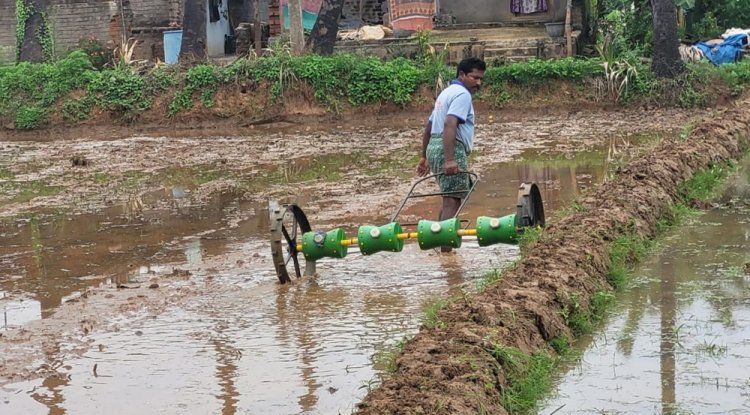
Only 27.7 per cent of rural households reported an increase in income over the last year — the lowest since the National Bank for Agriculture and Rural Development (Nabard) began tracking rural economic conditions about two years ago.
Spending appears to be more rigid. It is only the second time since the study began that the percentage has fallen below 75 per cent, with just 74.1 per cent of respondents reporting an increase in expenditure.
The reasons behind the lower incomes are many, with the biggest reason being uneven and weak monsoons, including elevated global commodity prices (especially fuel and fertiliser). A lot of this slowdown traces back to the weather. June brought a steep 33 per cent rainfall deficit nationally, which rattled early expectations for the kharif season. Things improved somewhat by July; cumulative rainfall reached 219.4 mm by the 12th of the month, pulling the national deficit down to 17.8 per cent. But that recovery hasn't been even. The East and Northeast were still sitting at a 37 per cent rainfall shortfall, a gap serious enough to threaten sowing and crop output in that region specifically. Reservoir levels told a similar story: they were running 36.5 per cent lower than the same time last year, with South India's reservoirs hit especially hard.
As per the survey, government transfers and subsidies accounted for 8.11 per cent of the average monthly household income in July 2026, which was marginally higher than 8.04 percent in May. This was still much less than the January 2025 peak of 10.28 per cent, indicating that households are depending on government assistance a little less, perhaps as a result of benefits reaching the proper individuals more effectively and leakages decreasing.
Rural India remained largely stable, helped by the progress of the southwest monsoon, ongoing kharif sowing and continued government spending in rural areas. However, if El Niño becomes stronger, it could hurt crop production and farmers' incomes, which may reduce rural spending in the coming months.
The survey covered 20,000 households across 29 states and union territories and found that only 27.7 per cent of rural households reported earning more than they did a year earlier. About 52.6 per cent said their income hadn't moved at all, the highest that figure has ever been. Another 19.8 per cent said their income actually fell. Put those together, and you get something stark: nearly three out of every four rural households saw no improvement in their income over the past year.
Given weaker incomes, it's no surprise that spending is cooling too. The share of households reporting higher consumption fell to 74.1 per cent, only the second time since the survey began that this number has dipped below 75 per cent. It was at 77.2 per cent back in May and 76.6 per cent a year ago in July 2025.
That said, rural households haven't pulled back sharply. On average, they're still putting 66.5% of their monthly income toward everyday spending. But another 12.5 per cent is going straight into debt repayment, which says a lot about how stretched household budgets have become. And savings are taking a hit too: only 17.8% of households reported higher savings this round, the lowest share recorded since the survey started.
More families are turning to moneylenders and relatives
Perhaps the most telling shift in this survey is where people are borrowing from. Households relying solely on formal lenders, banks, NBFCs, and microfinance institutions dropped to 51 per cent in July, down from 58.3 per cent back in November. At the same time, the share of households borrowing purely from informal sources climbed to 23.6 per cent, the highest ever recorded in this survey. Of that group, 16.2 per cent borrowed only from friends and family, 6 per cent relied entirely on moneylenders, and 1.4 per cent used both. Another quarter of households, 25.3 per cent, said they'd borrowed from both formal and informal sources.
The going interest rate on these informal loans averaged 17.77 per cent, though nearly 20 per cent of respondents said they paid no interest at all, which suggests a lot of this borrowing is happening between relatives rather than through moneylenders charging steep rates. Even so, a rising reliance on informal credit usually points to one thing: people are running short on cash and formal credit isn't reaching them fast enough, or at all.
What's Your Reaction?