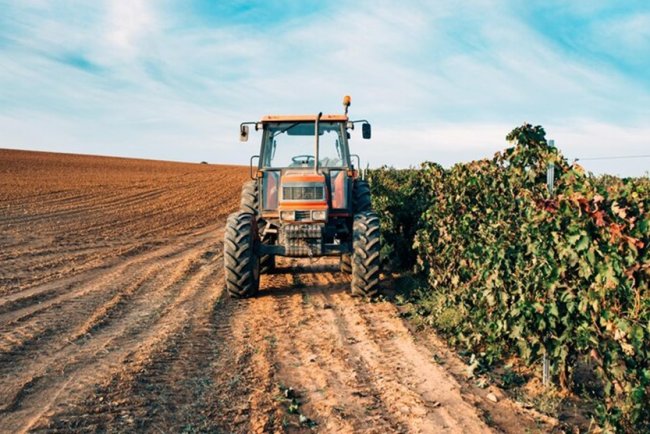
PepsiCo and Cargill partner to expand regenerative farming across 240,000 acres of U.S. corn farmland by 2030.
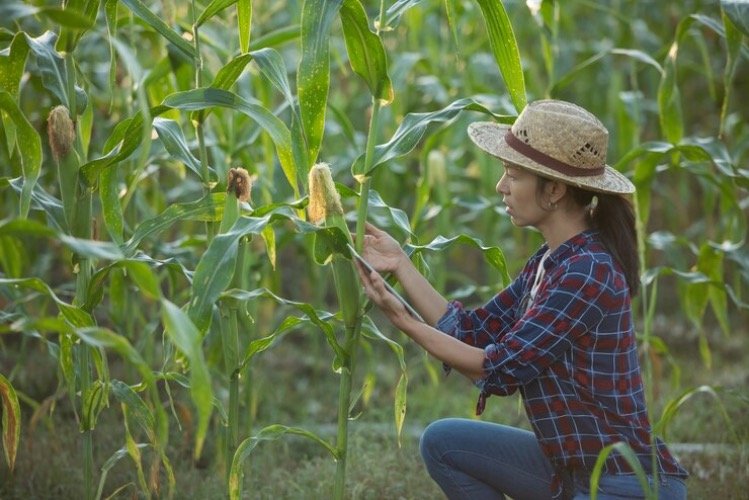
In a major step towards sustainable farming, food and beverage giant PepsiCo and farm giant Cargill have announced a revolutionary partnership to advance regenerative agriculture practices throughout their combined U.S. corn value chain, with a focus particularly in Iowa—the country's leading corn-producing state. The joint strategy is an important step towards revolutionizing traditional farming into a more environmentally robust and more socially responsible system.
The alliance, announced July 16, 2025, aims to grow regenerative agriculture, the goal being to have 240,000 acres of agricultural land transition to sustainable methods by 2030. Both companies' larger sustainability aspirations are mirrored in the alliance, as well as the significant role agriculture plays in combating climate change, preserving environmental health, and developing resilient food systems. The alliance also aims to leverage both companies' earlier commitments to seek sustainability in their own operations and through supply chains.
Regenerative agriculture is on the rise as an integrated system of agriculture that not only conserves but enhances the environment. It aims to restore and enhance natural resources including soil health, biodiversity, water quality and watershed health, and farmer livelihoods. Some of the basic practices that this system is founded on include cover cropping, reduced tillage, nutrient stewardship, and crop rotation. These methods help sequester carbon, lower greenhouse gas emissions, and build agricultural productivity and climate resilience.
A resilient ag system is extremely important to PepsiCo's business, the company says. The business depends on a global ag footprint that is broad-based, with 35 distinct crops and ingredients sourced from over 60 countries. As part of its mission for sustainability, PepsiCo has pledged to advance regenerative, restorative, or protective agriculture to 10 million acres by the year 2030. The new collaboration with Cargill is regarded as a vital spur to the mission, especially because it targets the midsection of the U.S. corn belt farmers.
Iowa produced more than 15% of the United States' corn alone in 2024, so it's a big place to make this regenerative agriculture project happen. Sensing the value of farmer input and local wisdom, the program will be carried out in collaboration with Practical Farmers of Iowa, a veteran nonprofit group with strong ties to the state's farming community. Practical Farmers of Iowa will offer enrolled farmers personalized agronomic guidance, technical support, and payment incentives. Enrollment and verification services will also be managed by the organization to ensure transparency and measure impact.
These will encompass recommendations for the employment of regenerative measures like cover cropping to enhance and restore soil health, minimizing tillage to prevent soil structure loss, and maximizing nutrient use to prevent soil loss and decrease environmental runoff. All this will help decrease the carbon footprint of agriculture while enhancing agricultural productivity and profitability for farmers in the long term.
Jim Andrew, PepsiCo's Chief Sustainability Officer, highlighted the value of working together: "By collaborating with farmers to know what works best on their fields and working together throughout the supply chain, we can accelerate the adoption of regenerative agriculture practices that have the potential to drive healthier soil, reduced emissions, and better farmer livelihoods and yields.". This collaboration between PepsiCo, Cargill, and Practical Farmers of Iowa generates shared value and long-term sustainability that we think will strengthen our company today and in the future.
The collaboration supports Cargill's own aggressive sustainability goals. The firm has committed to driving regenerative agriculture on 10 million North American tillable acres and offering training in sustainable agriculture and market access to 10 million farmers globally by 2030. Pilar Cruz, Chief Sustainability Officer at Cargill, emphasized the practical and effective focus of the effort: "This partnership is about making practical, tangible differences—starting on the farm, where the food supply begins.". By uniting across the value chain, we can facilitate the conditions under which regenerative agriculture can gain traction and scale. The collaboration provides a blueprint for how we can create lasting impact at scale."
The partnership between Cargill and PepsiCo is greater than an environmental initiative; it's a game-changer in the way agribusinesses interact with farmers and with the natural world. By integrating regenerative practices right at the core of the corn supply chain, the companies are attempting to future-proof the production of food while solving some of the biggest challenges in agriculture today—including erosion and loss of soil, climate change, and economic uncertainty in farm communities.
This collaboration not only makes a strong statement in the larger industry but also sets an example to be followed for other companies wanting to incorporate regenerative principles into supply chains and operations. As more actors in the food system value sustainability and resilience, these collaborations will be increasingly vital to transforming farming standards and securing long-term health for human and planetary beings.
What's Your Reaction?