A new study found that some plastic recycling methods can cause phthalates to build up in wash water, raising concerns about wastewater management and the handling of contaminants during plastic recycling.
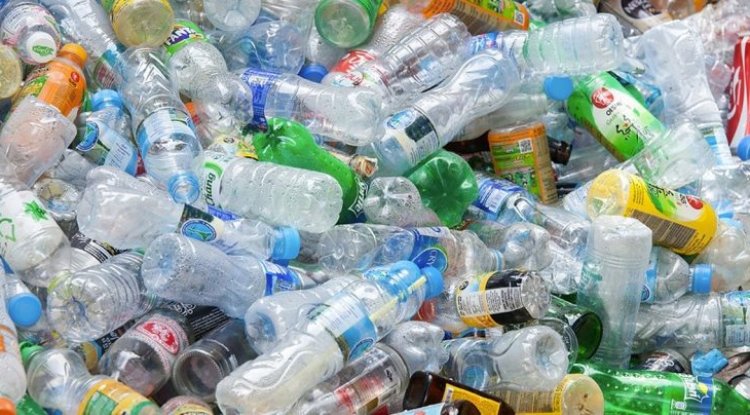
A study recently published in Advances in Materials Science and Engineering suggests that certain plastic recycling methods may contribute to the increased concentration of phthalates in wastewater, thus posing doubts about how the water used in plastic cleaning is managed in recycling facilities. The study was described by Phys.org and carried out at Iowa State University.
Polypropylene, which is frequently used in the packaging of various food products such as yoghurt, is one of the plastics that is subject to the study. Before its recycling process, polypropylene is washed to clean off all sorts of contaminants such as food residues and labels.
Not all washing methods produced the same results. Washing with mechanical agitation alone or agitation combined with sodium hydroxide did not result in detectable phthalate levels. However, wastewater from ultrasonic cleaning and from washing with sodium hydroxide and industrial detergent contained two phthalates—DEHP and DCHP. These chemicals have been linked to hormone disruption and other health concerns in previous studies.
The researchers also looked at what happens when recycling plants reuse the same wash water, a common practice aimed at reducing water consumption. After 15 reuse cycles, levels of DEHP increased in the wastewater, while detergent concentrations declined. The findings suggest that contaminants can build up over repeated washing cycles if the water is not adequately treated.
The research does not raise any doubts about the importance of recycling plastic waste, but stresses that wastewater treatment should receive more consideration. Several wastewater treatment techniques have been found by researchers that could be used to eliminate contaminants in recycled wash water, such as foam separation, electro-oxidation, and biological treatment techniques. Also, they are developing technologies that would make it possible to reduce water usage during the washing stage.
Further research is required to study the behavior of released chemicals in the wastewater treatment process and the efficiency of the mentioned techniques. Improved management of the wastewater could lower the level of contaminant release and allow recycling plants to keep recycling plastic waste.
What's Your Reaction?