Recycled Ocean Plastics Market to Reach $3.5 Billion by 2034
The global recycled ocean plastics market is set to reach $3.5 billion by 2034, driven by sustainability targets, government policies, and technological innovations in waste recovery. Major brands and regions are adopting marine plastic recycling to meet environmental goals.
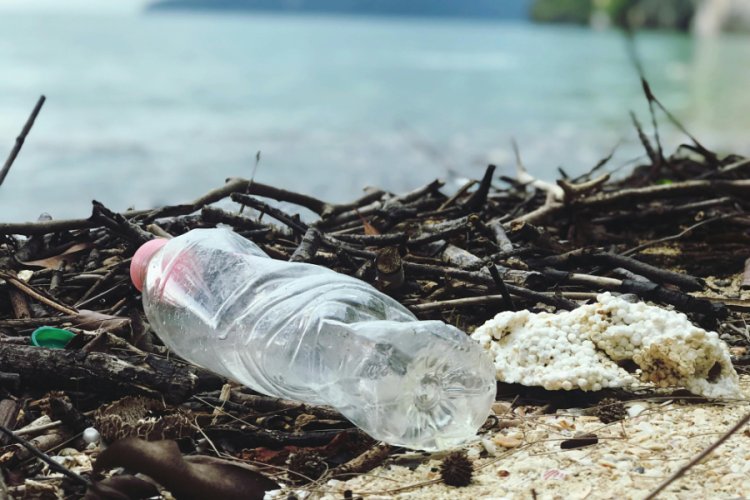
The ocean plastic recycling industry globally is projected to be worth $3.5 billion by 2034, according to a report issued by Custom Market Insights. Currently, the industry is worth approximately $1.93 billion as of 2025, and the industry is anticipated to expand with a compound annual growth rate (CAGR) of 6.81% over ten years, mirroring growing investment in green materials and closed-loop recycling systems globally.
All of these market trends are promoted by rising environmental consciousness, recycling technology innovation, sustainability objectives of businesses, and plastic pollution-reducing government policies. Ocean plastics—seas products collected from oceanic ecosystems—are being more and more upcycled to be used for garments, packages, consumer products, and other purposes around the world.
North America has been a leader in the adoption of cutting-edge recycling technology, such as sophisticated AI-based sortation technologies and digital track-and-trace technology, to maximize the efficiency and integrity of the re-use of ocean plastic. The US and Canada are also adopting packaging recycled content mandates, which is driving companies to shift their supply chain strategy towards assured sources of marine plastic feedstocks.
In the European Union, eco-certification and closed-loop supply chain building are on the rise. Such structures promote maximum recycling of recovered plastic materials from the oceans into new product manufacturing processes and then robustify circular economy practice. Circular supply chains are at the core of the European Union's climate policy and sustainability objectives and give scope to such enterprises that are engaged in certified marine plastic re-manufacturing and recycling.
The Asia-Pacific market also is gaining strong momentum, driven by a fast-developing recycling infrastructure and rising demand from manufacturing industries. Textile manufacturers, packaging firms, and consumer goods firms in nations like China, India, and Indonesia are looking to substitute virgin plastic with environmentally friendly options, and this is generating demand for marine recycled plastic.
The reason why one of the key growth drivers is because of rising demand from global brands to fulfill sustainability targets. Companies such as Nike, Patagonia, and Adidas have incorporated marine-sourced plastic in their offerings, utilizing high-tech such as Repreve created by US-headquartered Unifi that transforms plastic waste into performance fibers. Support from the market also arrives in the shape of long-term purchasing agreements with recyclers. A breakthrough came recently, when Swedish recycler Syre signed a supply pact with leading international retailers Gap and Target to supply marine waste polyester, indicating momentum towards major commercial deals.
Corporate ESG structures are incorporating recycled content specifications, forcing procurement units to focus on certified and traced material. These developments build marketplace stability in the long term and facilitate securing demand for ocean plastic that is recycled, especially processed plastic sourced from certified closed-loop systems with the capacity to meet global standards of sustainability.
At the policy level, governments all over the world are imposing bans on plastic and requiring that plastic packaging include recycled content. This policy is altering supply chain approaches all over the world, and businesses are switching to new materials as a way of meeting legislative requirements. The US, Canada, and EU are leading these policy changes, and this presents challenges and opportunities for businesses to deal with marine plastic pollution.
A second driving factor is investment in marine plastic recycling and recovery facilities. Organizations such as the European Investment Bank have provided large-scale capital financing—$3.5 billion—to projects to address ocean plastic waste. Some of these include ocean clean-up activities, waste collection infrastructure, and sophisticated processing plants in Asia, Africa, and South America. Investment in such infrastructure enhances resource productivity and creates scalable recycling networks where ocean plastic leakage is most severe.
Consumers are also coming forward. Greater consciousness regarding ocean pollution has put growing pressure on companies to provide sustainable alternatives. As understanding increases, consumer purchasing behavior is answering back to ecological concerns, providing yet another compelling business argument for utilizing recycled marine plastics.
The near-term future for the recycled ocean plastic market is influenced by policy support, technology adoption, and consumer engagement, according to the report. Blockchain and cloud-based traceability are enhancing supply chain transparency and enabling brands to verify claims of sustainability. Recycling technologies concurrently are changing the face of recycling to upgrade the quality and machinability of post-consumer marine plastics and convert them to substitute virgin plastic in an increasing number of applications.
With the deteriorating global plastic crisis, the recycling ocean plastics industry is an exemplary solution to the problem through collaboration and innovation. With the intersection of worldwide funding, consumer activism, and private sector investment, the sector will be a significant player in minimizing plastic waste, enabling sustainable production, and stimulating circular economies.
The future of the market will also be influenced by ongoing cooperation among consumers, brands, regulators, and recyclers. As there is economic growth, marine plastic recycling forms part of a wider shift in material sourcing, manufacturing, and environmental care on an international basis.
Source:
Custom Market Insights
What's Your Reaction?