Research Reveals: Mammals' Ground Life Began Before Asteroid Impact
New research reveals that mammals were transitioning from a tree-dwelling to a ground-based lifestyle millions of years before the asteroid impact that wiped out the dinosaurs. The findings suggest environmental changes, particularly the rise of flowering plants, played a significant role in this evolutionary shift.A study from the University of Bristol uncovers evidence that mammals were adapting to life on the ground before the asteroid that caused the dinosaur extinction. The research highlights how evolving habitats influenced mammalian evolution in the late Cretaceous.
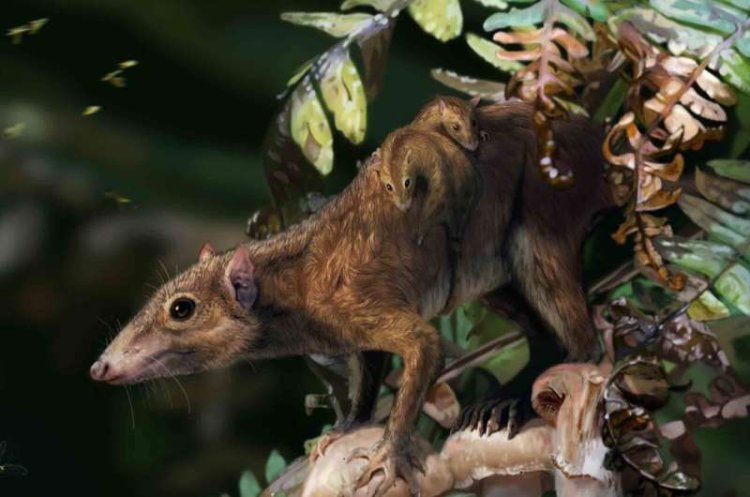
Mammals Transitioned from Trees to Ground Before Asteroid Impact, Study Finds
New research from the University of Bristol has revealed that mammals were already shifting from a tree-dwelling lifestyle to a more terrestrial existence millions of years before the asteroid that caused the mass extinction of dinosaurs. Published in the journal Palaeontology, the study provides compelling evidence that many mammals had begun adapting to life on the ground during the late Cretaceous period, prior to the asteroid strike that wiped out much of life on Earth.
Scientists analyzed small fossilized bone fragments, specifically the ends of limb bones, from marsupial and placental mammals found in well-preserved fossil records in Western North America. These bone fragments, often overlooked in previous studies, offered crucial insights into the locomotion habits of these ancient animals. The research suggests that these early mammals were adapting to terrestrial environments, likely in response to evolving habitats dominated by flowering plants (angiosperms), which altered the ground-level ecosystems.
The study used statistical analysis to compare the fossilized bone structure of ancient mammals with modern species, revealing shifts in locomotion that suggest increased ground activity. This discovery contradicts previous assumptions that mammals only began adapting to ground-based life after the asteroid impact. Instead, it points to a gradual evolution, driven by changes in vegetation and the physical environment, rather than direct competition with dinosaurs.
The researchers believe that this shift in behavior played a crucial role in the eventual survival of mammals after the mass extinction event. While tree-dwelling mammals were severely affected by the catastrophic changes following the asteroid impact, ground-dwelling species, already adapted to the new conditions, fared better in the aftermath. This finding also suggests that the changing environment, rather than the extinction event itself, was a key driver in mammalian evolution.
In conclusion, this research provides a new perspective on mammalian evolution, showing that these animals were already adapting to ground-based life well before the asteroid that ended the age of dinosaurs. This insight not only reshapes our understanding of prehistoric life but also underscores the resilience and adaptability of mammals in the face of environmental change.
SEO Hashtags: #Mammals #DinosaurExtinction #CretaceousPeriod #PrehistoricMammals #Evolution #Palaeontology #FossilRecords #TerrestrialLife #AsteroidImpact #GroundDwellingMammals
Source & Credits: University of Bristol, Palaeontology Journal (2025), Phys.org
What's Your Reaction?