Increasingly intense rainfall and flash floods in the U.S. are exposing vulnerabilities in aging infrastructure and highlighting the urgent need for climate adaptation measures.
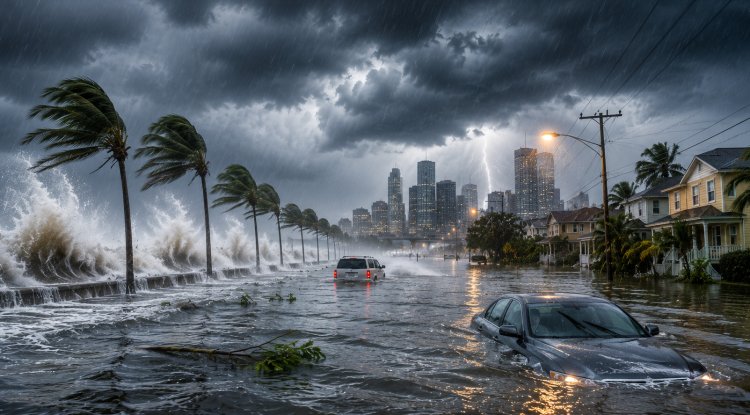
In the U.S., heavy rainfall events are becoming more frequent as the climate crisis grows and the torrential downpour that can trigger deadly and destructive flash floods is becoming more common and more intense.
Record levels of precipitation and flash flooding have occurred in states such as Alaska, Missouri, New Jersey, New York, Ohio and Pennsylvania over the last month. Flash flood emergency warnings were also issued in two counties in Texas, where at least two people were killed, a year after flooding at Camp Mystic claimed the lives of 25 campers, two counsellors and the camp director.
The scientific explanation is easy to understand. Warmer oceans and air have led to greater evaporation, thus adding more water vapour to the atmosphere. Water vapour acts as a greenhouse gas, creating a positive feedback loop and fuel for storms, while also providing additional moisture that can intensify storms, explained Jennifer Francis, senior scientist at the Woodwell Climate Research Center.
Heavy rainfall is more likely to cause flash flooding in hilly regions with poor water absorption, densely populated areas with large amounts of paved surfaces such as roads and buildings, and narrow canyons where rapidly rising water can trap hikers.
However, experts argue that the United States is not fully prepared for this new climate reality. Many cities still depend on drainage systems built more than 100 years ago, which cannot handle the increasing volume of water caused by extreme rainfall events. “There is a climate we have built for that no longer exists, and retrofitting infrastructure is a time-consuming and costly process,” said Alice Hill from the Council on Foreign Relations.
The problem is further worsened by continued development in flood-prone areas and resistance to stronger flood regulations, especially in states where climate change remains a subject of political debate. The Trump administration’s cancellation of an $882 million infrastructure resilience grant programme created additional challenges for climate adaptation efforts, although a court later ruled that the funding should be restored.
With stronger political support, redesigning U.S. cities to better manage and absorb excess rainfall through solutions such as sponge city approaches, permeable surfaces, and upgraded stormwater infrastructure will require years of investment and planning, according to experts.
What's Your Reaction?