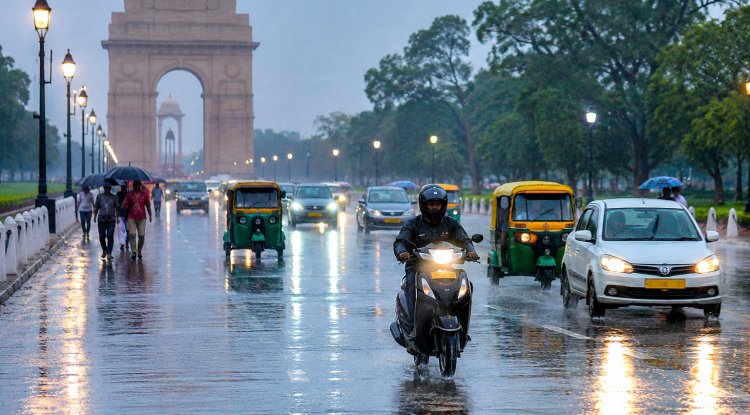
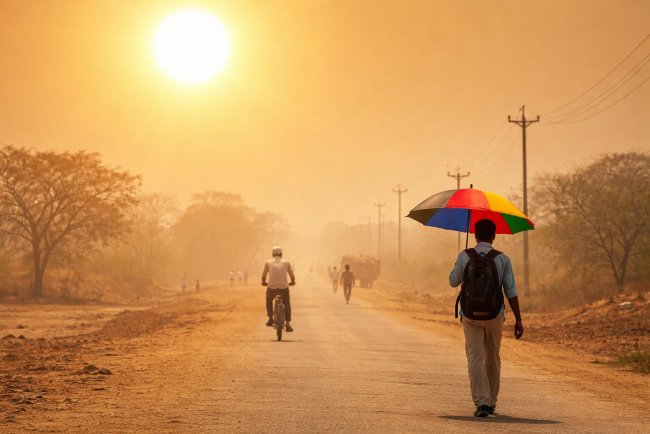
Delhi recorded an AQI of 440, making it the city’s worst January air quality in two years as weak winds and higher emissions trapped pollution.
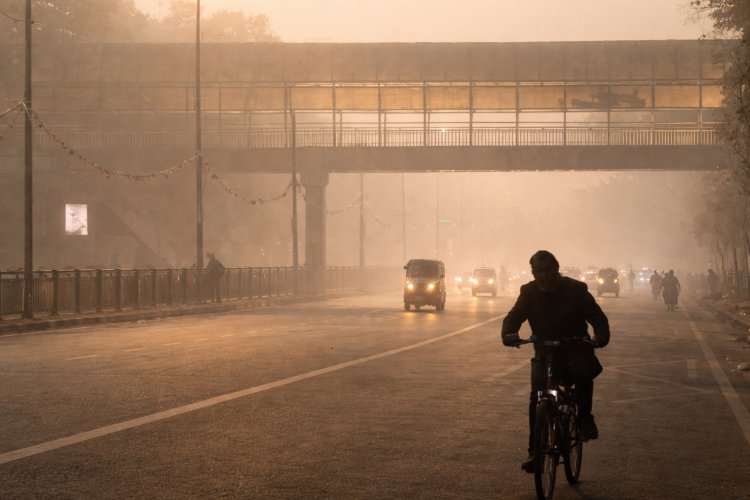
The air quality in Delhi slipped into the “severe” category on Sunday and it marked as the most polluted January day in the last two years and the most polluted second half of January since 2019.
Delhi’s AQI reached 440 yesterday at 4pm. according to the Central Pollution Control Board (CPCB). The air quality was much worse than Saturday when pollution level reached 400. The reading on Sunday was also the highest since January 14, 2024, when the AQI was recorded 447.
Experts in pollution observed that this situation is unusual because it’s a time of improved air quality, which usually peaks in earlier weeks of January. The AQI on Sunday was the second worst in the second half of January, equalling the AQI ranking of January 17th, 2019.
Historical records reveal that there are no circumstances under which the second half of January has levels of pollution as high as this in the second half of the month for the last few years. The maximum AQI values for this period were 430 units in 2016, 375 units in 2017, 403 units in 2018, 370 units in 2020, 407 units in 2021, 387 units in 2022, 407 units in 2023, 409 units in 2024-, and 368-units last year. This is the first time since January 2016 that AQI has remained above 400 for two consecutive days for this
The decline was attributed by scientists largely to low-speed winds at the surface and a western disturbance that carried water into the region, inhibiting the emission of pollution. Conversely, however, they expressed concern about low rates of enforcement of measures that control pollution and too early relaxation of restrictions.
“We can’t control the weather, but we can control emissions,” said Dipankar Saha, former head of CPCB’s air laboratory. “Such extreme pollution levels show that emissions are rising, not falling. Even with GRAP in place, it fails to prevent sharp spikes when wind conditions worsen.”
According to weather forecasts, there can be some relief on Monday, and air quality is also likely to improve, resulting in conditions becoming very poor again.
As soon as the Air Quality Index (AQI) hit 400, which was for the first time this year, Stage 4 restrictions were declared for Delhi-NCR by Commission for Air Quality Management (CAQM) in GRAP restrictions. According to CPCB guidelines, when AQI ranges between 301-400, Air Quality is classified as “Very Poor,” and “severe” if above 400.
Meanwhile, Sunil Dahiya, founder and lead analyst at think tank Envirocatalysts, said enforcement against major pollution sources remains weak, allowing the crisis to worsen despite emergency measures.
What's Your Reaction?