A new Climate Central report finds that rising temperatures linked to climate change are increasing sleep loss across India, highlighting a growing public health concern.
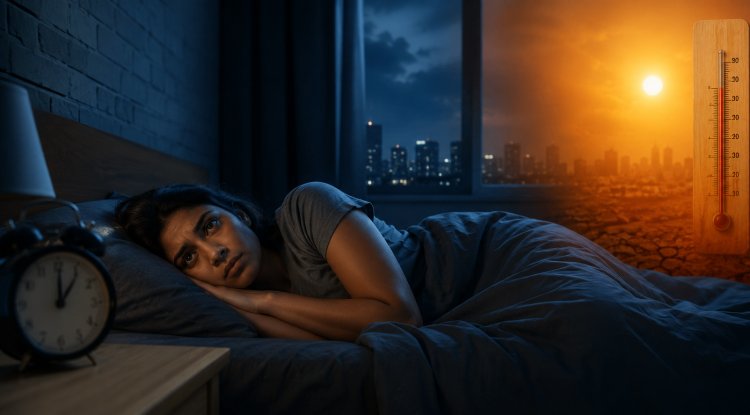
A new Climate Central report on sleep loss in 1,338 major cities around the world finds that sleep deprivation in India is on the rise, with residents in southern India losing 78 to 91 hours of sleep each year, of which eight to nine hours are due to climate change.
A total of 107 cities in India were included in the analysis. Tamil Nadu recorded the highest climate change-related sleep loss among the states analysed, with 7.9 additional hours of sleep lost per person each year. Mumbai lost 84 hours of sleep annually, while Kolkata lost 80 hours. Chennai recorded the highest total sleep loss at 93 hours per year, while Bengaluru had the highest climate change-related sleep loss among cities at eight hours per year. The average sleep loss in Maharashtra was 76.3 hours per year (of which 5.8 hours was due to climate change), whereas sleep loss in Uttar Pradesh was 69 hours per year (of which 4.9 hours was due to climate change).
Overall, the average person worldwide experienced almost 56 hours of lost sleep annually from 2020 to 2025 (almost seven nights), of which approximately six hours (10 per cent) were linked to climate change. The number of nights of sleep lost due to climate change-related temperature effects has increased by at least 200 per cent in all 1,338 cities analysed.
Kristina Dahl, Climate Central's vice-president for science, said, "The analysis shows that hours of lost sleep due to temperature have at least doubled in more than 1,300 cities since the early 1970s, illustrating that the impacts of fossil fuel-related warming are not just about extreme weather but also affect one of the most fundamental needs of human health."
The increase in nighttime temperatures is becoming a public health problem, as poor sleep is associated with cardiovascular disease, impaired immune function, poorer mental health and diminished productivity. The report recommended that sleep disruption be acknowledged as an emerging public health problem with the rising number of hot nights.
What's Your Reaction?