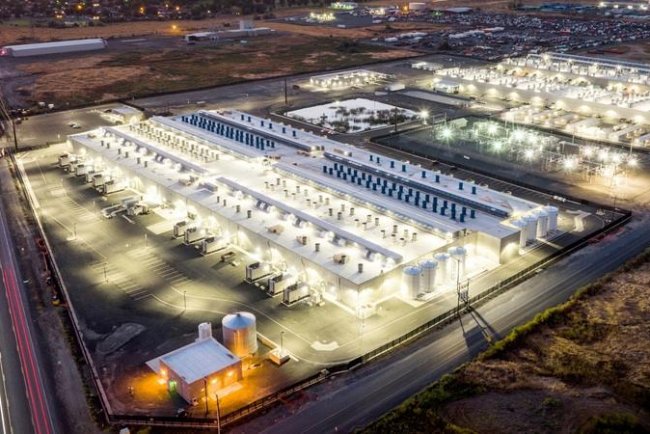
SAP and Climeworks partner in 2025 to provide carbon removal solutions via direct air capture, aiding corporate net-zero goals.SAP and Climeworks partner in 2025 to offer carbon removal solutions, integrating direct air capture with sustainability software.

SAP and Climeworks announced a partnership in 2025 to offer carbon removal portfolio management solutions, enabling businesses to offset emissions through direct air capture (DAC). The collaboration integrates Climeworks’ technology with SAP’s sustainability software, supporting corporate net-zero goals. This initiative reflects growing demand for scalable carbon removal strategies.
Climeworks, a leader in DAC technology, captures CO2 from the air and stores it underground, offering permanent carbon removal. SAP’s Green Ledger and sustainability platforms will integrate Climeworks’ services, allowing companies to track and manage carbon offsets in real time. The partnership, announced in June 2025, targets industries like technology and manufacturing, where emissions are significant.
The solution enables businesses to measure Scope 1, 2, and 3 emissions, set reduction targets, and purchase verified carbon removal credits. Climeworks’ DAC facilities, such as its Iceland plant, remove 36,000 tonnes of CO2 annually, with plans to scale to 1 million tonnes by 2030. SAP’s software ensures transparency, aligning with ISSB and EU reporting standards.
The partnership addresses the high cost of DAC, which ranges from $600 to $1,000 per tonne, by streamlining procurement and reporting. It supports corporate commitments to net-zero, with over 1,000 companies globally pledging carbon neutrality by 2050. Challenges include scaling DAC infrastructure and ensuring affordability for smaller firms.
Conclusion
The SAP-Climeworks partnership offers a robust solution for corporate carbon removal, combining DAC with advanced software. By enabling transparent offset management, it supports global net-zero goals. Scaling technology and reducing costs will be critical to broadening its impact.
Source: ESG Today
What's Your Reaction?