Saudi Arabia’s plastic recycling market, valued at $308.69 million in 2025, is growing rapidly, driven by Vision 2030 and advanced recycling technologies.Learn about Saudi Arabia’s expanding plastic recycling market, its role in Vision 2030, and the technologies driving sustainability in waste management.
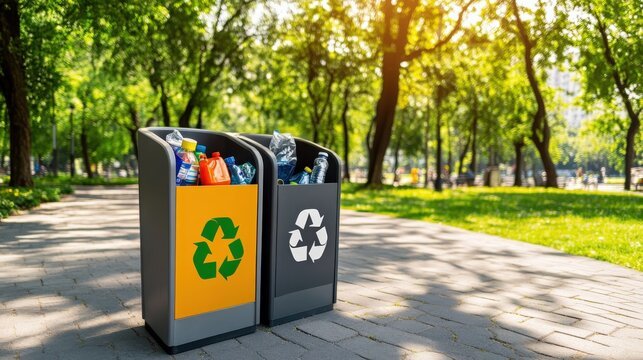
Fuelled by Vision 2030 targets to diversify the economy and make sustainability paramount, Saudi Arabia's plastic recycling sector is growing quickly. Investment in legislation to cut down on plastic trash and recycling infrastructure would help the market—estimated to be valued at $308.69 million in 2025—to burst by 2030.
Plastic trash is a global worry that Saudi Arabia is attempting to solve via an expanding recycling sector. Given its enormous population and industrial activity mostly in construction and packing, the nation produces a lot of plastic trash. Consistent with its Vision 2030 aim to lower oil dependence and promote environmental sustainability, the government has introduced initiatives aimed at boosting recycling rates. Estimated at $308.69 million in 2025, the plastics recycling sector is projected to expand at a compound annual rate of 7% between now and 2030.
Investments in innovative recycling techniques including pyrolysis and chemical recycling—which transform plastic waste into reusable goods—are a major driver of this expansion. These techniques let mixed polymers—sometimes difficult to mechanically recycle—be processed. One of the main causes of plastic trash, the packaging industry is a primary target as companies use recycled materials to satisfy consumer need for sustainable goods and legal standards. Recycling plastics is also done in the building and car sectors, hence lowering demand for new materials.
Government actions determine this growth. Saudi Arabia has passed rules to promote recycling and decrease single-use plastics. Incentives for companies putting money in recycling facilities have drawn both local and international corporations. For example, overseas companies have helped to build major recycling facilities in cities like Riyadh and Jeddah. These plants govern the market since they handle polyethylene, polypropylene, and PET polymers.
The need for improved public awareness and waste management systems is among the challenges. Often rural regions without recycling infrastructure need customer behavior change concerning garbage management. Notwithstanding these obstacles, Saudi Arabia's dedication to sustainability helps its plastic recycling industry be a major player in regional environmental initiatives. Particularly in technological innovation and waste management, the expanding markets help create employment supporting economic diversity.
Conclusion:
Driven by Vision 2030 and investments in cutting-edge technologies, Saudi Arabia's plastic recycling market is projected to expand sharply. Though problems still exist, the nation's emphasis on sustainability and economic diversification is changing its attitude toward plastic waste, thereby modeling for the area.
Source: GlobeNewswire
What's Your Reaction?