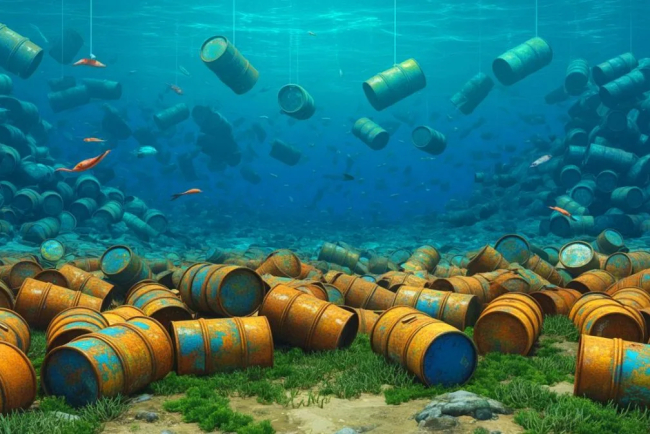
Scientists in Germany have discovered fungi that can digest polyurethane plastics. While not a complete solution, this could help manage waste in controlled environments like treatment plants. The fungi’s limitations and the global scale of plastic pollution underline the need for reduced plastic production and international policy action.
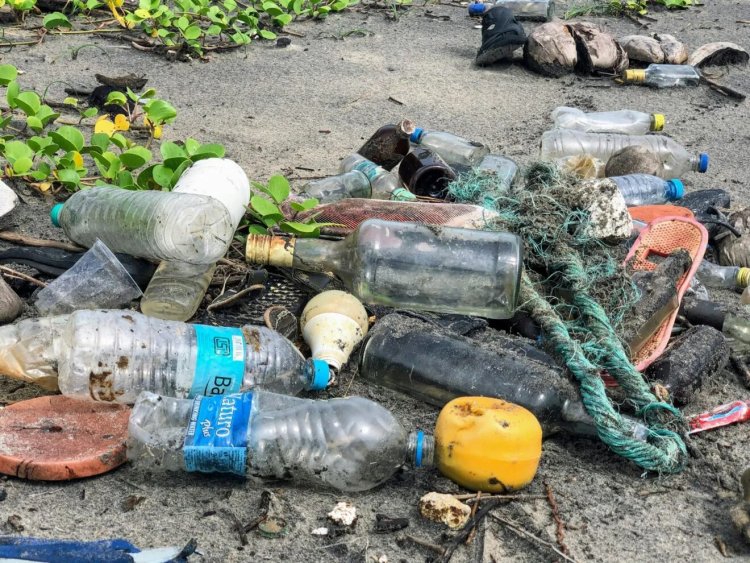
Scientists have discovered microfungi that can degrade synthetic plastics in possibly a new battle against plastics pollution. Scientists at Leibniz Institute of Freshwater Ecology and Inland Fisheries in Berlin researched samples from the freshwater Lake Stechlin in northeast Germany. What they discovered was that certain fungi are able to grow by degrading just plastic objects, or polyurethane, with no additional nutrients.
Of the 18 microfungal strains, four have the ability to degrade polyurethane, a common plastic in construction foam, among other applications. The fungi are subject to other plastics such as polyethylene, a common application in plastic bags, and microplastics due to tyre wear. The vulnerability is attributed to the introduction of heavy metals and other chemicals into the breakdown process.
The study shows how the fungi have adapted to live in environments that are polluted by applying the mechanism of using synthetic material to their advantage. The biodegradation potential of the fungi was noted to build biomass with plastic completely as a carbon source, offering a possible use for the biodegradation of plastics waste that is non-recyclable. The activity of the fungi is, however, largely governed by environmental conditions like temperature, humidity, and the presence of nutrients.
At present, these fungi are more suitable for use in controlled systems like industrial waste treatment plants but not for open natural systems. Fungi like these have a slow decomposition rate and sensitivity to the environment and hence are not suitable for mass application in oceans or forests. In addition, plastic degradation by fungi leads to the emission of carbon dioxide, and concerns are raised concerning its environmental impacts and request cessation of plastic into ecosystems in the first place.
Plastic pollution is still an ongoing ecological concern. Production of plastic around the globe increased from 1.7 million tonnes in 1950 to some 400 million tonnes in 2022. Despite more awareness and recycling, plastic waste is being recycled in merely nine per cent of all plastic waste in the world. The remaining most goes to pollute land, rivers, seas, and even food chains. Microplastics have already been discovered in water sources, aquatic life, and even in the human body, and sustainable practices for waste management are called for.
The fungus that consumes plastic is called Ideonella sakaiensis. It has also been found on an increasing list of biological solutions researchers are studying to undo plastic pollution. Researchers already discovered a species of bacteria called Ideonella sakaiensis capable of decomposing PET (polyethylene terephthalate), or the plastic found in water bottles. The bacteria are promising yet have not yet been mass deployed and only for certain plastics.
Other than the natural degradation, scientists also create self-destructing plastics with the help of microbes that are embedded in them. The "self-digesting plastics" will degrade better once they have served their function, generating less waste for the planet. All these technologies, nonetheless, are currently in the conceptual stage and are not yet implemented.
Experts warn that biotechnology will help contain waste but is not the answer to the prevention of the use of plastics and plastic manufacturing. The actual challenge is to reduce the manufacture of plastic wastes in the first place. Solving the problem at the source level—reducing manufacture and promoting eco-friendly alternatives—is found to be a better response to implementing technological or biological solutions.
Global leaders are currently negotiating to sign the historic global plastic pollution treaty. The last round of negotiations will take place later this year in South Korea. The treaty is likely to establish legally binding plastic reduction goals and better waste management worldwide. It is hoped that global action, combined with new technologies such as plastic-eating fungi, will produce a more holistic and sustainable response to the crisis.
Fungi and other microorganisms will continue to be studied in response to this broader research agenda to create biologically friendly waste treatment systems. Because not a silver bullet, these findings can complement existing systems and provide specialized assistance to degrade plastics otherwise unrecyclable. Their true potential may eventually stem from deployment into engineered waste plants specifically crafted to degrade targeted materials in controlled settings.
In short, finding plastic-degrading fungi in Germany is a valuable though limited means of helping to manage synthetic waste through regulation. It is successful because it mimics nature and is well placed for managed waste management environments rather than for unmanaged open-air uses. As regulations tighten around the world, technology and public behavior are modified, the fungi may become part of the multi-faceted solution to plastic pollution.
Source: Grant Brown, Published July 1, 2025
What's Your Reaction?