South Africa issues bond linking investor returns to verified water restoration and ecological outcomes
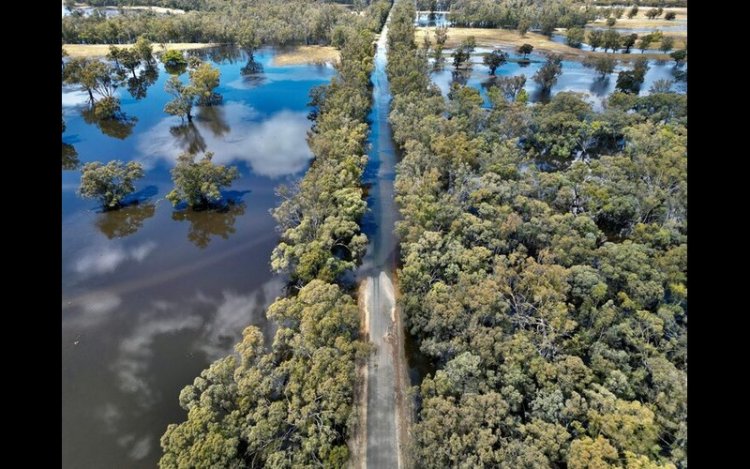
South Africa has made a significant move in environmental finance by launching a new nature-linked bond created by Rand Merchant Bank. This R2.5 billion ($135 million) bond ties investor returns directly to measurable ecological outcomes, focusing on improvements in water systems. This model puts nature-linked bonds, sustainable finance, water security, ESG investing, and natural capital at the forefront of modern capital markets. It signals a shift towards investments based on performance in the environmental sector.
The bond directs funding towards ecological restoration in the Western Cape, specifically targeting invasive plant species that harm water availability. By linking financial returns to confirmed environmental performance, this initiative sets a new standard for nature-linked bonds, moving beyond traditional green bonds to investment structures that reward measurable impact.
A New Model for Financing Natural Capital
Unlike traditional green bonds that fund eco-friendly projects without guaranteed results, this nature-linked bond connects investor returns to the success of restoration efforts. The better the outcomes, like increased water flow into dams, the higher the returns for investors.
This approach reflects a wider change in ESG finance. Ecosystems are increasingly seen as investable assets rather than just charitable efforts. By embedding ecological performance into financial structures, the bond incentivizes environmental success, aligning investor interests with sustainability goals.
The project focuses on removing invasive plant species in crucial water catchment areas. These areas, termed Strategic Water Source Areas, make up only about 10 percent of South Africa's land but provide about 60 percent of its water and support nearly two-thirds of economic activity. Restoring these ecosystems is not only an environmental priority but also an economic necessity.
Scientific Rigor and Verified Outcomes
A key strength of the bond is its focus on independent verification and scientific credibility. The Nature Conservancy has contributed ecological expertise, ensuring that restoration strategies are based on solid science.
Conservation Alpha has been selected as the independent design and technical agent to validate performance metrics. This ensures that financial returns are tied to credible, measurable results, boosting investor confidence and transparency.
The verification framework is crucial to the bond’s credibility. By clearly showing environmental impact, the model builds trust among investors and sets a standard for scaling nature-based finance globally.
Blended Finance Unlocks Investment Scale
The bond is supported by a diverse group of public, private, and philanthropic stakeholders, showing how blended finance can mobilize capital. FirstRand Bank served as the issuer and project agent, while Ashburton Investments came on board as an investor.
Key backing came from organizations like the International Finance Corporation and FSD Africa Investments, along with support from pension funds and private investment groups.
Philanthropic funding helped lower risk and attract private capital. The FirstRand Foundation pledged R50 million over five years, matched by the Development Bank of Southern Africa. Further backing from foundations and private entities bolstered the financial structure, allowing for broader participation.
Balancing Risk and Impact
One of the most appealing aspects of the bond is its ability to balance financial security with environmental outcomes. Investors have exposure to a high-quality investment while benefiting from performance-linked gains related to ecological success.
This structure is likely to attract a wider range of institutional investors, especially those wanting to incorporate sustainability into their portfolios without sacrificing risk management. By linking environmental impact with financial rewards, the bond provides a strong value proposition for today’s investors.
Implications for Global ESG Markets
The launch of this nature-linked bond marks a pivotal moment in how we finance environmental challenges. As climate risks increase and water scarcity becomes more pressing, capital markets are recognizing ecological performance as a key driver of long-term economic value.
For corporate leaders and investors, this transaction offers a scalable model for including nature in financial strategies. Rand Merchant Bank plans to replicate this model in other priority catchments, potentially opening up new avenues for investable natural capital assets.
The overarching message is clear: nature is no longer an afterthought in economic systems. It is becoming a vital part of financial infrastructure, with measurable outcomes driving both environmental and economic benefits.
What's Your Reaction?