New research from The Ohio State University shows that some bottled water brands contain significantly higher levels of microplastics and nanoplastics than treated tap water, raising questions about long-term exposure and water safety.
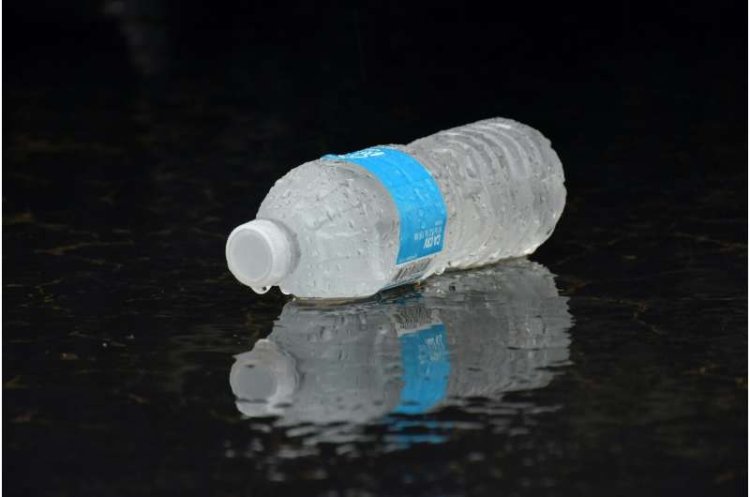
Bottled water may seem like a less toxic and safer option than tap water, but new research has indicated otherwise, at least for some bottled water brands, regarding contamination with plastics. A recent study by researchers from The Ohio State University demonstrated that certain brands of bottled water may contain significantly higher amounts of microplastics and nanoplastics compared to treated tap water.
Microplastics (small plastic shards generated from the degradation of larger pieces of plastic) and nanoplastics (even smaller particles that are not detectable by standard means) are presently found in all environments (such as rivers, lakes, and drinking water), and people who are regular users of bottled water may have concerns about the implications of this type of long-term exposure.
Comparison Between Bottled Water and Treated Tap Water
To explore the variation of plastic contamination, researchers sampled tap water used for drinking from four Lake Erie treatment plants and sampled water from six bottled water brands available for sale in the US. These samples were analysed for plastic contamination.
The results indicate that bottled water contains approximately three times more nanoplastics compared to treated tap water.
Researchers believe the large percentage of plastic contamination found in bottled water is primarily due to the type of plastic used for its packaging. Many of the plastic compounds present in bottled drinking water were the same as those materials commonly associated with the production of plastic bottles and their caps.
On the other hand, treated drinking water was shown to have evidence of microplastic contamination. However, due to the complicated nature of the sources of these microplastics, it remains unclear which specific environmental sources caused them to enter drinking water systems before treatment.
New Testing Methods Uncover Plastic Contaminants in Drinking Water
Nanoplastics have been overlooked due to their extremely small size and are therefore difficult to detect using conventional laboratory testing techniques. In this study, scientists utilised a combination of scanning electron microscopy and optical photothermal infrared spectroscopy to demonstrate the presence of plastic particles much smaller than those reported in earlier studies.
Analysis using these advanced tools indicated that over half of the plastic particles identified in drinking water were likely nanoplastics. This suggests that previous studies estimating plastic contamination levels may have significantly underestimated the amount of contamination, as earlier research focused primarily on measuring larger plastic particles (microplastics).
What This Means for Health and Exposure
The health effects associated with the consumption of microplastics and nanoplastics are still not known. Nonetheless, scientists suggest that nanosized particles can pass through biological membranes more readily than larger microplastics.
Although there is no definitive evidence of the health impacts of nanoplastics exposure, some researchers agree that limiting unnecessary exposure is a valid precaution. Based on the findings of this study, treated tap water may be safer than bottled water in terms of exposure to plastic particles.
Implications for Water Treatment and Research
This study adds to the emerging body of evidence supporting further research into how nanoplastics enter drinking water systems and how effectively existing treatment systems can remove them. Additionally, understanding what materials are present in drinking water and how they behave could enable better design of targeted water treatment systems in the future.
Researchers suggest that incorporating nanoplastics into routine water quality assessments may provide a more accurate picture of contamination levels. This approach could support the development of more effective strategies to manage plastic pollution in drinking water supplies.
Source:
Science of the Total Environment; Megan N. Jamison Hart et al., “What’s in your water? A comparative analysis of micro- and nanoplastics in treated drinking water and bottled water” (2026)
What's Your Reaction?