New research suggests houseplants may have a limited impact on improving indoor air quality in real-world home environments despite long-standing claims about their air-purifying benefits.
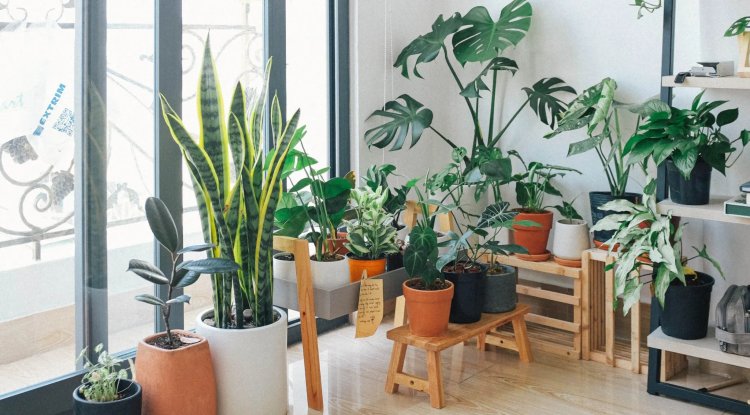
According to recent research, houseplants might not have any significant influence on improving indoor air quality at home.
The research concluded that although plants could absorb some air contaminants in laboratory conditions, their contribution to air cleaning in homes and offices was insignificant compared to air ventilation and filtering systems.
According to scientists, many claims regarding the capability of indoor plants to clean the air are based on experiments carried out under artificial conditions rather than real-life situations.
Air pollution indoors is a problem of great importance, especially in urban areas where people spend a lot of time indoors. Sources of indoor air pollution include cooking, household chemicals, paints, building materials, and inadequate ventilation.
The research looked into previously published scientific literature concerning the relationship between plants and indoor air quality. It concluded that an enormous number of plants were required for the effect to be noticed indoors.
Scientists who took part in the research say that adequate air ventilation is a more efficient way to solve problems related to indoor air quality than using plants.
Moreover, the study shows that some assertions about the air-purifying abilities of plants gained wide acceptance regardless of the lack of sufficient proof in real-life environments. The comparison between laboratory conditions and occupied indoor premises was conducted in the course of the study.
Even though the results cast doubt on the significance of the air purification effects of the indoor plants, scientists believe that such plants can offer additional benefits, such as aesthetic pleasure and reduction in stress.
Air quality is an issue that has attracted increasing interest from researchers in recent years due to its adverse impact on people's health. Scientists claim that the reduction in pollutant sources and improvement of ventilation are still the most effective ways of addressing the problem.
This study adds to the ongoing debate in the sphere of environmental health, particularly regarding the issue of indoor air quality and the discrepancies between laboratory conditions and reality.
Scientists suggest that further research can shed light on the significance of plants for indoor air quality; however, current scientific evidence does not support this idea.
What's Your Reaction?