Himachal Pradesh has banned PET water bottles of 500ml or less at government functions and in hotels from 1 June 2025 to curb plastic pollution. The regulation mandates sustainable alternatives and imposes fines for violations, aligning with the state’s wider environmental goals.
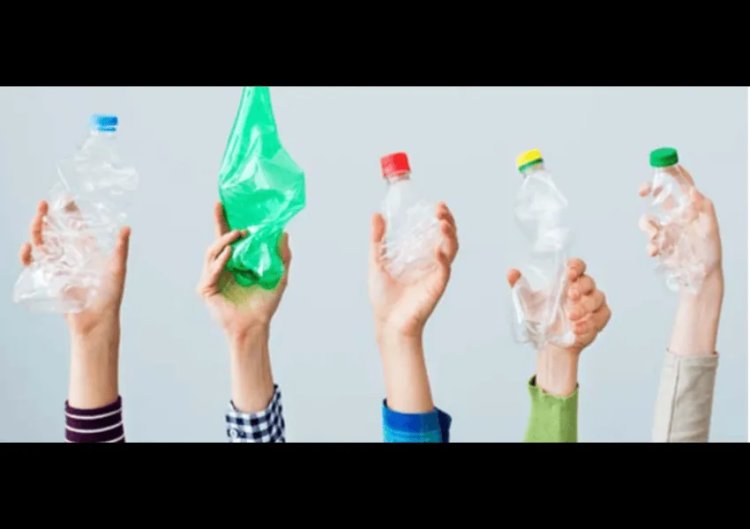
The government of the state of Himachal Pradesh has introduced a new law prohibiting the use of polyethylene terephthalate (PET) water bottles with a capacity of up to 500 milliliters in government enterprises and the hospitality industry. The legislation will come into force from June 1, 2025 as part of the efforts of the state to minimize plastic pollution and increase environmental sustainability in its ecologically vulnerable areas.
This prohibition is enforced under Section 3-C(1) of the Himachal Pradesh Non-Biodegradable Garbage (Control) Act, 1995, as amended in 2023. The objective of the prohibition is particularly on the widespread use of small plastic bottles, which create a vast amount of single-use plastic waste. The prohibition is enforced on all indoor government official meetings, conferences, and events organized by state government departments, boards, and corporations. It also covers government-owned and privately managed hotels within the state of Himachal Pradesh, including those managed by the Himachal Pradesh Tourism Development Corporation (HPTDC).
Instead of using such throw-away bottles, organisers and event venues have been instructed to use more eco-friendly alternatives. These include glass bottles, steel canisters, and the use of water dispensers or water kiosks. Through such a transition to reusable and biodegradable items, the state feels it can minimize its environmental impact, particularly on land that is vulnerable to ecological degradation.
For compliance, the government has imposed a penalty of ₹500 to ₹25,000 for non-compliance with the ban. Individuals and institutions would be held responsible for these penalties for non-compliance. The state has also made environmental responsibility inclusive by extending the transport sector within it. All public and private transport vehicles like taxis and tourist coaches will have to be fitted with dustbins. Penalty for not installing dustbins will be ₹10,000 and penalty for incorrect disposal of biodegradable waste will be ₹1,500.
Himachal Pradesh has been renowned right through for making attempts to keep nature intact and achieve ecological equilibrium. Since tourism is the backbone of the state economy, the government has come to prioritize ensuring that development go hand-in-hand with sustainability its ever-growing imperative. The new initiative aligns with this vision in that it tries to tackle the problem of plastic waste, especially in the form of disposable packaging materials commonly used in tourism operations.
Plastic litter in hilly areas such as Himachal Pradesh is exacerbated by inadequate waste management facilities and environmental vulnerability of the place. Plastic littering, particularly in tourist places, results in landscaping waste, clogging of drains, and wildlife degradation. With more and more tourists continuing to visit year after year, plastic waste production is increasing increasingly. This bill seeks to turn that around at its source — the presence of disposable plastic containers in public events and in the hospitality sector.
The reality of this prohibition also shows increasing public and governmental concern about the price of convenience to the environment. Single-use plastics may be ubiquitous for their price and convenience but are themselves long-term dangers to land, water, and air. Limiting their use in institutional and business settings is a step toward establishing a model for larger changes in citizen and business behaviors.
The sanctions introduced are a deterrent and are certain to bring about compliance through and through. Transport operators, for instance, now have an explicit mandate to assist in keeping the environment tidy by means of provision of waste bins. This is also a step towards instilling a sense of shared responsibility to manage waste in public and private space.
Although the responsibility of this act lies on plastic bottle usage, it is part of a complete series of environmental programs that the state has been undertaking. They consist of plastic bag usage control drives, campaigns for waste segregation drives, and initiatives to encourage green-packaging use in the urban as well as the rural regions. Even the state government has been seeking decentralised treatment facilities for wastes and public participation for clean-up operations to impart cleanliness in cities, villages, and tourist areas.
The long-term impact of policies of this nature is expected to be twofold: the short-term reduction in plastic trash and altering the cultural lifestyle towards green practices. By targeting formal events and hospitality establishments, the government is also conveying the message that the institutions' role cannot be overlooked when tackling climate and waste issues.
In the future, the challenge would be to provide alternatives to PET bottles as available, affordable, and desirable. For instance, event organizers and hotels will have to be assisted or instructed on how to source and maintain glass or stainless steel vessels. Likewise, tourists will have to be informed of the availability of water kiosks and the necessity for the use of reusable vessels.
The prohibition also has severe consequences for scalability. The rest of India, specifically tourist states with delicate environments, might copy Himachal Pradesh in building its own anti-plastic waste regulations. If imitation gets out of control, it has the power to spark end-to-end reforms and additional private sector investment in green lifestyles.
With regulatory norms in place and penalties for non-compliance set, Himachal Pradesh is moving proactively towards conservation of the environment. The decision to ban 500ml plastic water bottles is an extension of a larger intent towards good governance, ecological equilibrium, and the well-being of people.
Source: EE News Desk
What's Your Reaction?