Ludhiana Leads Sustainable Farming Drive to Eliminate Stubble Burning
Ludhiana district launches a large-scale initiative offering machines, subsidies, and eco-friendly methods to eliminate stubble burning and promote sustainable agriculture.
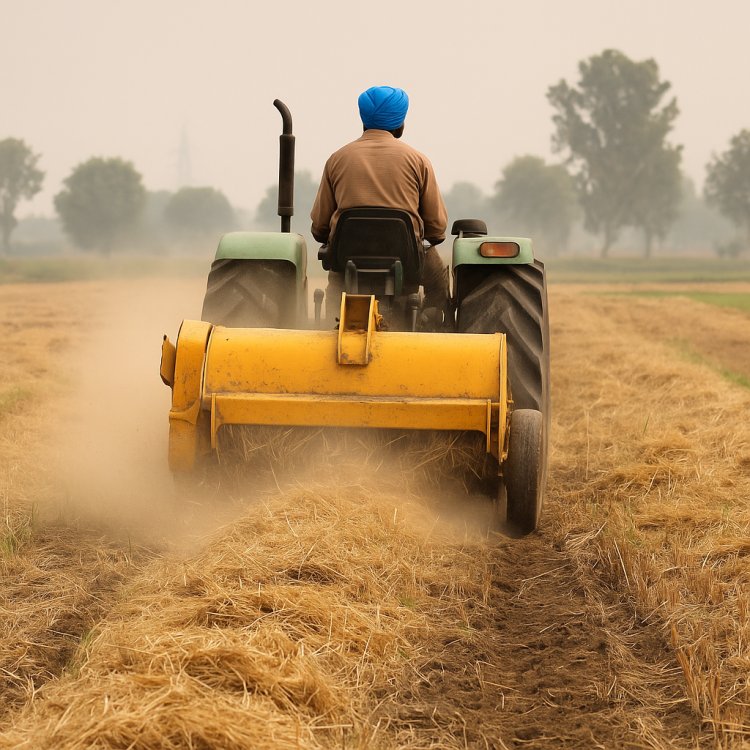
The Ludhiana district administration has launched an extensive drive to eradicate stubble burning and make the district free from stubble burning in the coming kharif paddy harvest season. Recognizing stubble burning as a major environmental problem, mainly the paddy harvest season, officials are taking various steps to support farmers with sustainable alternatives.
Under the scheme, the government is offering crop residue management (CRM) machinery such as Happy Seeders, Super Seeders, Mulchers, Rotavators, and Zero-Till Seeders. With the help of these machines, farmers can manage remaining paddy straw on the field itself, reducing the burning of the same. Farmers are being encouraged to take advantage of the scheme that offers up to 80% subsidy for buying these machines. Additionally, the special employment centres will be equipped with CRM equipment so that small and marginal farmers can rent the machinery at affordable rates.
For generating awareness, the district is undertaking mass outreach campaigns at the village level. These campaigns attempt to make farmers aware of the harmful impacts of stubble burning on the health of people and the environment and to promote available substitutes. Field officers at both the block and the village level have been mobilized for implementing monitoring and enforcing compliance of farmers with good straw management practices.
The govt is encouraging ecofriendly agriculture practice to address the problem and for that govt is urging the adoption of Direct Seeding of Rice (DSR) techniques and use of PUSA bio-decomposer, which is a microbial solution that naturally decomposes crop stubble in the soil and converts it to compost instead of waste.
This joint venture is reflective of the district's commitment to reducing pollution, improving soil health, and promoting sustainable agriculture. If put into action, Ludhiana would become an example for other Punjab districts and districts in the nation as a whole in restricting stubble burning.
The burning of stubble is the biggest cause of air pollution in Punjab and nearby states, particularly in the months of October and November. Ludhiana is making efforts its own significant not only at the level but at the level of the country, as it aligns with India's larger environmental and climate objectives. The success here may spur replication elsewhere in the country, with a ripple effect of promoting greener and cleaner agriculture practices.
What's Your Reaction?