Switzerland’s river cleanup is a global example of transforming polluted waterways into clean, swimmable rivers through strict laws, advanced sewage treatment, and cultural commitment. This article explores how sustained investment and innovation in wastewater treatment, including micropollutant removal, have led to one of Europe’s best water quality records.
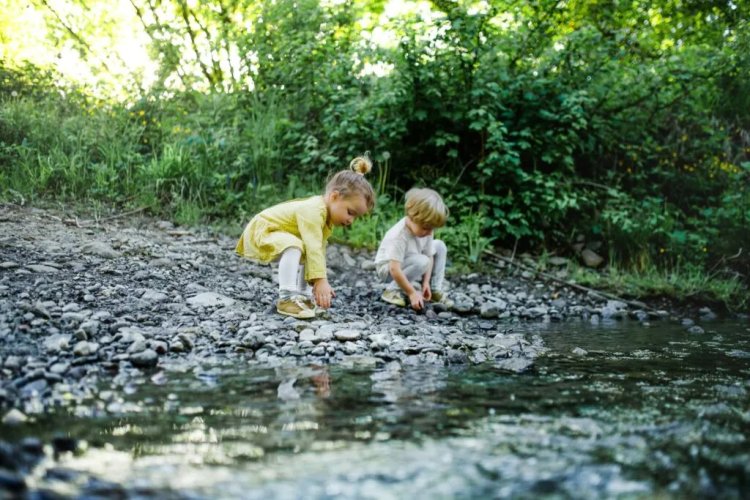
Switzerland's path from contaminated waterways to clean lakes and rivers is a remarkable illustration of environmental success. Severe water pollution plagued the nation in the 1960s, with raw sewage and industrial waste polluting rivers and lakes and rendering swimming risky. Once dangerous, these waters have become clean, safe areas for families and swimmers, showing what long-term dedication to environmental preservation can accomplish.
This radical transformation started in Zermatt, a mountain resort village, after a fatal typhoid outbreak in 1963 resulted in several fatalities and hundreds of cases of sickness due to contaminated water. The Swiss government took action in response to this public health catastrophe, which resulted in the enactment of tough wastewater regulations in 1971. These laws required the building of contemporary sewage treatment facilities and guaranteed long-term financing to keep them running.
Back then, just 14% of Swiss people were linked to systems for treating wastewater. This number today is a remarkable 98%. Consequently, rivers formerly smelling terrible and carrying health concerns now form the core of social and recreational life in Swiss cities such as Geneva and Zurich. People swim, fish, and picnic by these pristine waterways, which emphasizes the effectiveness of Switzerlands long-term environmental funding.
Although polluted rivers are a worldwide issue, Switzerland's strategy provides useful ideas. Many nations still have difficulty with severely polluted waterways, which jeopardizes public health as well as fauna. Three quarters of UK rivers, for instance, do not fulfill minimum ecological criteria. Farm and water company pollution has killed fish and triggered hazardous algae blooms; several rivers are unsafe for swimming.
Conversely, Switzerland has among Europe's top records for water quality. Only five of 196 chosen swimming locations in 2023 fell short of European water quality criteria, a rate of less than 3%. Switzerland's significant expenditure in wastewater treatment, which averages 174 ($220) per person every year, mostly accounts for this. England and Wales, by contrast, spend about half that sum, 90 ($113) per capita.
Advanced sewage systems and a demanding treatment procedure will determine the country's success. Before being returned into the environment, wastewater from households, companies, and industries goes through several treatment processes. Big things like trash and lost items are taken out first. Then, fats and sand that could hurt pipes or make the water less clear are taken out. Biological treatments use bacteria to break down organic matter, and finally, activated charcoal filters absorb chemical pollutants that earlier stages often missed.
The treatment of micropollutants—small amounts of medicines, personal care products, and industrial chemicals that standard sewage treatment cannot totally remove—is one of the main developments in Switzerland's wastewater handling. Switzerland was the first nation in the world to mandate by law that sewage treatment facilities remove these micropollutants. Many treatment centers have been renovated with activated charcoal filters meant to absorb these invisible yet possibly dangerous chemicals ever since a 2016 law was passed.
While these filters eliminate around 80% of micropollutants, some chemicals such as PFAs (often referred to as forever chemicals) stay in the environment as they are resistant to breakdown. To further enhance water quality, Swiss authorities are presently trying to prohibit the use of the most persistent pollutants.
The country's dedication to clean water goes beyond legislation and technology to mirror a deep cultural respect of environmental stewardship. Swiss people largely support the continuous funding of initiatives to safeguard water, and politicians from all parties concur on its need. Switzerland has been able to keep and grow its investment in sewage treatment over decades because of this national agreement.
This cultural and environmental awareness transforms daily life in Swiss towns. People often swim in rivers during lunch breaks, retirees get together to socialise near the water, and families enjoy safe, clean things to do on the lakeside. These waterways have turned into treasured public resources that support community and well-being.
Beyond leisure, the positive effects include improved public health, support for wildlife, draw for tourists, and enhanced quality of life. Switzerlands experience also shapes international policy. Officials and experts from nearby European nations have visited Swiss facilities to learn best practices. Following Switzerlands lead, the European Union has adopted similar micropollutant filtering standards for major treatment plants, to be completely implemented by 2045.
Notwithstanding this development, several nations lack thorough strategies to address micropollutants. Although there is no nationwide policy to handle the problem, research have revealed high levels of pharmaceutical residues in several of the UK's protected waterways, for instance.
Effective preservation of water resources requires considerable financial support and political will, as evidenced by Switzerlands river cleanup. Although the expenditures can be significant, society, biodiversity, and human health all stand to gain significantly. More nations might have to decide on investments in water infrastructure as growing worldwide problems including pollution and climate change worsen.
The Swiss case serves as a sobering reminder: clean water is a public benefit needed for vibrant communities, not only an environmental objective. It is possible to restore rivers to their natural, life-giving condition by means of persistent work, unambiguous laws, and a society that respects nature. Even extreme pollution may be reversed.
What's Your Reaction?