Flash floods in Texas have claimed over 80 lives in early 2025, exposing vulnerabilities in infrastructure and highlighting the growing threat of climate-driven extreme weather events.Texas faces severe flash floods after torrential rains in early 2025, resulting in at least 80 deaths and widespread damage. With emergency operations underway and infrastructure overwhelmed, the disaster highlights the urgent need for climate resilience, improved flood defenses, and long-term adaptation strategies.
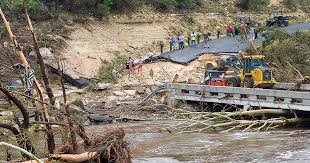
Texas is reeling from devastating flash floods caused by heavy rainfall, leading to significant loss of life and ongoing rescue efforts. The disaster has highlighted the growing impact of extreme weather events in the region.
In early 2025, torrential rains triggered flash floods across Texas, claiming at least 80 lives, including 28 children, with dozens still missing. The floods, concentrated in low-lying areas, swept away vehicles, homes, and infrastructure, causing widespread disruption. Emergency services, including local and federal teams, are working to locate missing individuals and provide relief to affected communities. The state’s emergency response system has been stretched, with damaged roads and communication networks complicating rescue operations.
The floods are part of a broader pattern of extreme weather linked to climate change, which has increased the frequency and intensity of heavy rainfall events. Texas has faced similar disasters in recent years, with rising temperatures and altered precipitation patterns contributing to both floods and droughts. The state’s infrastructure, particularly in urban areas, struggles to cope with such events, raising concerns about preparedness and resilience.
Economic losses are still being assessed, but early estimates suggest significant damage to homes, businesses, and public infrastructure. The agricultural sector, a key part of Texas’ economy, has been hit hard, with flooded fields and lost livestock. Recovery efforts will require substantial investment in rebuilding and strengthening infrastructure to withstand future disasters.
The federal government has pledged support, with plans for a high-level visit to assess the damage and coordinate aid. Community organisations are also mobilising to provide food, shelter, and medical assistance to displaced residents. However, the scale of the disaster underscores the need for long-term strategies, such as improved flood defenses and urban planning that accounts for climate risks.
Texas’ recent floods highlight the urgent need for climate adaptation measures. As extreme weather events become more common, proactive planning and investment will be essential to protect lives and livelihoods.
Source: Outlook Business
What's Your Reaction?