A breakthrough friction-based recycling technology offers a sustainable solution to lithium-ion battery disposal, recovering 98% of materials without toxic byproducts. As EV adoption rises globally, including India’s target of 30% penetration by 2030, this zero-waste method reduces mining reliance and emissions. The technology could transform India’s informal recycling sector, cut battery costs, and support climate goals. Scaling requires investment, regulatory support, and public-private partnerships, aligning with the global push for a circular economy and net-zero emissions.
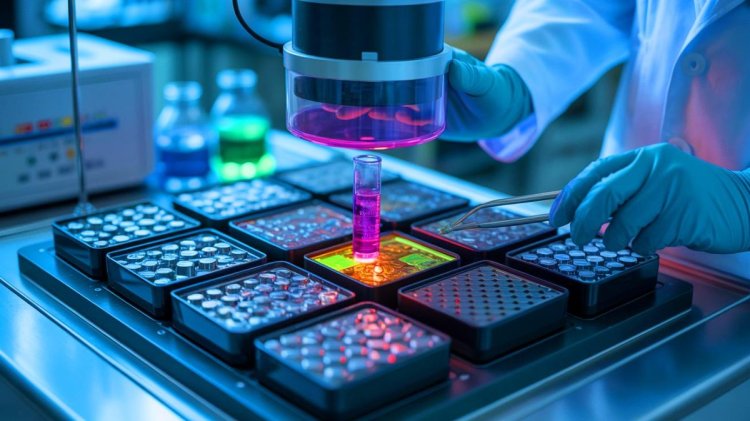
Scientists have developed a friction-based technology to recycle lithium-ion batteries without waste or toxic byproducts, offering a breakthrough for sustainable energy. The process recovers 98% of lithium and other materials, reducing reliance on mining. With global EV sales projected to hit 17 million by 2030, this technology addresses the growing challenge of battery disposal. India, aiming for 30% EV penetration by 2030, could benefit significantly. Scaling the technology requires investment, but it supports global net-zero goals by minimizing environmental impact.
Lithium-ion batteries power EVs, smartphones, and renewable energy systems, but their disposal poses environmental risks. Traditional recycling methods produce toxic waste and recover only 60% of materials. The new friction-based process, developed by researchers, uses mechanical energy to separate lithium, cobalt, and other components, achieving near-total recovery. This reduces the need for mining, which emits 74 kg of CO2 per ton of lithium. In India, where EV adoption is rising, battery waste is projected to reach 70,000 tons annually by 2030. The technology could transform India’s recycling industry, supporting sustainability.
The process involves grinding batteries into fine particles, using friction to separate materials without chemicals. Recovered lithium can be reused in new batteries, cutting costs by 20%. Globally, battery recycling could save $10 billion annually by 2030. In India, where 90% of batteries are informally recycled, causing pollution, this technology offers a cleaner alternative. It aligns with India’s National Mission on Transformative Mobility, aiming to localize battery production. The process also reduces health risks from toxic leaks, protecting workers and communities near recycling sites.
Economic benefits are significant. Recycled materials reduce reliance on imports, saving India $1 billion yearly. The technology creates jobs in recycling facilities, with India needing 10,000 workers by 2030. However, scaling requires $500 million in investment for infrastructure. Public-private partnerships, like those in Toronto’s greening program, could fund this expansion. The weaker US dollar, down 10% in 2025, may increase equipment costs, but long-term savings from reduced mining outweigh initial expenses. India’s collaboration with the UAE on energy projects could support technology transfer.
Challenges include regulatory gaps and informal recycling networks. India’s Battery Waste Management Rules 2022 mandate recycling but lack enforcement. The technology’s high initial costs may deter small recyclers, requiring government incentives. In the US, similar technologies face adoption hurdles due to regulatory inconsistencies. Global demand for lithium, projected to triple by 2030, underscores the urgency of scaling sustainable recycling. India’s push for 74 GW of renewable capacity by 2031 complements this technology, as recycled batteries can store solar and wind energy.
Environmental benefits align with global climate goals. The Paris Agreement’s 1.5°C target requires reduced mining emissions, which this technology achieves. In India, where landfills like Ghazipur emit methane, proper battery recycling could reduce pollution. The technology’s zero-waste approach contrasts with traditional methods, which generate 30% toxic sludge. Community awareness, as seen in Toronto’s greening efforts, is needed to support formal recycling systems in India, reducing health risks for informal workers exposed to hazardous materials.
Global adoption could set a new standard for battery recycling. Countries like China, recycling 50% of batteries, offer lessons for India. Technology sharing through initiatives like the International Solar Alliance could accelerate progress. However, competition for lithium resources and geopolitical tensions may hinder collaboration. India’s leadership in sustainable energy, supported by policies like the PLI scheme, positions it to adopt this technology, reducing environmental and economic costs of battery waste.
The friction-based recycling technology is a game-changer for sustainable energy. India’s adoption could reduce pollution, create jobs, and support EV growth. Investment and policy support are critical to scale this solution, aligning with global net-zero goals and fostering a circular economy.
What's Your Reaction?