Tijuana River Ranks Second on America’s Most Endangered Rivers List Amid Ongoing Pollution Crisis
The Tijuana River has been ranked the second most endangered river in the U.S. for 2025 due to decades-long pollution from untreated sewage and industrial waste. Environmental groups are calling for emergency action and binational cooperation to address the growing public health and environmental crisis.

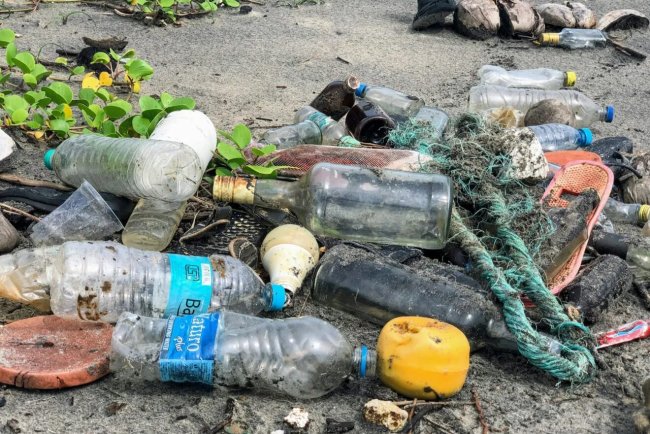
The cross-border polluted Tijuana River, the second most endangered river in the United States according to American Rivers' 2025 year-end list, is an impressive leap from ninth place last year and is the growing environmental and public health hazards caused by untreated sewage and industrial effluent flowing out of Tijuana into Southern California. The 120-mile river connecting Baja California to the Southern California Pacific Ocean is now a problem due to ongoing pollution affecting surrounding towns and coastlines. The listing tries to make apparent the lack of action on either side of the U.S.-Mexico border in addressing the issue in the correct way.
Tijuana River pollution has been closing Imperial Beach and other San Diego County coastal beaches repeatedly. Un-treated sewage commonly overflows American and Mexican failing and old sewage treatment plants. This has polluted the ocean water with contaminated water, which is not only unhealthy by direct contact, but also by ocean spray, which can bring pollutants into the air. A recently released report by the Department of Defense concluded that approximately 1,100 Navy SEALs and other soldiers got sick due to exposure to high levels of bacteria during training in and around contaminated water along the United States-Mexican border. The local residents also complained about the air pollutants such as hydrogen sulfide and other harmful gases, which created additional health complaints and respiratory risk. The American Rivers group identified the urgency to act immediately and additional federal money in order to address the chronic crisis.
Environmental groups like the Surfrider Foundation have also started campaigns, urging the U.S. government to declare a national emergency to move faster with funding and clean-up efforts. Mexico and America are being appealed to by activists to invest in fixing crumbling infrastructure, including the United States' South Bay International Wastewater Treatment Plant, which is dilapidated, and leaks and upgrades on the Mexican border. While recent activity, such as the construction of a new sewage treatment plant in San Antonio de los Buenos, suggests improvement, activists argue that concerted effort and extended funding by both countries are needed to create a true change. Pollution in the Tijuana River is not solely a matter of environmental degradation but a matter of public health and environmental justice.
The extended exposure to contaminated air and water has impacted the lives of individuals from nearby communities considerably. Respiratory disease, skin disease, and gastrointestinal illness are common complaints among residents. Residents of communities, joined by activists and demonstrators, marched while wearing respirators in recent public protests to shield themselves from the foul smells and poisonous air conditions of river valley areas. Demands for full monitoring of pollution affects, impact health assessment, and disclosure on the part of government agencies are growing strong, but targeted communities are still at the edge of health and safety issues with little institutional support. The environmental emergency of the Tijuana River has been compared to other well-known public health emergencies such as the Flint water crisis and is now being recognized as one of the most deeply rooted and poorly regulated cross-border environmental issues in North America.
Experts and activists argue that without federal prioritization in the short term, conditions will likely become increasingly worse, causing additional harm to human health and marine ecosystems. The inability to invest in a sustained fashion and binational coordination is considered the primary obstacle to change, with calls for additional official diplomatic negotiation between the Mexican and U.S. governments to make long-term solutions feasible. In general, elevating the Tijuana River to being the second most endangered river in the U.S. serves to illustrate an outdated pollution problem requiring immediate attention. Deterioration of water and air in the Tijuana River Valley still affects thousands of lives, and while recent efforts made strides, it falls short of its potential without the full cooperation of all, firm money, and clear action by federal, state, and local governments on both sides of the border. As activists continue to sound the alarm, the need for a well-funded, coordinated effort grows by the day.
Source: American Rivers / Phys.org
Credits: Ian James
What's Your Reaction?