Tradition On A Plate: How Sana-di-ge Blends Taste With Low-impact Practices
Sana-di-ge shows how small, traditional practices—from using banana leaves to reviving coastal food culture—can quietly cut waste and support biodiversity while keeping authentic flavours alive on the path to Net Zero
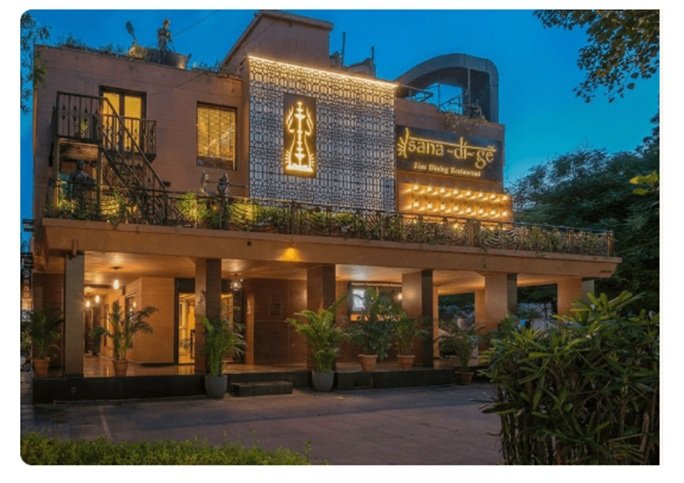
It is evident that when people come together with determination, they succeed. The same approach is needed across all sectors — whether hospitality, food, or manufacturing — to achieve Net Zero by 2070. All sectors have already tightened their belts to move in this direction, and restaurants are doing the same.. By procuring certified raw ingredients for their cuisine, many food companies are demonstrating their aim. But they have also realised that certification is insufficient on its own. Sana-di-ge, a Mangalorean cuisine food chain, is a tribute to the rich culinary heritage of India’s West Coast, where traditional recipes have been lovingly passed down through generations. It shows that buying certified produce is only the first step — some old, traditional practices must return if the industry wants to move towards a truly sustainable approach. As it is journey began with a simple yet profound philosophy – bringing the comforting flavours of home-cooked coastal delicacies to our guests.
They serve food in brass utensils with a green banana leaf laid on the plate. Brass has long been linked to healthy eating, and the banana leaf is fully biodegradable. By using leaves as tableware, they are eliminating the use of dishwashing liquids and dishwashers, saving water, and reviving a habit many southern households once practised without much thought. It is the combination that keeps the meal in the past while also reducing the waste often produced by the modern way of eating.
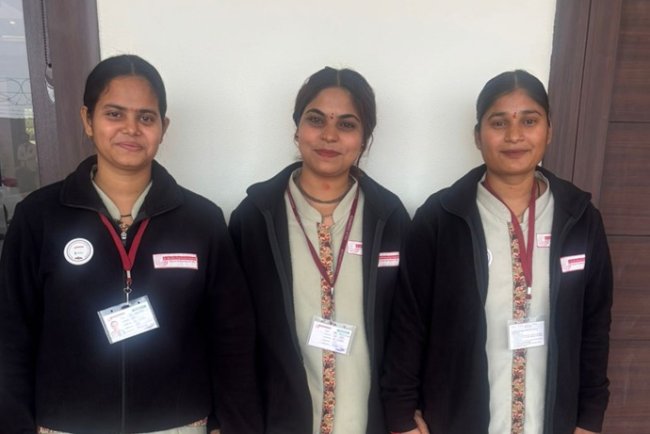
“Sustainability isn’t only about the ingredients we choose; it’s about returning to the old habits that respected the earth. When we serve food on brass plates and banana leaves, we are keeping our coastal traditions alive while cutting waste, saving water, and doing our bit for a cleaner future,” said Head Chef Sukesh. It promotes local biodiversity in addition to avoiding pesticides. Disposing of banana leaves at one restaurant may seem like a small step, but when it comes to achieving Net Zero, every step counts. How? Let’s understand it by a small example: when a banana leaf decomposes naturally in the soil, earthworms eat it and create additional vermicompost, the nutrient-rich organic matter that feeds the soil.
They have included several dishes that transport you straight to the southern region — not just in the way they are served, but in their taste as well. The dishes are not only flavourful but also carry clear health benefits. For example, drumstick soup is good for bone health. Today, many people buy moringa powder to fill that gap, but here it comes to the table in a simple bowl. Lotus stem is considered a superfood for the brain. Curry leaves, often called sweet neem, come with many health benefits, and SanaDiGe’s cuisine is incomplete without them. The restaurant follows traditional southern practices, keeping the same food culture alive in Delhi to offer an authentic taste.
SanaDiGe is one of the examples of balancing the act, where they are using Earth’s resources wisely and trying to balance their carbon footprint with these small gestures without compromising the taste and authenticity.
What's Your Reaction?