British manufacturers and trade unions are urging urgent government action, warning that high electricity costs are pushing production and jobs overseas and accelerating deindustrialisation
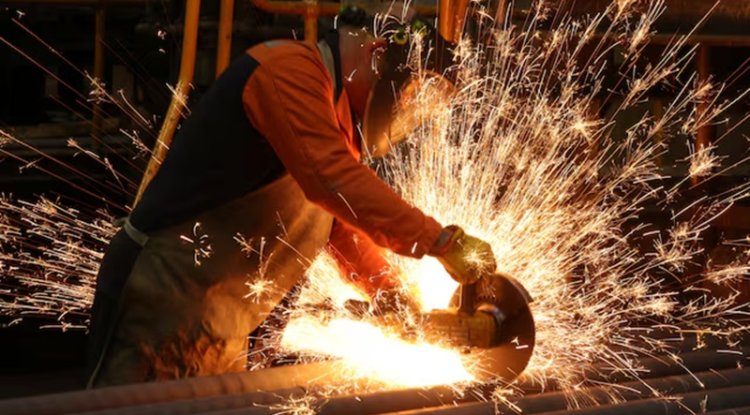
Britain's industrial base is under serious threat amid some of the world's highest electricity costs faced by local factories, Reuters reported. A strong joint statement from the main trade associations and major labour unions highlights that the UK is actively losing manufacturing jobs to overseas competition. An extensive Reuters investigation reveals that the domestic sector is sounding the alarm for a much broader deindustrialisation trend unless the government comes to their aid soon, and en masse. The impending crisis reveals a significant divide among the state's underlying economic goals and the short-term life-preserving priorities of local businesses, as more and more units of corporate production move to lower-cost markets.
The major concern for the companies is a recent wide-ranging survey by the British manufacturers' trade organisation Make UK. The data shows that, even though there have been several government energy policies promising the industry shelter, the situation for manufacturing companies across the country has not improved, with over half saying they have taken no benefit from the measures at all. Worse, the survey revealed that a quarter (25%) of manufacturers have already moved some of their production to other countries or are currently considering it in order to sustain their operations.
The slow shift in industrial location is another clear sign of the nation's energy crisis. Electricity prices for industry in the UK have been resiliently non-competitive for many years and are often twice the median of prices across the EU, and indeed the highest in the G7 countries. This huge difference in cost stunts the growth of domestic factories in international competition. The impact of the price squeeze is already being clearly felt, say financial analysts, with production in all the energy-intensive industries falling markedly and billions of pounds being wiped from the nation's gross domestic product.
The British government has adopted a targeted approach to industrial policy to reduce the cost of power for the most energy-intensive industries by lifting some of the environmental and green taxes. Since then, policymakers have pledged to grow and retroactively apply the program, but manufacturing's side says it's not going fast enough or widespread enough. Business leaders highlight the fact that a few enormous chemical factories or steel plants are given preferential treatment, whereas thousands of more moderately sized factories, the backbone of the local jobs in British towns and cities, are forced to pay a high price for their huge bills.
This frustration has brought together corporate management and labour advocates in an unusual united front. Industry groups are calling for the state to sidestep any slow process of consultation and bureaucracy, and to immediately grant energy price relief to the wider manufacturing industry. They stress the need not to wait for political issues to be resolved so as not to be deprived of the needed economic actions. The demand for emergency action has been echoed by the country's two largest trade union federations, which believe that companies are increasingly being forced to close due to a lack of energy support and need to see the move now to save skilled jobs and to prevent regional communities from permanently disappearing.
The timing of this industrial outcry puts a firm spotlight on UK Prime Minister Keir Starmer, who is already facing a complicated domestic scenario, where there are internal policy issues and legislation challenges. Local manufacturing revival and a “green” industrial revolution are key pillars of the government's wider economic agenda. If the cost of maintaining a competitive grid is not competitive, though, companies will take their pick from markets with cheaper and steadier electricity service— Britain's green agenda looks good in the abstract, but not good on the factory floor.
The state is trying to meet its long-term environmental goals without a major increase in state spending, although the harsh economic fact of higher energy costs is driving a gradual withdrawal of industry. Incoming government ministers are expected to consider the new figures and make decisions on changes to the relief measures in the next few months, which will determine the future of thousands of jobs here. The phrase ‘Made in Britain' could become a thing of the past if the UK does not close the energy cost disadvantage sooner, as local factories close and relocate overseas.
What's Your Reaction?