UN Global Compact Unites Central Asia For SDGs
UN Global Compact launches Central Asia Network to unite 140+ firms for SDGs, transparency, and green growth
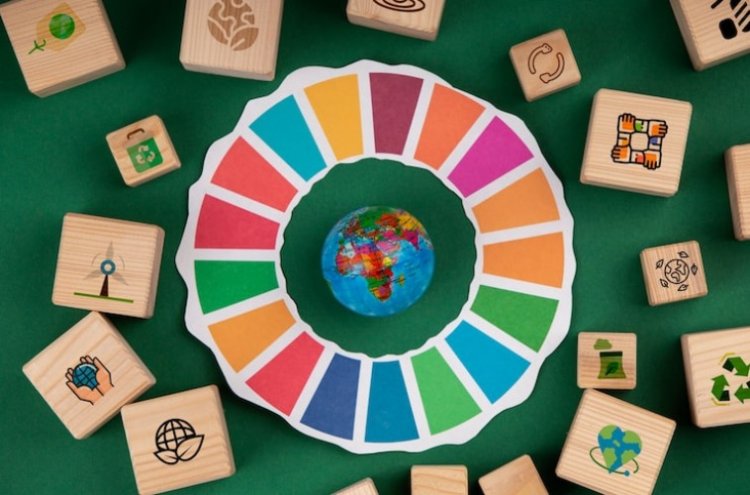
The United Nations Global Compact has launched the Central Asia Network. This new multi-country office brings together over 140 companies from Kazakhstan, Kyrgyzstan, Uzbekistan, Tajikistan, and Turkmenistan. This initiative marks a significant step in connecting the region’s businesses with the world’s largest corporate sustainability movement. It aims to promote the Sustainable Development Goals (SDGs) through better governance, ethical business practices, and green growth.
For years, sustainability efforts in these five Central Asian nations have acted separately. Businesses, civil society organizations, and governments have pursued environmental and social goals independently. The UN Global Compact aims to change this by building a regional network. This network will encourage collaboration through training programs, regional discussions, and business partnerships. It will give companies access to tools, training, and global networks to improve governance, increase transparency, and meet growing demands for decarbonization and ethical labor standards.
Central Asia is undergoing rapid political and economic change, making this launch timely. The region is strategically located between Europe, Asia, and the Middle East, attracting attention from global investors. With over 60% of its population under 30, there is an increasing demand for an economic model that values ethics, opportunity, and environmental responsibility. Young people are emerging as influential advocates for sustainable development, urging both public and private sectors to adopt practices that ensure a resilient future.
Sanda Ojiambo, CEO and Executive Director of the UN Global Compact, spoke at the launch about the need to integrate sustainability into the region’s growth. Ojiambo said, “Central Asia sits at a strategic crossroads and is entering a period of rapid economic and political change. By launching a Country Network here, we are embedding responsible investment and sustainability into this dynamic corridor. We are harnessing the region’s untapped private-sector potential to drive green growth, improve transparency, and strengthen social unity.”
The Central Asia Network focuses not just on corporate responsibility. It also aims to unlock economic opportunities that match environmental and social goals. The initiative will help businesses adopt responsible practices that attract global investment while meeting international standards. As the world shifts towards low-carbon economies, regions committed to sustainability are more likely to secure financing, enter new markets, and form strategic partnerships.
Dinara Seijaparova, Executive Director of the UN Global Compact Central Asia Network, highlighted the chance for businesses to lead. She said, “At this crucial time, businesses in Central Asia must take the first-mover advantage to shape their sustainability agenda. The UN Global Compact will bring together government, business, and civil society across Central Asia to build trust, foster partnerships, and unlock billions in investment for the SDGs. We aim to ensure that economic growth aligns with social inclusion and environmental resilience.”
One main goal of the Central Asia Network is to unify corporate governance approaches in the region. Although the five countries have different regulatory environments and economic systems, the network will serve as a platform for sharing best practices, aligning with global standards, and tackling shared challenges like climate change and labor rights. This regional collaboration is expected to build trust between the private sector and other stakeholders, creating a path for clear and inclusive economic policies.
The network will also prioritize capacity-building efforts to help companies measure and improve their social and environmental impacts. This includes training on sustainability reporting, integrating SDG targets into business plans, and adopting innovations that reduce carbon footprints. By enabling collective action, the network aims to create a ripple effect, where progress in one sector or country encourages action in others.
The launch indicates a shift in how sustainability is viewed in Central Asia. It is moving from a minor concern to a central factor in economic competitiveness. As global supply chains increasingly demand transparency and sustainable practices, companies in the region recognize the need to integrate these principles into their operations. The Central Asia Network will act as both a catalyst and a support system, ensuring local businesses are prepared to meet international standards.
By gathering over 140 companies under one umbrella, the UN Global Compact is creating a unified voice for sustainable business in Central Asia. The network will promote collaboration within the region and with international partners, improving trade relations and investment flows. In doing so, it positions Central Asia as an emerging leader in global sustainability efforts, capable of influencing both regional and international policies.
The establishment of the Central Asia Network reflects the UN Global Compact’s strategy of encouraging localized action while maintaining global alignment. By empowering regional stakeholders, the initiative ensures that sustainability solutions are suited to local contexts, culturally relevant, and economically feasible. Balancing global standards with local realities is crucial for achieving lasting impact.
Ultimately, the Central Asia Network's success will hinge on the willingness of businesses, governments, and civil society to work together and innovate. With its young population, strategic location, and untapped economic potential, Central Asia has a chance to create a path of sustainable growth that could serve as a model for other regions. The UN Global Compact’s commitment to this journey underscores the belief that responsible, inclusive, and environmentally-friendly business practices benefit the planet and are vital for long-term success.
What's Your Reaction?