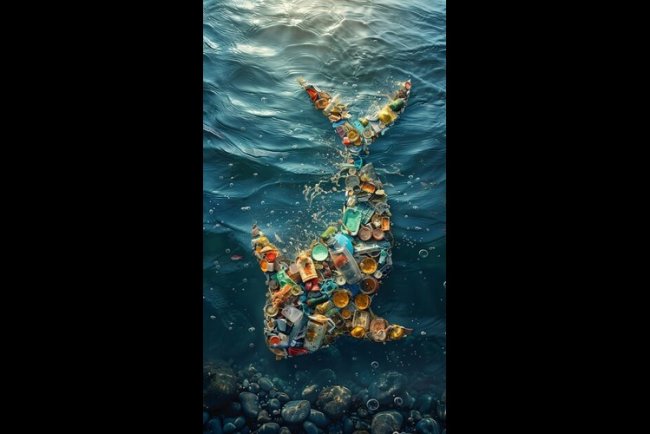
Health experts recommend the UN Plastics Treaty prioritise health by capping production, banning toxic chemicals, and increasing accountability. The treaty must move beyond waste management to protect people and the environment from rising plastic-related harms.
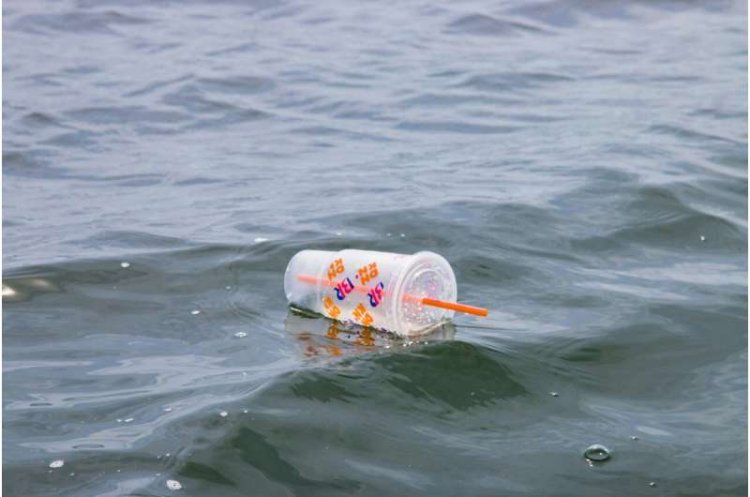
Eight bold proposals have been submitted by health experts for the new United Nations Plastics Treaty, demanding a transformation from waste disposal and rather to taking into account the production of plastic, hazardous chemicals, and environmental destruction. Production of plastics will increase by 300% by 2060, and with it, alarm is also being raised about the far-reaching and vast impacts on health by plastic pollution, especially in middle- and low-income nations.
The World Health Organization (WHO) approximates that there is one death for every four deaths caused by environmental factors, i.e., pollution, waste, and exposure to chemicals. It is mainly associated with the plastic lifecycle—production and use to the end-of-life disposal of waste. In a current Bulletin editorial, it outlines how plastic pollution has some associations with rates of chronic disease, cancer, infertility, and disruption of body systems.
Written by Dr Nicholas Chartres of the University of Sydney and other public health experts, the editorial calls for the draft treaty as it stands to be entirely reorganized immediately so that health risks are taken to the forefront. The authors contend that even if there has been international consensus reached at the United Nations Environment Assembly in 2022 to complete a legally binding plastics treaty, the draft does not include sufficient human health protection.
The authors' first recommendation is putting health and environmental protection at the very center of the goals of the treaty. All of the treaty's obligations, decisions, and policies must consider purposefully the health effects of plastics as well as chemicals linked to them. They believe that any successful treaty would require shifting beyond downstream actions like recycling and instead targeting plastic pollution at its source in capping and curbing overall global plastic production.
One of the key suggestions is to discontinue producing and using toxic chemicals in plastics. Current data reveal that over 16,000 chemicals are used in producing plastics, of which over 4,200 have been proven to be toxic so far. Some of them include per- and polyfluoroalkyl substances (PFAS, otherwise known as "forever chemicals"), phthalates, and bisphenols—most of which are recognized endocrine disruptors. These chemicals are disturbing the endocrine systems of the body and have been associated with a number of chronic conditions, among them some cancers, developmental disease, respiratory disease, and reproductive damage.
The editorial also cautions against recycling plastic with such lethal chemicals. Recycling is otherwise promoted as a means of addressing plastic pollution, yet recycling would lead to the release of toxins into the environment. According to the authors, plastic that has poisonous chemicals in it should be banned from recycling so as not to contaminate or expose for an extended period of time.
Transparency and reporting are also high-level requirements. The pact should call on nations and firms to monitor and report on plastic production, trade, and waste, as well as chemical content data. This would enable better monitoring of potential health risks and stimulate industry accountability.
One of the primary concerns raised is finance. The experts recommend using all instruments of finance to support the application of the treaties, such as applying the 'polluter pays' principle and the extension of producer responsibility. This would shift the weight of the cost of plastic pollution management from governments and communities to those industries and producers generating the pollution.
While healthcare is among the largest generators of single-use plastic waste, especially following the COVID-19 pandemic, the authors are opposed to indiscriminate medical plastics exemptions. They concur that medical access must be safeguarded but call on the industry to be incentivized toward safer and more sustainable alternatives.
Microplastic pollution is also of concern. Research by Dr Chartres has confirmed associations between exposure to microplastics and heightened risks of respiratory, reproductive, and gut damage, and mounting evidence suggests their role in certain cancers. Microplastics have entered the air, waters, and ground, and even human tissues. In the absence of a coordinated approach, the extent of health impacts will grow.
Authors describe the disparity in the effect of plastic pollution, asserting that it is the poor nations that are more exposed to plastic pollution and chemical risks that go with them but least capable of restraining them. An effective global accord would be the solution to preventing these imbalances and additional damage.
Eight priorities have been outlined by health experts to the forthcoming United Nations Plastics Treaty, demanding a paradigm shift from the current waste management narrative to plastic production, hazardous chemicals, and environmental degradation. Production of plastics is projected to increase by 300% by 2060, and concern is mounting regarding the spread and long-term impacts of plastic-associated pollution on human health, especially in low- and middle-income nations.
The World Health Organization (WHO) has placed one death in four worldwide as being attributable to environmental causes such as pollution, wastage, and chemical contamination. This places significant stress on the lifecycle of plastic—from manufacture and consumption to waste management. Recent discussion in the Bulletin of the World Health Organization highlights how plastic contamination results directly in increased rates of chronic disease, cancer, infertility, and systemic toxicity in the human body.
By Dr Nicholas Chartres of the University of Sydney and other public health experts, the editorial urges that the current draft of the treaty in progress be completely revamped so that health hazards are given a priority. The authors believe that notwithstanding the global consensus that was reached during the United Nations
While negotiations continue through August 2025, member states and the United Nations Environment Programme can make the treaty stronger with more health-focused provisions. A treaty that does not take action against hazardous chemicals and increasing plastic production might not have strong enough international health and environmental benefits it was intended to offer.
Pressure globally on the treaty grew since the 2022 resolution, and numerous actors including researchers, NGOs, and public health practitioners have called on decision-makers to promote a preventative, upstream strategy. Restricting production and preventing hazardous chemicals at source are universally acknowledged as being more effective than interventions after consumption.
With over 10 million tonnes of plastics deposited into the oceans annually and increasing quantities accumulating in landfills, the long-term implications of current procedures come more into focus by the day. Should negotiations within a treaty ignore the impacts on health caused by plastics and seek only waste management, there is a risk that the treaty will not offer significant or sustainable protection.
The recruitment of doctors like Dr Chartres indicates the increasing need for inter-disciplinary strategies to international policy-making. Environmental concerns have clear implications on public health, and the success of the treaty will hinge on its ability to address this overlap head-on.
By putting people's health first, being lifecycle-oriented, and doing away with old waste mindsets, the UN Plastics Treaty would be a landmark moment in world environmental governance. The resulting treaty would set a pattern for how countries work together to address material pollution and protect ecosystems and human health over the next decades.
University of Sydney, 8 recommendations from health experts to the UN Plastics Treaty, released 10 July 2025, originally edited by Sadie Harley and reviewed by Andrew Zinin, from Phys.org
Original editorial published in Bulletin of the World Health Organization (DOI: 10.2471/BLT.25.294144)
What's Your Reaction?