Underwater Jetpack Enhances Ocean Exploration
Launched via Kickstarter, Xiaotun’s $999 underwater jetpack offers zero-emission propulsion for divers and researchers, supporting sustainable ocean exploration. With speeds of 8 knots and applications in marine tourism and coral reef m
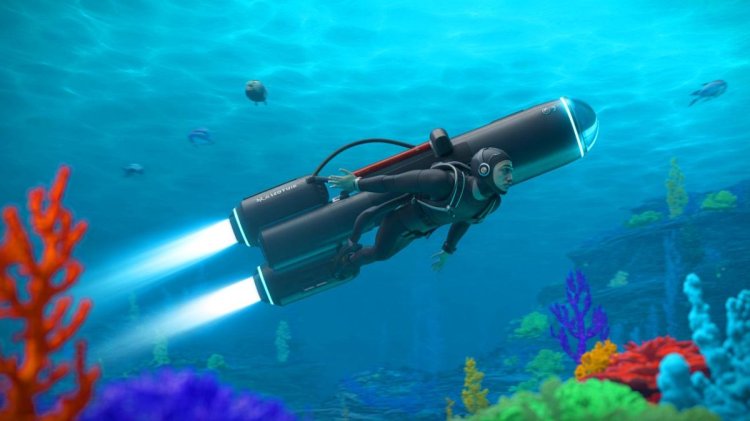
Xiaotun’s underwater jetpack, launched via a $1,374 Kickstarter campaign, is transforming ocean exploration with high-speed, eco-friendly propulsion. This device offers adventurers a sustainable way to navigate marine environments, supporting conservation efforts.
Developed by Chinese startup Xiaotun, the jetpack uses electric propulsion to reach speeds of 8 knots, allowing users to cover 5 km underwater on a single charge. Its compact design, weighing 3.5 kg, is powered by a lithium-ion battery, producing zero emissions compared to traditional fuel-based watercraft. The device, priced at $999, targets divers and researchers, with applications in marine biology and underwater tourism. Over 2,000 units were funded on Kickstarter by July 2025, reflecting strong demand.
The jetpack supports marine conservation by reducing noise pollution, which disrupts aquatic ecosystems, and enabling access to remote underwater sites for monitoring. In India, where coastal ecosystems like the Andaman coral reefs face degradation, such technology could aid research. The device’s eco-friendly design aligns with India’s Blue Economy vision, targeting ₹1 lakh crore in sustainable marine activities by 2030. However, high costs and limited battery life (1 hour) restrict accessibility for small-scale researchers. Posts on X highlight excitement for recreational use but note maintenance challenges in salty environments.
Critics question the jetpack’s scalability for mass adoption, citing production costs and regulatory hurdles for underwater devices. Xiaotun plans to expand production in 2026, potentially partnering with Indian marine institutes to localise manufacturing. The device’s low environmental impact makes it a promising tool for studying climate-driven ocean changes, such as rising sea temperatures affecting 30% of India’s corals.
The underwater jetpack opens new possibilities for sustainable ocean exploration. For India, integrating such innovations could enhance marine research and tourism while supporting environmental goals.
Source: Sustainability Times
What's Your Reaction?