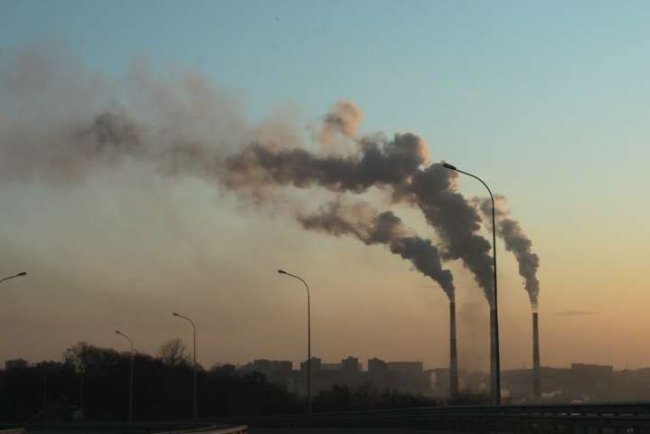
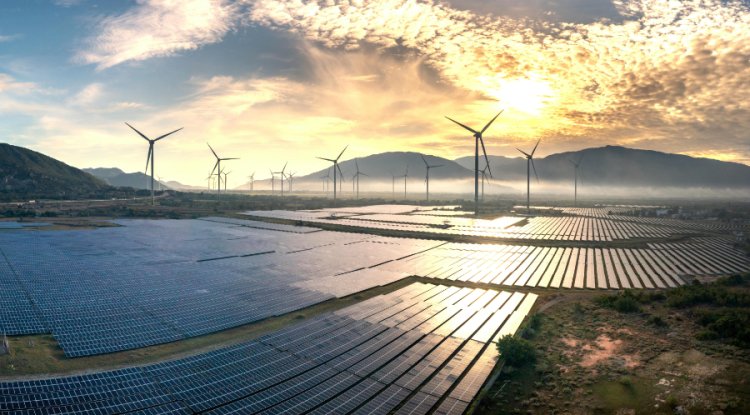
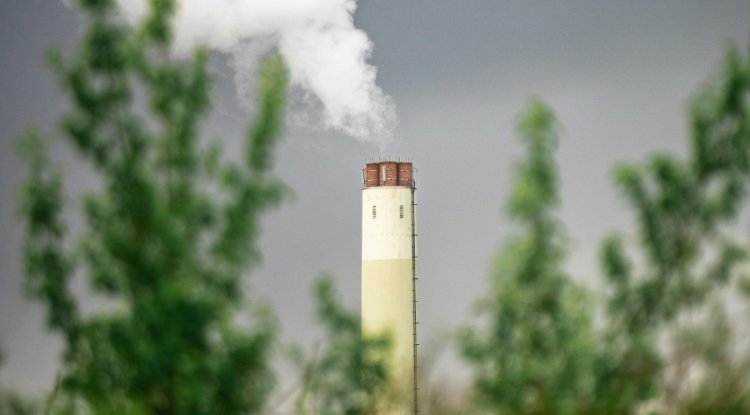
Researchers and climate studies warn that urban heat islands are increasing temperatures in cities due to dense construction, reduced green cover, and heat-absorbing infrastructure.

Urban heat islands are causing an increase in temperature in cities as roads, buildings, and other structures are absorbing and retaining more heat, according to climate studies.
The occurrence happens when temperatures in urban areas are higher compared to temperatures in neighboring rural areas as a result of high density, less vegetation, poor ventilation, and materials used in construction, such as concrete and asphalt.
According to a study conducted by Climate Central, several major cities had recorded temperatures that were at least 8°F higher than the surrounding areas as a result of urban heat islands. This is attributed to the fact that high heat concentration is experienced in urban areas with few trees and many pavements.
Studies have shown that urban heat islands pose health hazards to elderly persons, workers in outdoor settings, children, and low-income areas with little access to air conditioning facilities. Urban heat islands also cause increased demand for energy to cool urban areas and higher air pollution levels.
Urban expansion and decreasing green cover have been cited as some of the reasons behind increased temperatures in urban areas. Research into urban development has found that a decrease in vegetation, a shrinking of water bodies, and an increase in built-up area lead to high heat retention capacity.
There are various measures adopted by cities in different countries to tackle increasing temperatures, such as tree planting campaigns, the use of reflective roofing, the creation of cooling centers, and the redevelopment of public spaces. The city of Bengaluru is recently undertaking a pilot project for reducing heat hotspots through climate resilience planning.
Satellite monitoring and simulation models are being used by researchers to study the effects of urban design and construction material on heat retention.
Urban heat islands have been correlated with high local effects of increasing temperatures due to climate change in climate research. Green cover, ventilation, and heat-resistant infrastructures continue to figure in urban planning discussions regarding heat management in urban areas.
What's Your Reaction?