A Nature study estimates that greenhouse gas emissions from the United States since 1990 have caused more than $10 trillion in global economic damages, with significant impacts on developing economies.
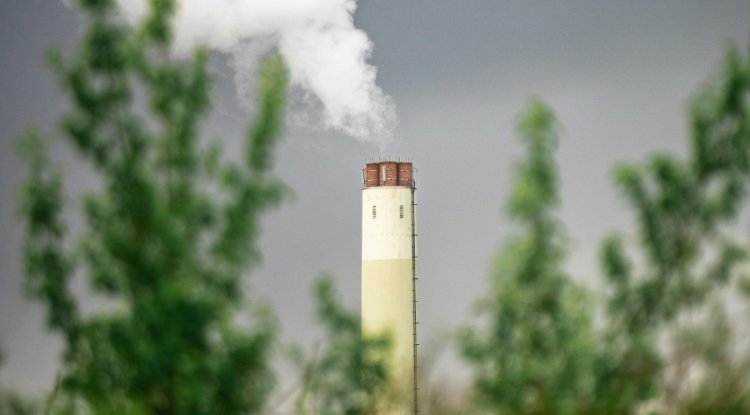
Greenhouse gas emissions from the USA after 1990 are estimated to have resulted in economic costs of over $10 trillion worldwide, according to a study published in Nature. The study estimates that economic impacts were experienced globally in developed and developing nations.
The study reveals that US emissions are associated with approximately $10.2 trillion in economic losses worldwide from 1990 to 2020, the highest figure reported to be related to any nation. The second highest cost was reported to have originated in China at an estimated value of $8.7 trillion, followed by Europe Union, which is associated with $6.4 trillion in economic losses.
The study sought to identify the link between emissions from various nations and their economic impacts against rising temperatures. The goal was to quantify the impacts of emissions by various nations on their economy.
It was estimated that approximately 30 per cent of the cost of the impact of emissions in the US has been suffered in the country, worth about $3 trillion.
India suffered losses worth approximately $500 billion from the carbon emissions of the US, with Brazil's losses being put at about $330 billion. The scientists attributed the damage to the impacts of climate change, such as rising temperatures and decreased agricultural production, among others.
It was discovered that the consequences of carbon emissions keep adding up for years after the emissions. The amount of economic damages associated with the emission of a single tonne of CO2 in 1990 was calculated to be about $184 by 2020. It is estimated that the same tonne might cause significant financial losses by the end of the century as a result of continued warming.
These results come after many studies conducted on the issue of the impacts of climate change and how it is unevenly distributed among countries. Poor nations, which are responsible for very small shares of historical emissions, tend to be some of the countries affected most by climate change.
This study emerges at a time when governments are holding talks regarding climate finance for nations suffering from climate loss. Climate financing has been made an integral part of international climate talks due to its importance for developing nations.
While discussing the calculations in their findings, researchers mentioned that their analysis is limited to the economic aspect only, and social and environmental aspects such as biodiversity loss, cultural loss, and migration have not been taken into account.
Consequently, the actual cost of emissions made in the past could be greater than what is estimated in this study.
What's Your Reaction?