US EPA Moves to Repeal 2009 Climate Finding, Threatens EV and Emissions Rules
The US EPA has proposed repealing the 2009 Endangerment Finding, a move that could dismantle major vehicle emissions rules and EV mandates. The proposal, backed by updated scientific data, aligns with President Trump's deregulatory agenda and is expected to face legal challenges.
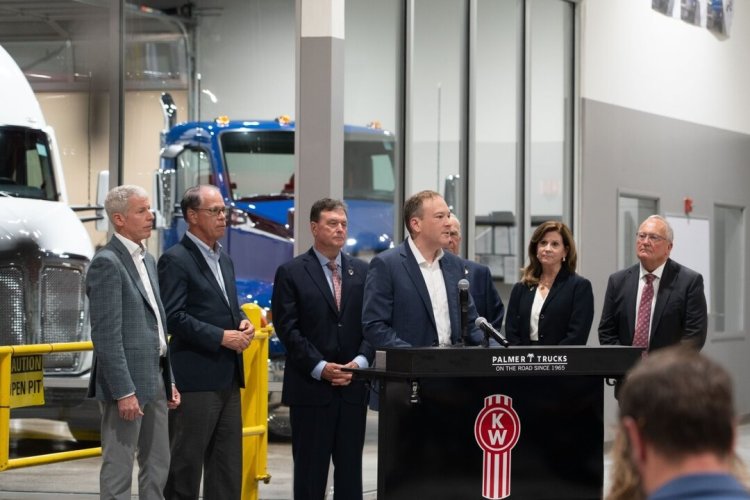
The United States Environmental Protection Agency (EPA) has suggested overturning the 2009 Endangerment Finding, a pillar legal decision allowing the government to control greenhouse gas emissions from cars. EPA Administrator Lee Zeldin made the Indianapolis, Indiana, press conference announcement, which represents a major change from the policies of prior administrations.
Under President Barack Obama's administration, the Endangerment Finding determined that greenhouse gases including carbon dioxide pose a public health and welfare threat. Under Section 202(a) of the Clean Air Act, this allowed the EPA to control emissions and lay the groundwork for several emissions rules and requirements for electric vehicles (EVs). President Joe Biden's administration subsequently extended these rules, which together with other federal initiatives to fight climate change through transport sector changes, help to address the issue.
The most recent EPA plan would eliminate legal requirements for heavy-, medium-, and light-duty vehicles. Should it be approved, it would undo more than $1 trillion worth of environmental legislation and get rid of laws that have influenced the car business for almost ten years. For the economy, the agency projects the repeal might generate more than $54 billion in yearly cost savings.
During President Donald Trumps second term, the action is part of a larger deregulation drive under way. It shows the government's focus on boosting domestic energy production and cutting down on needless rules. The EPA claimed that fresh research and economic evidence, including a 2025 Department of Energys Climate Work Group analysis, corroborate the choice. The agency claims that the 2009 report grouped six different greenhouse gases without properly evaluating their individual effects.
The repeal could have an impact on a broad spectrum of current laws, including those requiring heavy-duty vehicles to adhere to more stringent pollution standards and passenger cars to have stop-start systems. The EPA said that over the previous fifteen years, at least seven vehicle-related emissions standards were based on the endangerment finding.
Republican-led states and business organizations have shown great backing for the agencys plan. They claim that the current rules limit consumer choice and have raised production expenses. Still, environmental and legal issues are projected. Legal experts and advocacy organizations have expressed worry that the plan compromises scientific agreement on climate change and could violate U. S. commitments to emissions reduction.
The EPA's power to implement such broad modifications without explicit legislative approval will be a major point of contention in court. Citing legal support for the repeal, the agency has alluded to recent Supreme Court rulings, among them West Virginia v. EPA, which restricted regulatory reach for power plants, and Loper Bright Enterprises v. Raimondo, which lowered judicial deference to agency decisions.
The EPA has verified it will launch a public comment on the plan; specifics would show up in the Federal Register. The ruling might transform vehicle emissions policy as well as coming U. S. climate rules. The result might show whether federal environmental safeguards continue to rely on broad legal interpretations or demand clear legislative endorsement.
With possible long-term consequences for environmental policy, vehicle standards, and the country's larger attitude to tackling climate change, the suggested repeal marks a significant change in U. S. climate policy as legal and policy arguments develop.
Source:
Reported by Nirmal Menon, originally published on July 31, 2025 | US EPA, Press Conference at Palmer Trucks, Indianapolis
What's Your Reaction?