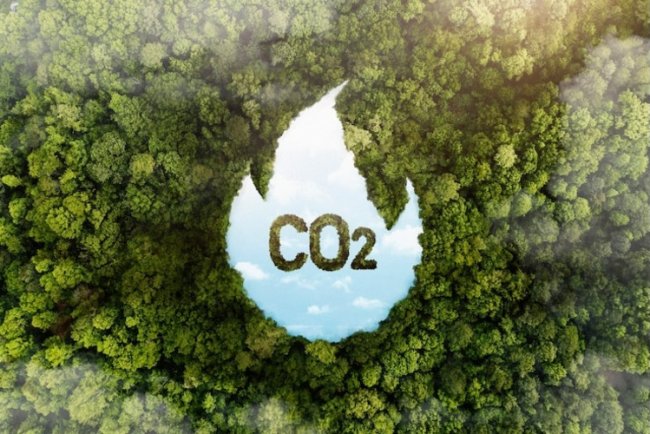
Government of Uttar Pradesh, has launched the India’s first state-level clean air strategy which aims at reducing dangerous level of pollution PM 2.5 and improve air quality.
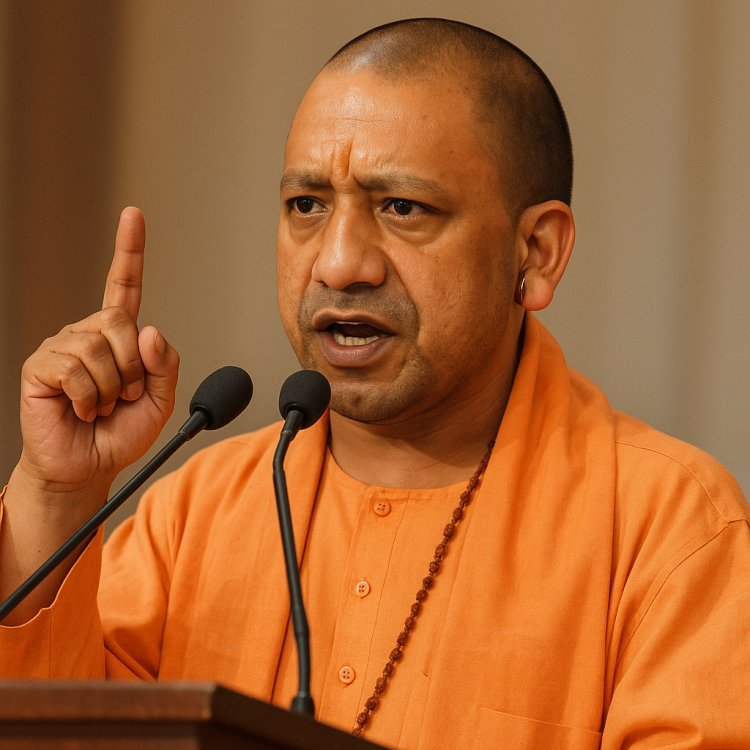
In a major step to fight pollution crisis, the Department of Environment, Forest and Climate Change (DoEFCC), Government of Uttar Pradesh, has launched the India’s first state-level clean air strategy. This initiative provides 10-year roadmap which aims at reducing dangerous level of pollution PM 2.5 and improve air quality across the state.
The serious air pollution problem in India
Developed jointly by the Government of Uttar Pradesh, the World Bank, and the International Institute for Applied Systems Analysis (IIASA), the UCAP is grounded in advanced air quality modelling and scientific analysis. According to Pallav Purohit, senior research scholar at IIASA and co-author of the strategy, the plan focuses on five critical sectors—household cooking, transportation, industry, agriculture, and waste. It identifies high-impact actions such as expanding clean cooking fuel access, banning open burning of crop residues, improving vehicle maintenance standards, enforcing pollution controls in industries, and managing road and construction dust. He emphasized that the goal is to meet India’s National Ambient Air Quality Standards for PM2.5 (40 μg/m³) and eventually move toward the World Health Organization’s Interim Target (35 μg/m³).
The Uttar Pradesh clean air solution is not just a suggestion but it’s a detailed and actionable plan. The strategy calls for strong regulatory enforcement, regular evaluation, and a phased implementation backed by pilot programs. Zbigniew Klimont, Head of the Pollution Management Research Group at IIASA and a co-author of the plan, explains that only having rules are not enough. For real result, plans must be backed by a clear action plan with proper targets. This ensures that plan is not only ambitious but also practical and trackable.
To support the implementation of UCAP, the Uttar Pradesh government is preparing to launch the Uttar Pradesh Clean Air Management Project (UPCAMP), backed by a proposed $320 million loan from the World Bank. This project will help expand the state’s air monitoring infrastructure, support long-term planning, and introduce advanced pollution control technologies like tunnel kiln retrofits, AI-powered Decision Support Systems (DSS), and real-time tracking tools at supersites.
The Uttar Pradesh’s clean air strategy is not just a state level initiative, but it is part of a much larger regional project called the Indo-Gangetic Plain and Himalayan Foothills (IGP-HF) project. This project involves multiple countries such as India, Nepal, Bangladesh, Pakistan, and Bhutan. The goal of the IGP-HF project is to promote coordinated air quality management across this city. By launching this clean air strategy, UP has is becoming an example for other states and countries. The state shows how to use technology to fight pollution. The city is setting and example that others can follow.
As air pollution continues to threaten the health of millions of people, this bold strategy is a hope, and it stands out as a positive solution. Instead of waiting for pollution to get worse, the plan aims to bring about long-term, sustainable improvements in air quality.
Source: IIASA
What's Your Reaction?