TotalEnergies sells European solar assets to accelerate utility-scale renewable energy expansion.
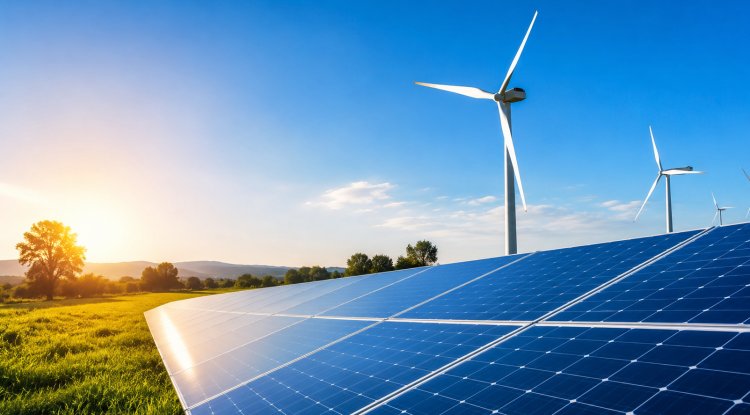
Distributed solar generation (DSG) across Europe is being sold, as part of TotalEnergies' (TEN) renewed strategy to build its renewable energy portfolio, the company has announced. The company has sold all of its distributed solar projects in seven European countries to renewable energy companies Amarenco and AMPYR Distributed Energy, enabling it to focus on the development of large-scale renewable energy projects. The shift marks a longterm plan to focus on utility-scale solar and wind projects which have better operational efficiencies and economies of scale.
The deal aligns with TotalEnergies' overall strategy for renewable energy as the company aims to bolster its footprint in the global clean energy sector. The company's decision to exit the distributed solar market, which includes smaller rooftop projects, will help free up resources for larger, utility-scale renewable energy developments that have the potential to offer greater generation capacity and profitability. The move is emblematic of the need to invest in scalable renewable energy infrastructure as a critical step in addressing the energy needs of the future and decarbonization efforts.
The transition to large-scale renewable projects is a strategic shift.The move towards large-scale renewable projects is a strategic shift.
Distributed solar generation projects usually range in size from less than 3 MW. The company has seen these installations valuable in increasing the availability of renewable power, but feels its business model is more suited to the development and operation of large utility-scale solar and wind projects.
Some of the advantages of larger renewable projects are economies of scale, allowing for more efficient project development, financing, construction and long-term operation, the company said. This benefit enables TotalEnergies to make the most out of its investments and provide renewable electricity on a significantly larger scale. With increasing competition in the clean energy market, it will be seen that the company is more inclined towards high capacity projects in the long run.
Seven European markets are covered by the sale.
The divestment comprises an approximately 170 MW distributed solar portfolio, which is fragmented across France, Belgium, the Netherlands, Spain, Portugal, the United Kingdom and Luxembourg. This portfolio focuses mainly on rooftop solar projects for commercial and industrial customers, reflecting the scale of TotalEnergies' previous distributed generation projects in Europe.
The acquisition has been split into two components – renewable energy firms Amarenco and AMPYR Distributed Energy. Both companies specialize in decentralized renewable energy solutions, and are expected to continue operating and growing these assets after the transaction is executed.
The sale is an element of a TotalEnergies' portfolio optimization programme, and not a sign of a change in the company's renewable energy ambitions. Instead, the company plans to shift the focus to projects more related to its future development plan.
Renewal plans to expand remain unchanged.
TotalEnergies said that the move from the distributed solar segment will not impact its overall growth strategy for renewables. The Company said it added 8 GW of gross renewable generation capacity in the past year, to reach a total of 35 GW of gross installed renewable capacity at the end of March 2026.
On this trajectory, TotalEnergies has reiterated its goal to reach more than 75 GW of renewable power generation capacity by 2030. The goal is expected to be the key to the successful implementation of large-scale solar parks and wind farms in many international markets.
The company thinks it can meet these capacity targets more efficiently by focusing its investments in utility-scale renewable projects and enabling more electricity demand through electrification and the global energy transition.
AMPYR boosts European Distributed Energy Presence
London-based AMPYR Distributed Energy also bought some of the 70 MW of distributed solar power assets at 17 locations. The acquired assets include a new, recently commissioned floating solar farm in Belgium, bringing a special renewable generation project to the portfolio in Europe.
The acquisition further bolsters AMPYR's presence in the onsite renewable energy market driven by the growing demand for local clean energy solutions among businesses to mitigate energy security risks and lower operating costs. Distributed energy systems remain an attractive proposition for commercial and industrial sites that need to produce electricity near where it is used, but want to get away from the vagaries of wholesale electricity markets.
John Behan, Chief Executive Officer of AMPYR, pointed to the increasing interest in onsite renewable energy in Europe. He remarked that right now, energy costs are some of the highest in the world, and distributed renewable energy is a more and more appealing choice for businesses.
Onsite renewable energy offers an opportunity for organisations to achieve more cost certainty, improved energy resilience and a proven route to reducing carbon emissions, says Behan. The deal will further help AMPYR to scale its renewable energy solutions presence in European markets more quickly and at larger scale, he added.
The portfolios reflect industry trends in their portfolio optimization.
The deal is part of a larger trend in the renewable energy sector, as firms strive to concentrate on areas that fit their capabilities and future business plans. Although distributed solar is a vital part of Europe's clean energy transition, niche developers are taking a bigger role in managing smaller, decentralized development assets, while larger, integrated energy companies focus on utility-scale development.
The divestment is part of TotalEnergies' strategy to shift investments from the fossil fuel sector to other areas, including renewables. The company will prioritise larger initiatives with the ability to deliver substantial generation capacity, in order to accelerate its contribution to the global shift towards low-carbon energy, whilst keeping its overall renewable growth targets high until the end of the decade.
What's Your Reaction?