


Airbus and MTU form a joint venture to develop hydrogen fuel cell propulsion for commercial aircraft.
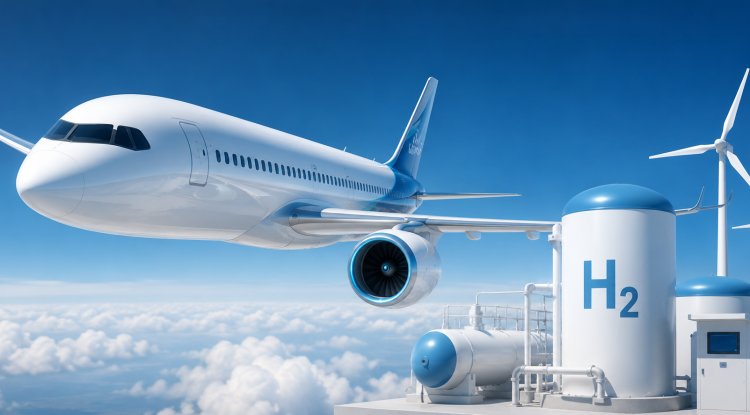
Airbus and MTU Aero Engines are creating a joint venture to develop and market hydrogen fuel cell propulsion systems for commercial aircraft, paving the way for a new era of low-emission aviation. The partnership seeks to speed up the development, testing, certification and eventual implementation of hydrogen-powered propulsion systems which could prove vital in mitigating aviation's carbon emissions. Hydrogen-powered aircraft, Airbus, MTU Aero Engines and sustainable aviation, aviation decarbonisation are likely to continue to play key roles as the industry looks for long-term solutions to the problem of conventional jet fuel.
It brings together Airbus' experience in the development of commercial aircraft and hydrogen technologies, and MTU Aero Engines' experience in the development of fuel cell systems, engine integration and certification. Both groups have joined forces in one company to commercialise their expertise in the field of advanced research for propulsion applications. The project is an example of the increasing momentum in the aviation world for hydrogen-powered aircraft, as well as the growing interest in sustainable aviation, aviation decarbonisation and more generally in the development of hydrogen technologies in the aviation sector, while at the same time, other challenges related to technological development and infrastructure remain.
Aviation’s Decarbonisation Challenge
Aviation is responsible for approximately 2–3% of global GHG emissions and global air travel demand is projected to grow over the next decade. If there are no major technological breakthroughs, aviation emissions could grow significantly and decarbonisation will be one of the biggest priorities of the aviation sector.
To solve the problem, manufacturers, airlines, and engine manufacturers are following several routes to lower emissions. These include enhanced aircraft efficiency, increased use of Sustainable Aviation Fuel (SAF), advances in electric propulsion systems and the development of hydrogen-based propulsion systems that can completely remove carbon emissions from the aircraft during flight.
SAF is being seen as a necessity for the near-term as it can be used in existing aircraft and airport infrastructure, while hydrogen is gaining traction as a viable solution in the long term, as it can provide zero carbon flight when produced with renewable energy.
Hydrogen Fuel Cells as Preferred Technology
Since 2020, Airbus has been developing hydrogen-powered flight in its ZEROe programme. The program was established to test different forms of hydrogen propulsion, such as hydrogen combustion and hydrogen fuel cell technology, that would result in an economical and commercially viable zero-emission aircraft.
Airbus stated in 2025 that it would now be seeking to bring a hydrogen-powered commercial aircraft to market by 2040, instead of 2035, due to the slow progress of hydrogen infrastructure and supporting technology, but confirmed its long-term interest in hydrogen aviation. It also asserted that hydrogen fuel cell propulsion is now the technology of choice after many years of research and testing.
The basic principle of a hydrogen fuel cell is the electrochemical reaction between hydrogen and oxygen which creates electricity. Unlike conventional jet engines which use fossil fuels, fuel cells generate electricity without combustion - only water vapour as a by-product. The technology can therefore remove CO2 and NOx from the atmosphere throughout the flight, which represents a major benefit for the environment, provided that the hydrogen is generated in a low carbon or renewable way.
To create a partnership to stimulate commercialisation.To establish a partnership to move quickly towards commercialisation.
Under the new deal, Airbus and MTU Aero Engines will create a separate company that will develop hydrogen fuel cell propulsion systems for commercial aviation. The new body will concentrate on speeding up all aspects of technology development, from system design, testing, certification, all the way through to commercial deployment.
Airbus will bring its broad experience in commercial aircraft programmes, its expertise on hydrogen propulsion systems and liquid hydrogen technologies. MTU Aero Engines will provide knowledge gained through years of research in fuel cell technologies, engine design, integration, validation, certification and maintenance.
The partnership aims to establish a dedicated entity that can develop hydrogen propulsion technologies from the lab to industrial use, all while adhering to the strict aviation safety and certification standards.
Building European Leadership in Hydrogen Aviation
Airbus thinks that the arrangement will extend Europe's leadership in the development of future aviation technology.
The joint venture will be a dedicated organisation that will enable advanced research to be transitioned to a certified electric propulsion system, said Bruno Fichefeux, Future Programmes Head at Airbus. He explained that the partnership would help Europe remain a technological leader and be part of Airbus' long-term ZEROe goals.
The cooperation also reflects the ongoing European strategic initiatives to strengthen clean aviation technologies as a key focus of the European governments and industries on reducing the reliance on fossil energy sources in order to remain competitive in the aerospace industry.
MTU's Hydrogen Engine Development progress
MTU Aero Engines has already made a number of advances in hydrogen propulsion research that will aid in the new project. The company has finished the design phase of its Flying Fuel Cell demonstrator, and started the production of fuel cell stacks for testing.
Moreover, MTU has been able to conduct preliminary testing of its eMoSys electric motor and recently opened its first specialized fuel cell test facility in Munich. The advances being made in these technologies will enable the development of hydrogen-powered propulsion systems for the next generation of commercial aircraft.
The project is a significant step towards the development of the world's first hydrogen-powered aircraft engine, said MTU Aero Engines Senior Vice President of Engineering and Technology, Stefan Weber. The proposed joint venture is aimed at providing the full fuel cell powtrain lifecycle, from development and testing to certification and commercialisation, he said.
This is a Long-Term Vision for Zero-Emission Flight.
Airbus-MTU is the latest joint venture in the aviation industry, which is still investing in long-term zero-emission technologies despite the technical and infrastructure challenges that still need to be addressed. Commercial aircraft using hydrogen fuel are years away from mass production but ongoing cooperation between aircraft makers and engine developers should help bring the technology to fruition.
Hydrogen fuel cell propulsion is one of the most awaited technologies that could lead the commercial aviation of the future, as regulatory pressure intensifies and governments keep on promoting clean energy. This partnership could be significant in the development of the next generation of sustainable air transport and have an impact on global climate objectives.
What's Your Reaction?

















