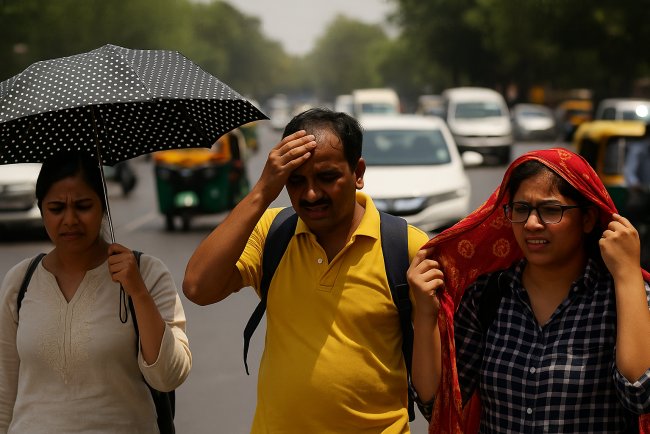
A new study has found that the combined effects of heatwaves and ground-level ozone pollution are increasing cardiac mortality in India, highlighting the need for stronger climate and air-quality measures.

A new study finds that heatwaves are significantly increasing cardiac mortality in India due to the combined effects of high ground-level ozone (O3) pollution. In the coming years, climate change may exacerbate the public health crisis in the nation as extreme "heat events" become more common, according to researchers.
The study analysed the link between rising temperatures and ground level ozone levels in India spanning 20 years. The research showed that rising temperatures have an effect on the formation of ground level ozone, which is a hazardous form of pollution that poses risks to health due to its effects on the lungs and heart. Ozone levels also tend to rise during specific times of the year, particularly during heat waves in northern India.
Ozone at ground level is different from that in the stratosphere, which helps shield the planet from dangerous rays emanating from the sun. Ozone formation is caused by chemicals produced by cars, factories, and other sources in the presence of sunlight. Increased ozone causes breathing problems and irritates lungs, resulting in chest pain. It can even increase incidences of heart attack.
Ozone concentrations were observed to rise quickly during hot days and stay high until temperatures start to drop, showed researchers. The study suggests that this combination of extreme heat and dirty air creates heightened health risks for senior citizens, children, outdoor workers, and persons with pre-existing heart and respiratory diseases.
The findings come at a time when India is experiencing more frequent and intense heatwaves. High temperatures not only affect human health directly but also worsen air pollution levels, exacerbating the effects of rising temperature on human health. If adequate climate adaptation and mitigation measures are not implemented, experts believe this can be exacerbated by climate change.
The research team has suggested more stringent “pollution control policies,” heat action planning, and public awareness regarding the potential dangers of excess heat and exposure to ozone. It is stressed that tackling both air pollution and climate change together can be helpful in minimising health risks related to such contaminants in the future.
The study calls for coordinated efforts by governments, health officials and environmental agencies to safeguard millions of Indians from the escalating threats of hot weather and air pollution.
What's Your Reaction?