


As Holi 2026 approaches, cities across India are promoting dry, eco-friendly celebrations, reflecting a growing shift towards water conservation and environmentally responsible festivities.
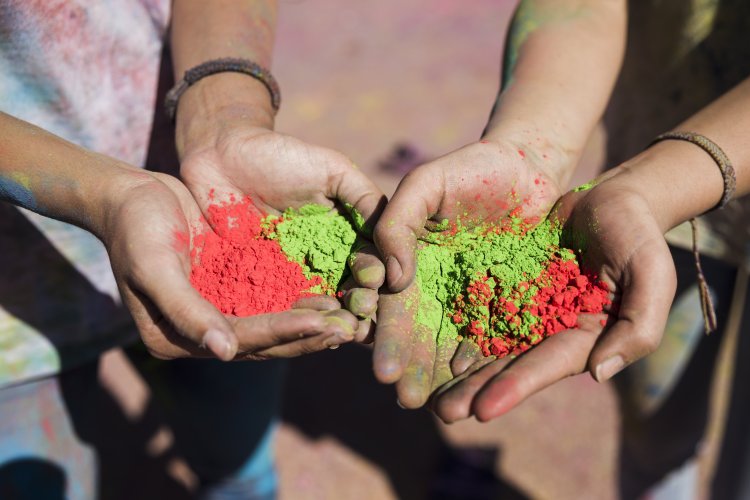
With Holi 2026, the festival of colour is around the corner, and several Indian cities are encouraging residents to celebrate responsibly by saving water and opting for dry and eco-friendly Holi by avoiding chemical-based colours. The shift for water-smart celebrations shows that awareness is increasing about resource conservation and the importance of sustainable living.
Municipal bodies, including Brihanmumbai Municipal Corporation (BMC) and resident welfare associations (RWAs) across cities such as Pune, Bengaluru, Jaipur, Delhi-NCR, Mumbai, and Vadodara, issued Holi celebration guidelines to citizens to prefer dry and herbal colours over water-based ones. Community groups across the nation are hosting “Dry Holi” events in parks and societies, promoting music, cultural events, and dry gulal.
In Mumbai, the Brihanmumbai Municipal Corporation has urged citizens to refrain from the use of chemical colours and the use of excess water during the celebration of Holika Dahan and Dhulivandan. This is an instance of the promotion of responsible celebration. Dry and minimal water celebrations of Holi are picking up steam in Bengaluru.
Vadodara too witnessed enthusiastic participation in eco-friendly activities, for example schools using about 500 kg of recycled flower petals instead of chemical colours for Holi celebrations
In many states, schools are using the pre-Holi assemblies to raise awareness about the environment and responsible celebrations. Children are being encouraged to pledge to use the minimum amount of water and spread the message of environmental awareness among their families.
Experts emphasised the fact that traditional water-based celebrations have the potential to consume large quantities of drinking water within a short span of time. By choosing dry colours, the people are sending out an important message that celebrations and the environment can coexist.
The sustainability movement is getting a further boost with the emergence of startups and women-led self-help groups who are developing natural, skin-safe colours using flowers, turmeric, beetroot, etc. These efforts not only help the community avoid exposure to harsh chemicals but also create jobs.
There are some housing societies which are taking the issue of sustainability even further by conducting rainwater harvesting awareness campaigns and clean-up operations after the celebrations. The response has been encouraging, especially from the youth.
Environmental experts say that even a small change in celebrating festival can make a big difference to the environment. The trend of water saving Holi is an example of how the celebration can change with the times.
This year, the preference for dry Holi celebrations is a reflection of positive change and shows people are becoming more responsible towards environment, where Holi is not just celebrated with colours and happiness, but with concern for the environment as well.
What's Your Reaction?











Leave a Comment






