ChildFund India unveiled an AI Children and Youth Vision Charter in New Delhi, with government officials, educators and civil society representatives discussing online safety, education and child protection.
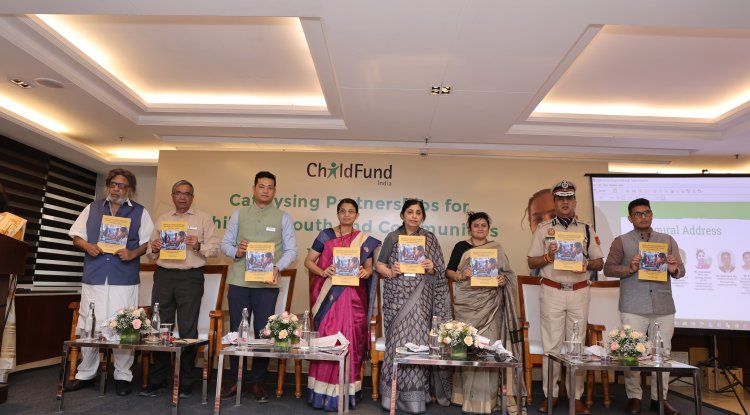
ChildFund India has released an Artificial Intelligence (AI) Children and Youth Vision Charter developed through consultations with children and young people from across India, outlining their concerns about online safety, privacy, misinformation and the use of AI.
The charter was unveiled at a meeting in New Delhi that brought together government officials, educators, legal experts, mental health professionals and civil society representatives to discuss issues affecting children and young people.
According to ChildFund India, the document was prepared following consultations in several states and a national workshop in Ranchi, Jharkhand. It contains 11 recommendations from children and youth, including stronger protection of personal data, measures against online abuse, action on deepfakes and misinformation, safeguards against bias in AI systems, mental health protections and youth participation in AI-related decision-making.
Delhi Women and Child Development Secretary Rashmi Singh, Special Commissioner of Police Devesh Chandra Srivastava and Bharti Airtel Foundation Chief Executive Officer Nuriya Ansari were among those who attended the event.
In her address, Singh spoke about the role of police, panchayats and Anganwadi centres in identifying developmental issues among children. She also highlighted infrastructure constraints facing Anganwadi centres in Delhi and referred to the Delhi Samarth Anganwadi-cum-Palna Scheme.
Srivastava outlined child protection and youth outreach initiatives undertaken by Delhi Police. These include self-defence programmes for girls, confidential reporting systems in schools and vocational training opportunities for young people.
Ansari said technology can support classroom learning when used alongside teachers. She also stressed the importance of improving foundational literacy and numeracy and strengthening institutional systems within non-governmental organisations.
The event included panel discussions on health, education, skilling, online safety, digital well-being and mental health. Representatives from the Ministry of Skill Development and Entrepreneurship, the Ministry of Panchayati Raj, the Ministry of Women and Child Development, the World Health Organisation and the Gates Foundation participated in the discussions.
ChildFund India Executive Director Anand Vishwakarma said the gathering was intended to review issues affecting children and young people and to hear views from organisations and officials working in the field.
The release of the charter comes as policymakers, educators and child rights organisations examine the effects of emerging technologies on children and consider measures to improve online safety and digital literacy.
What's Your Reaction?