India is strengthening international partnerships to promote renewable energy, energy storage, and grid integration, alongside regulatory reforms and digital tools to modernise the sector, according to information submitted in Parliament.
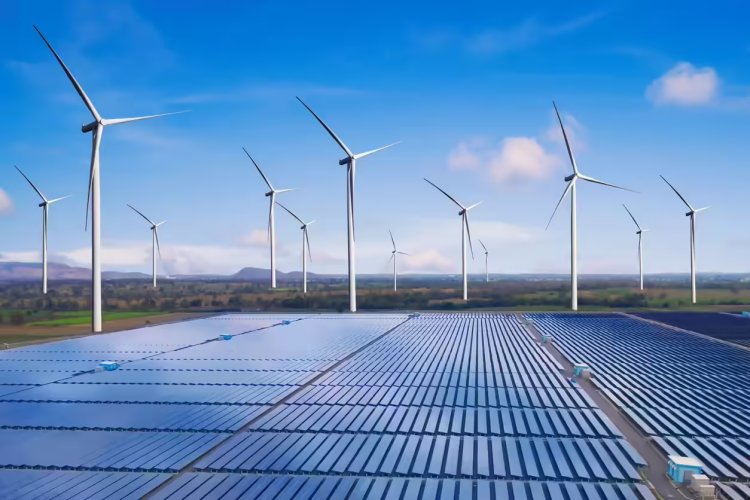
The governmen is strengthening its partnerships with countries around the world to promote solar energy, wind energy, energy storage, and grid integration; these partnerships will be established through formal agreements, including memorandum of understanding (MOUs), letters of intent (LOIs), joint declarations (JDs), and energy dialogues.
The MNRE (Ministry of New & Renewable Energy) has several cooperative agreements with foreign partners that include technological and policy exchanges (knowledge, skills, training), sharing scientific information, and conducting collaborative research and technology development (RTD) projects. The ministry stated that partnerships are formed through engagement and collaboration with other governments, research institutions, and private sector entities.
In addition to the MNRE and other Indian government ministries establishing such formal cooperative partnerships with many different countries and international organisations, there are also ongoing cooperative partnerships between India and Australia, Germany, France, Japan, the US, UK, UAE, etc., as well as the International Renewable Energy Agency (IRENA).
The government indicates that through collaboration with international organisations, it also plans to engage in diverse policy and regulatory changes to upgrade the country’s renewable energy sector. Initiatives include instituting foreign direct investment of 100% under an automatic foreign direct investment regime, waiving interstate transmission costs for renewable energy projects, and establishing renewable consumption obligation requirements covering the period from 2022 to 2030.
The ministry stated that competitive bidding guidelines were issued for purchasing power from solar, wind and wind-solar hybrid facilities and from firm and dispatchable renewable energy sources. In addition to these initiatives, various measures have been instituted to ensure quality, including standards and labelling systems, quality control requirements and an approved manufacturer registration process.
The government has also taken measures to enhance grid infrastructure by providing financial support for the construction of transmission lines and substations through the Green Energy Corridor Programme, and implementing rules to allow consumers to access green power through open access arrangements.
The ministry said digital tools are being used to improve monitoring and efficiency across renewable energy programmes, including the PM Surya Ghar: Muft Bijli Yojana and PM-KUSUM scheme. Measures include digital application platforms, geospatial mapping and resource assessment tools for project planning.
What's Your Reaction?