Operational data from Delhi's electric bus network shows how range, energy consumption and charging infrastructure influence daily fleet management and service reliability.
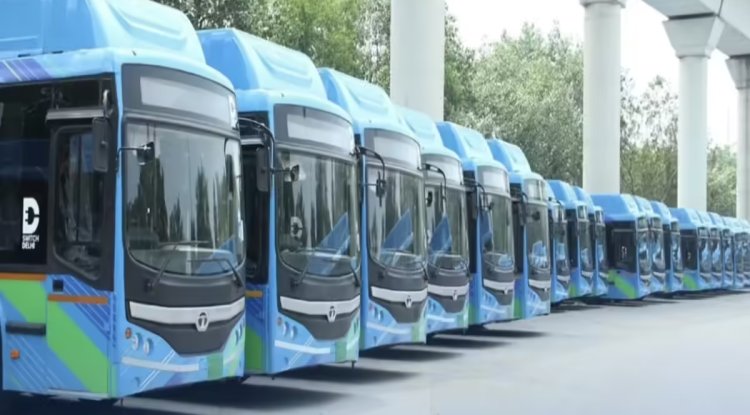
Electric buses are becoming a larger part of Delhi's public transport network, bringing changes not only to the vehicles on the road but also to how bus services are managed. As diesel and compressed natural gas (CNG) buses are phased out on some routes, transport agencies are facing new operational requirements associated with battery-powered fleets.
Information reported by a media broadcasting shows that the distance an electric bus can travel on a single charge depends on factors such as traffic conditions, passenger numbers and weather. A 12-metre low-floor electric bus in Delhi generally covers around 200 to 220 kilometres before needing to recharge. For most city routes, this is adequate, although long traffic delays, diversions and extended service hours can reduce the available range.
Summer temperatures can have a noticeable effect on performance. Air-conditioning systems consume additional power during periods of extreme heat, increasing battery usage and reducing the distance buses can travel between charges. This makes charging schedules particularly important during the warmer months.
Power consumption remains a key consideration for operators. ABP Live reported that electric buses use about 1.2 to 1.4 kilowatt-hours (kWh) of electricity per kilometre. When applied across a large fleet, this creates significant electricity demand and requires extensive charging infrastructure.
Bus depots have therefore added charging stations and upgraded electrical equipment to support daily operations. These facilities have become an important part of running electric fleets, alongside maintenance workshops and route management systems.
Most operators use a mix of overnight charging and shorter charging sessions during the day. Buses can return to depots during less busy periods to receive an additional charge before resuming service. This helps operators keep vehicles on the road and maintain scheduled services.
Charging is usually spread across different times of the day rather than concentrating demand into a single period. This allows operators to make better use of available infrastructure and manage electricity demand more effectively.
Delhi's experience highlights the practical considerations involved in operating electric buses at scale. Vehicle range, charging availability, electricity supply and route planning all play a role in daily operations. As more cities add electric buses to their networks, these operational lessons may help guide future planning and infrastructure development.
What's Your Reaction?