


Verra has revised its methane avoidance methodology, adding manure bedding and biofiltration systems while tightening requirements for carbon credit projects in livestock and wastewater sectors.
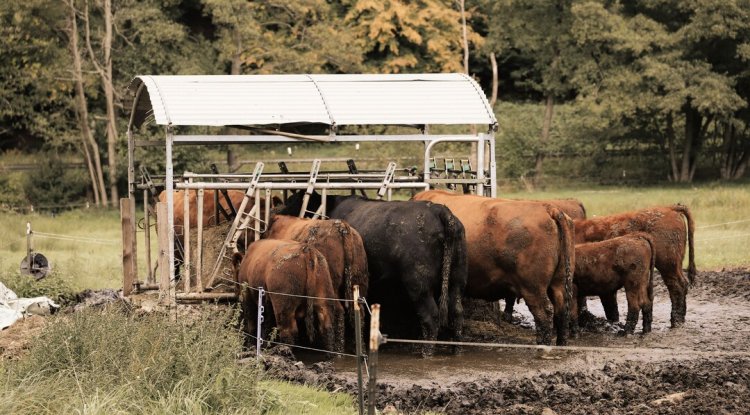
Verra has expanded the scope of its methane avoidance methodology, allowing additional livestock manure and wastewater treatment activities to generate carbon credits under its Verified Carbon Standard (VCS).
The revised methodology introduces new provisions for projects that separate solids from manure and wastewater streams to reduce methane emissions. The update broadens the types of activities eligible under the standard and sets out new accounting requirements for project developers.
Among the changes, separated manure solids can now be used as bedding material in livestock facilities. The methodology includes procedures for accounting for emissions associated with the practice and requirements related to environmental management.
The revision also adds biofiltration technologies, including vermicomposting systems, to the list of eligible activities. These systems can be used to separate solids from wastewater and manure streams before treatment or disposal. The methodology guides calculating emissions reductions generated through their use.
Methane is among the most common types of greenhouse gas emitted during the treatment of manure and wastewater. The issue of reducing such emissions has started to become more common in voluntary market operations dealing with carbon trading, especially in agricultural and waste sectors.
Requirements related to eligibility criteria for projects were also changed by Verra. Project developers are now obliged to use new assessment tools in order to prove additionality and estimate baseline levels of emissions.
During the transition period, the older version of the methodology will be operational until July 2027. The newer methodology should be used by all new projects applying for certification on or after that date. Existing projects will also need to switch to using the revised methodology when starting a new crediting period.
These changes increase the scope of activities eligible for participation in carbon markets while providing new methods for calculating emissions.
What's Your Reaction?

















