Vietnam is pioneering the use of Black Soldier Fly larvae as a sustainable protein source for animal feed, offering a solution to the dual challenges of food waste and the environmental impact of traditional feed production.
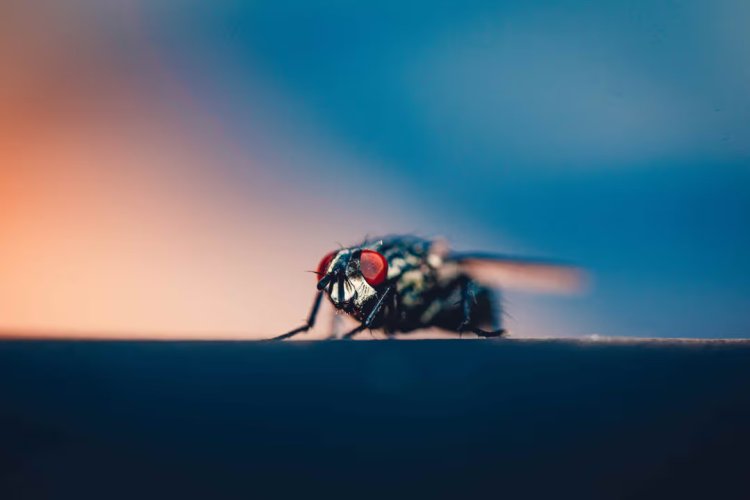
The global hunt for sustainable sources of animal feed has found a promising answer in Vietnam, where the Black Soldier Fly is being used to address two pressing environmental issues simultaneously. This innovative approach involves cultivating the larvae of this non-pest insect to convert organic waste into a high-protein feed component, creating a circular model that reduces both waste and the ecological footprint of agriculture. As pressure mounts on traditional feed sources like soy and fishmeal, this insect-based solution is gaining significant traction among farmers, environmentalists, and investors in the country.
The core of this innovation lies in the remarkable lifecycle of the Black Soldier Fly. The larvae are voracious consumers of organic matter, capable of recycling large volumes of food waste from markets, restaurants, and food processing shops. This consumption isn’t just about waste reduction; it’s a highly effective bioconversion process. The larvae rapidly transform this low-value waste into their own body mass, which is rich in protein and fats. Once harvested, these larvae can be processed into a nutrient-dense meal that serves as an important alternative to conventional protein sources in feed for poultry, pigs, and, most notably, aquaculture — a major industry in Vietnam.
The environmental argument for this system is compelling. Traditional livestock and aquaculture feed production is a primary driver of several ecological problems. The cultivation of soy for feed is a leading cause of deforestation in South America, while the production of fishmeal from wild-caught anchovies and other small fish puts immense pressure on marine ecosystems. Likewise, the transportation of these feed ingredients across the globe generates a substantial carbon footprint. In contrast, a Black Soldier Fly system operates on a hyper-local model. It uses waste that would otherwise emit methane in a landfill and turns it into feed locally, drastically cutting down on transport emissions and land-use change.
For a country like Vietnam, which has a large and growing agricultural sector, the benefits are particularly pronounced. The nation faces significant challenges with food waste management in its urban centres. At the same time, its booming aquaculture industry, a major exporter of shrimp and pangasius, is heavily reliant on imported feed. The Black Soldier Fly model offers a way to enhance national food security by creating a domestic, stable, and affordable source of protein. This reduces the industry’s vulnerability to unpredictable global commodity prices and supply chain disruptions, providing a more resilient foundation for its crucial economic sector.
The practical operation of a Black Soldier Fly farm involves a precisely managed, closed-circle system. It begins with the collection of pre-consumer organic waste, such as fruit and vegetable scraps from wholesale markets or by-products from food factories. This waste is then pasteurised to eliminate pathogens before being fed to the larvae in controlled bioconversion units. The larvae consume the waste for several days before they are harvested. A portion is allowed to develop into flies to ensure a continuous breeding cycle, while the rest are processed. They are dried and milled into a protein-rich powder or pressed to extract valuable oils.
The output of this process is a high-quality feed component. Black Soldier Fly meal generally contains up to 60% protein, along with a favourable amino acid profile and healthy fats. For fish farmers, this is a particularly attractive proposition, as the nutritional content is well-suited for numerous farmed species. Early adopters in Vietnam’s aquaculture industry have reported positive results, including improved growth rates and reduced feed conversion ratios, meaning less feed is needed to produce a kilogram of fish. This not only lowers costs but also further minimises the environmental impact of farming.
Beyond the protein, the process itself yields other valuable by-products, enhancing its circular credentials. The material left behind after the larvae have finished feeding, known as frass, is a nutrient-rich fertiliser. This digestate can be sold to crop farmers, closing the nutrient cycle and reducing the need for synthetic fertilisers. This creates an additional profit stream for farms and provides a sustainable soil amendment for agriculture, demonstrating a holistic approach to resource recovery where nothing is wasted.
Despite the clear potential, the sector faces challenges on the path to mainstream adoption. Scaling up production to meet the massive demand of Vietnam’s feed industry requires significant investment in infrastructure and technology. Likewise, regulatory frameworks for the use of insects in animal feed are still being developed in many markets, including within Southeast Asia. Consumer perception, particularly from international markets that import Vietnamese seafood, is another factor that producers must navigate, though acceptance is growing as the sustainability benefits become more widely understood.
In conclusion, Vietnam’s embrace of the Black Soldier Fly represents a realistic and innovative shift towards a more circular and resilient food system. By turning a waste problem into a valuable resource, this model addresses critical environmental issues while strengthening an important economic sector. As technology improves and scale increases, this insect-based solution has the potential to significantly alter the landscape of sustainable agriculture — not just in Vietnam, but as a model for other nations facing similar challenges. It stands as a powerful example of how working with natural processes can provide effective answers to some of the most complex problems in modern food production.
What's Your Reaction?