Unscientific soapstone mining in Bageshwar, Uttarakhand, destabilises Himalayan slopes, threatens villages, and disrupts water sources, prompting a mining ban and calls for sustainable reforms.
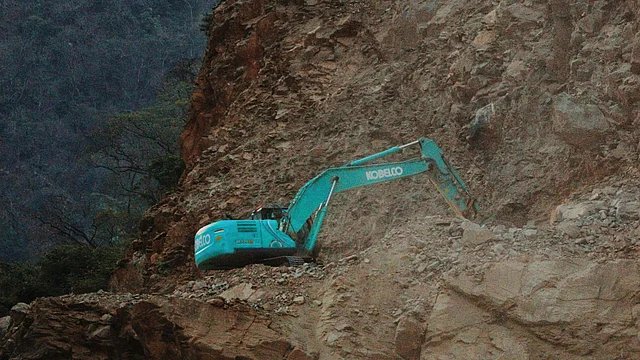
Unregulated mining in Uttarakhand’s Bageshwar district is causing severe ecological damage, destabilising slopes, and endangering villages, prompting calls for urgent reforms.
Bageshwar, located in the fragile Himalayan region, faces significant environmental risks from unscientific soapstone mining. A government panel’s report, submitted to the National Green Tribunal on 30 July 2025, highlighted that mining practices across 61 sites in Bageshwar, Kanda, and Dugnakuri tehsils are destabilising slopes, leading to landslides, cracks in houses, and crop losses. The district, rich in soapstone used for paints, cosmetics, and construction, lies in seismic zone V, making it highly prone to earthquakes. Unregulated mining amplifies this vulnerability, threatening lives and livelihoods.
The panel, comprising experts from the Geological Survey of India and other institutions, found that most mines use steep vertical cuts without proper benches, increasing landslide risks. Haphazard debris disposal into streams has disrupted drainage, causing waterlogging and groundwater contamination. Springs critical for drinking water and irrigation have dried up in several villages. Reclamation efforts are superficial, lacking measures for long-term slope stability or ecological restoration. Satellite data confirmed land deformation around mines, indicating subsidence risks.
Local residents have reported severe impacts, including cracks in homes and temples, such as the historic Kalika Temple in Kanda, and damage to traditional Kumaoni Bakhli houses. These issues echo the 2022 Joshimath subsidence crisis, highlighting a pattern of mining-related environmental harm in Uttarakhand. The Uttarakhand High Court halted all mining activities on 6 January 2025, citing “shocking” findings of lawlessness and environmental damage. The court also ruled that mining companies, not public funds, must compensate affected villagers.
The panel recommended sustainable mining practices, including controlled blasting, proper drainage, and slope stabilisation. It urged the creation of a geo-referenced database to track lease boundaries and prevent encroachments, alongside aquifer mapping to assess groundwater impacts. Regular inspections and stricter oversight are needed to enforce compliance. While riverbed mining poses less risk if regulated, in-situ mining in Bageshwar requires extreme caution due to seismic sensitivity.
The approval of new mines, such as two large soapstone projects in Karmi village, has sparked protests over fears of further forest and slope damage. Villagers and activists question the legitimacy of approvals, alleging violations like unauthorised heavy machinery use. The Supreme Court upheld the mining ban on 31 January 2025, reinforcing the need for environmental safeguards. These developments underscore the urgency of balancing economic gains with ecological protection in Bageshwar.
In conclusion, unscientific mining in Bageshwar threatens the Himalayan ecosystem and local communities. Urgent reforms, stricter monitoring, and sustainable practices are essential to prevent further environmental degradation and ensure safety in this seismically vulnerable region.
Source: Outlook Business
What's Your Reaction?