China drives record solar capacity growth, leading global renewable energy expansion and clean power adoption.
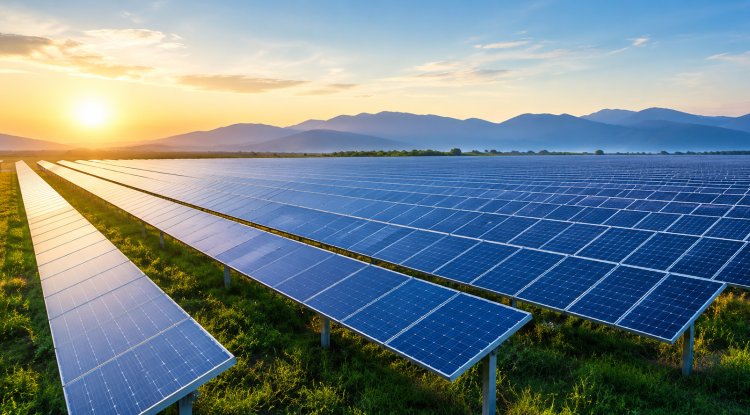
China has strengthened its position as the world’s top solar energy powerhouse, driving a record expansion of global renewable electricity generation in 2025. The country’s swift deployment of solar infrastructure has surpassed that of every other nation, solidifying its role at the center of the global clean energy transition.
Recent energy assessments show that China added more new solar-generated electricity in 2025 than the rest of the world combined. This accomplishment highlights the country’s leadership in renewable energy, solar power growth, clean energy transition, photovoltaic installations, and global electricity generation. These changes have reshaped the international energy landscape and sped up efforts to reduce fossil fuel reliance.
China's progress results from years of steady investment in renewable technologies, manufacturing capabilities, and large-scale energy projects. As other nations seek affordable and low-carbon energy solutions, China has emerged as the main supplier of solar equipment while also rapidly increasing its domestic solar generation capacity.
Record-Breaking Growth in Solar Capacity
China’s solar industry reached a historic milestone in 2025 as installed photovoltaic capacity surpassed one terawatt. The country continued adding new projects in utility-scale solar farms, industrial setups, and rooftop systems, helping it keep a substantial lead over other major renewable energy markets.
Industry data indicates that China installed more than half of all new solar capacity added globally that year. Vast solar projects in desert areas and western provinces have significantly contributed to this growth, while rooftop systems have rapidly expanded in both urban and rural regions.
This swift development has allowed solar energy to increasingly contribute to meeting higher electricity demand. China’s renewable generation has reduced the need for extra fossil fuel-based power generation, supporting national climate and energy security goals.
Solar Power Drives Global Energy Transition
China’s solar expansion has affected areas far beyond its borders. Analysts point out that the country’s renewable energy deployment was crucial for global clean electricity growth in 2025. Solar energy became one of the fastest-growing power sources worldwide, playing a key role in meeting new electricity demand.
Renewable energy sources combined reached an important milestone by increasing their share in the global electricity mix. The growth of solar generation, heavily backed by China’s investments, has quickened the shift away from traditional fossil-fuel-based electricity systems.
Experts suggest that continued growth in solar deployment is vital for nations aiming to achieve climate targets while ensuring energy affordability and security. China’s ability to quickly scale renewable infrastructure has become a model that policymakers and energy companies worldwide closely observe.
Manufacturing Dominance Strengthens Leadership
A key factor behind China’s solar success is its dominance in the photovoltaic manufacturing supply chain. Chinese companies control large portions of global production for polysilicon, wafers, solar cells, and modules, facilitating large-scale deployment at competitive prices.
The country’s manufacturing strength has allowed domestic developers to obtain affordable equipment while supplying international markets. Chinese firms remain the leading exporters of solar technologies, aiding renewable energy projects in Asia, Africa, the Middle East, and Europe.
This manufacturing ecosystem has also fostered continuous innovation in solar technologies, with companies heavily investing in improving efficiency and cutting production costs. These advancements are expected to support further growth in solar installations in the coming years.
Challenges Beneath the Success Story
Despite its accomplishments, China’s solar sector faces challenges. Fast expansion has led to manufacturing overcapacity, resulting in intense competition and pressure on profit margins. Industry players are increasingly looking into consolidation measures to tackle supply-demand issues and ensure long-term sustainability.
Grid integration remains a critical concern. As solar and wind generation continues to rise, investments in energy storage, transmission infrastructure, and grid modernization will be essential to maximize renewable electricity use.
Additionally, geopolitical issues and trade restrictions in some markets might pose challenges for Chinese solar exports. Nevertheless, analysts believe strong domestic demand and ongoing technological improvement will help the sector maintain its momentum.
Outlook for the Global Solar Industry
Looking forward, China is expected to remain the leading force shaping the future of solar energy. Ongoing investments in renewable infrastructure, manufacturing, and grid technologies will likely support further growth, though increases may slow compared to the remarkable levels of recent years.
As the world speeds up efforts to reduce carbon emissions in energy systems, China’s leadership in solar deployment and manufacturing will continue to impact technology costs, supply chains, and renewable energy adoption globally. The country’s achievements in 2025 mark an important chapter in the global shift toward cleaner and more sustainable electricity generation.
What's Your Reaction?